

Front Edge Profiles Compared
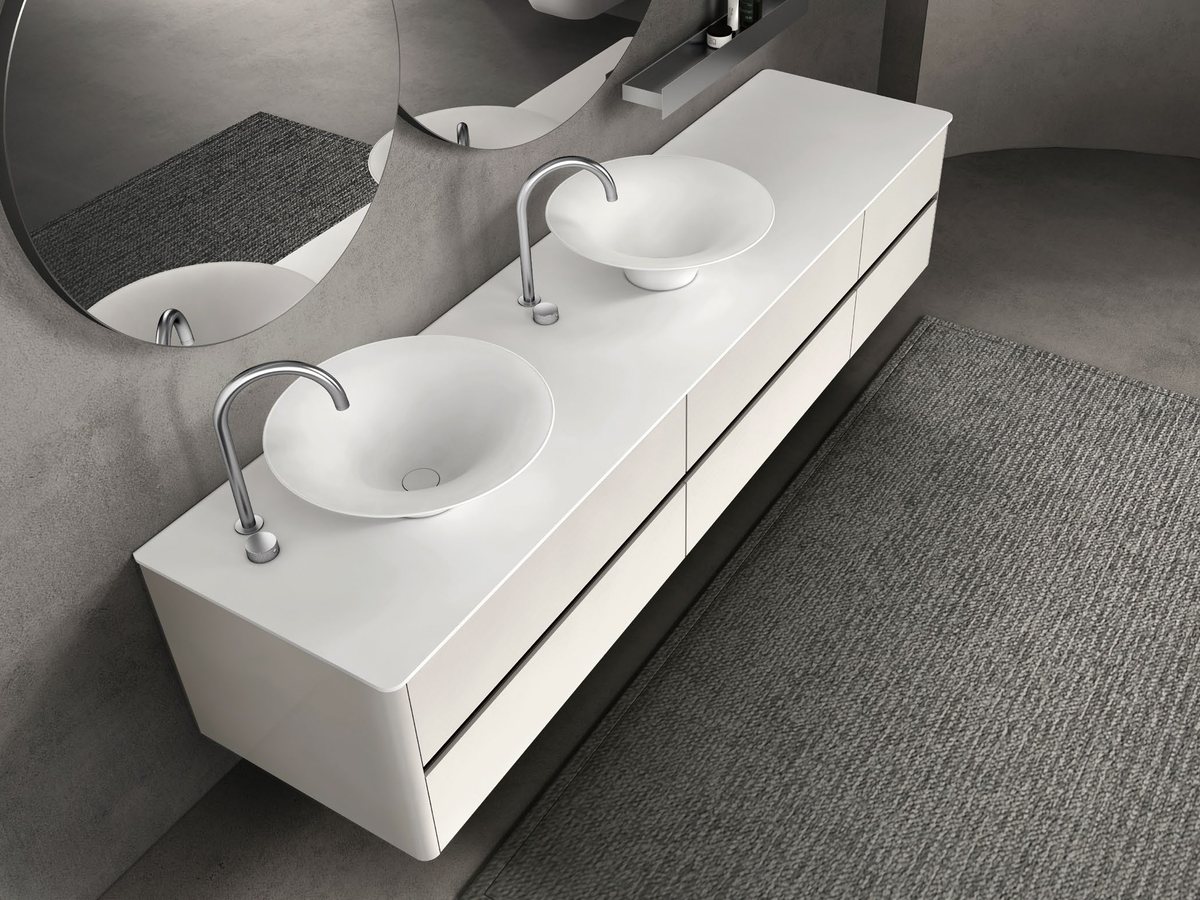
An eased or pencil-round edge is a square edge with its sharp corner softened to a small radius. It reads as crisp, wipes in a single pass, and a small chip on it is far less visible than on a truly square edge. A bullnose is a full half-round, and a half-bullnose rounds only the top corner; both shed water and residue and are forgiving of knocks, which is why they appear so often in hospitality. A bevel replaces the corner with a flat chamfer — easy to clean, though the two arrises can show wear over time. An ogee is an S-curve with a concave section in it, and that concave section is where residue and cleaning-product film settle; it is a decorative profile, better suited to a private residence than a room cleaned daily.
A mitered or waterfall edge, where the top turns down the side of the cabinet in the same material, looks seamless but is made with a bonded joint at the corner. In solid surface that joint can be made effectively invisible; in stone it is a filled seam that has to be kept clean and intact.
- Eased / pencil-round: crisp, one-pass cleaning, hides small chips
- Bullnose / half-bullnose: rounded, forgiving, common in hospitality
- Bevel: easy to clean, arrises can show wear
- Ogee: decorative, concave section collects residue — better for residential use
- Mitered / waterfall: seamless look, depends on a bonded corner joint
Upstands and Basin Junctions
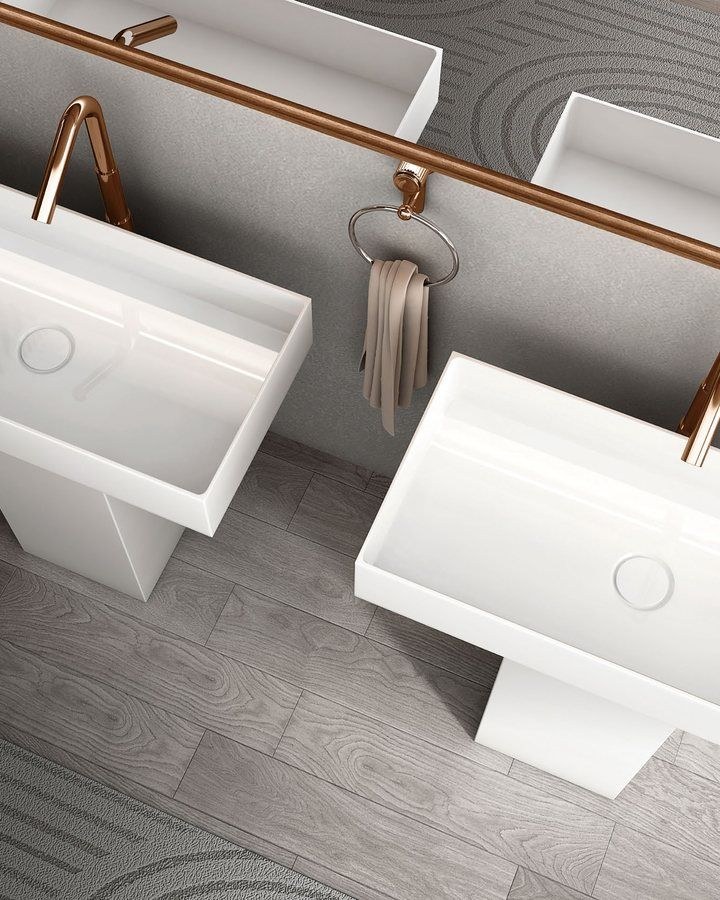
The front edge is the visible decision; the wall and basin junctions are the ones that actually generate maintenance calls. A separate upstand or a tiled wall meeting the top leaves a silicone joint that has to be cleaned around and eventually cut out and replaced. An integral coved upstand — the top curving up into the wall return in one piece — removes that joint entirely, and it is one of the quiet advantages of a material that can be formed rather than only cut. The same logic applies at the basin: a drop-in or undermount basin creates a seam around the rim, while an integrated basin formed as part of the top has none.
- Integral coved upstand removes the wall-junction silicone seam
- Integrated basin removes the top-to-basin seam
- Fewer seams means fewer places to discolor, fail or regrout
Specifying for Housekeeping

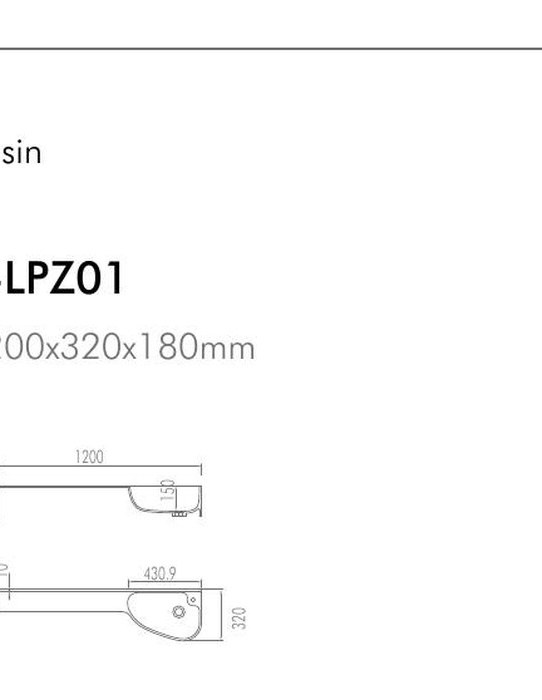
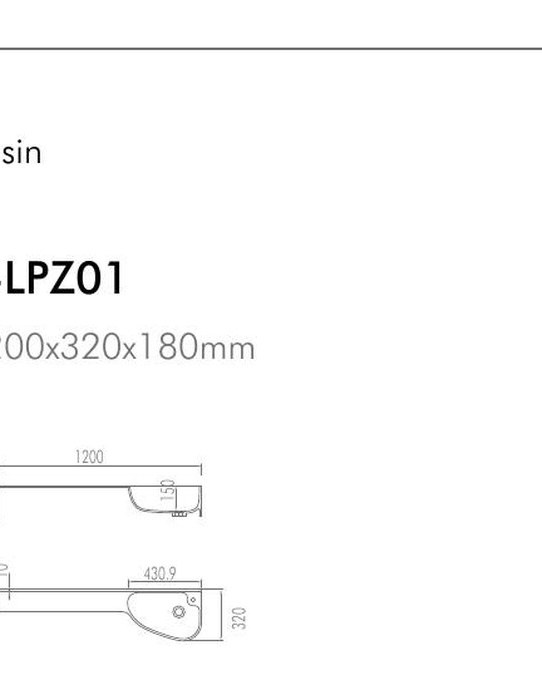
Write the profile, the upstand detail and the basin junction into the specification as one item, with the housekeeping method in mind. Ask what cleaning chemicals the property uses and confirm the surface is compatible with them; a profile that cleans well does not help if the surface itself dulls under the product used on it. Ask whether the edge can be refinished on site — solid surface generally can be sanded and re-polished, which matters over a ten-year life. And confirm the drawing shows the edge and upstand dimensions, so what arrives matches what housekeeping was trained for.
- Specify edge, upstand and basin junction together
- Confirm surface compatibility with the property's cleaning chemicals
- Ask whether the edge can be refinished on site
- Have the edge and upstand dimensioned on the approved drawing