From closed position to swing
Are hinge overlay and opening angle the same thing?
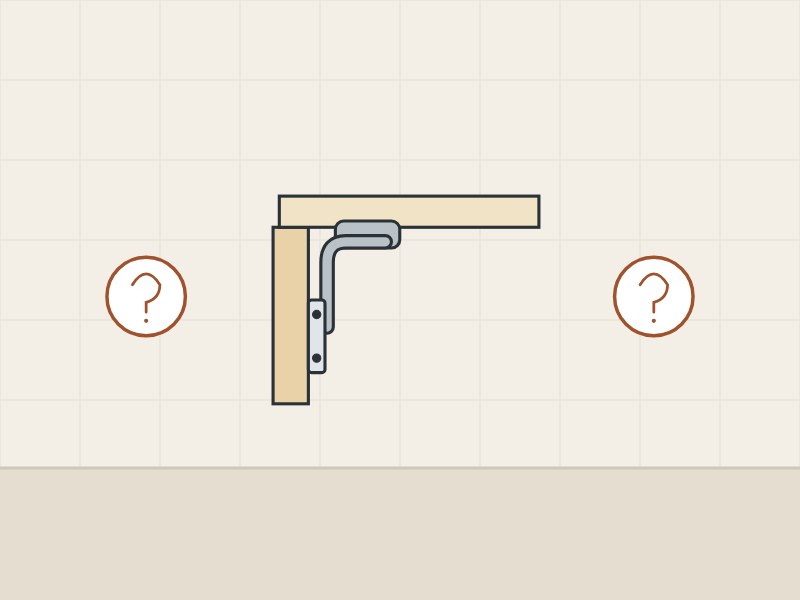
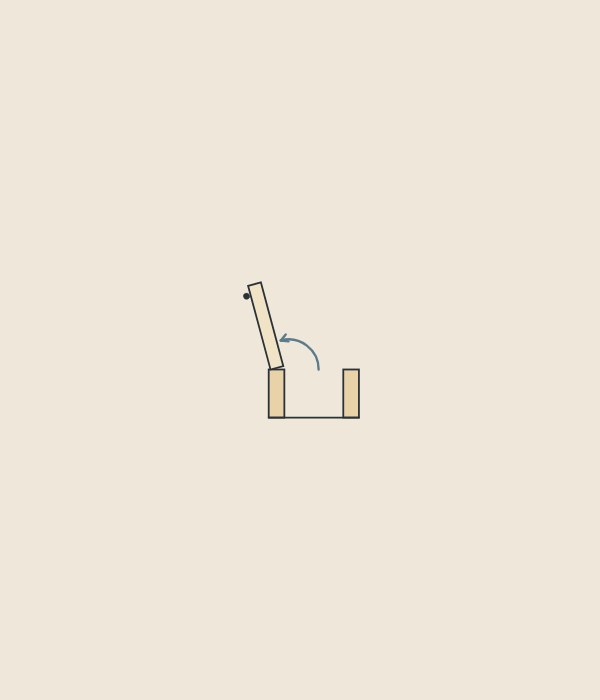
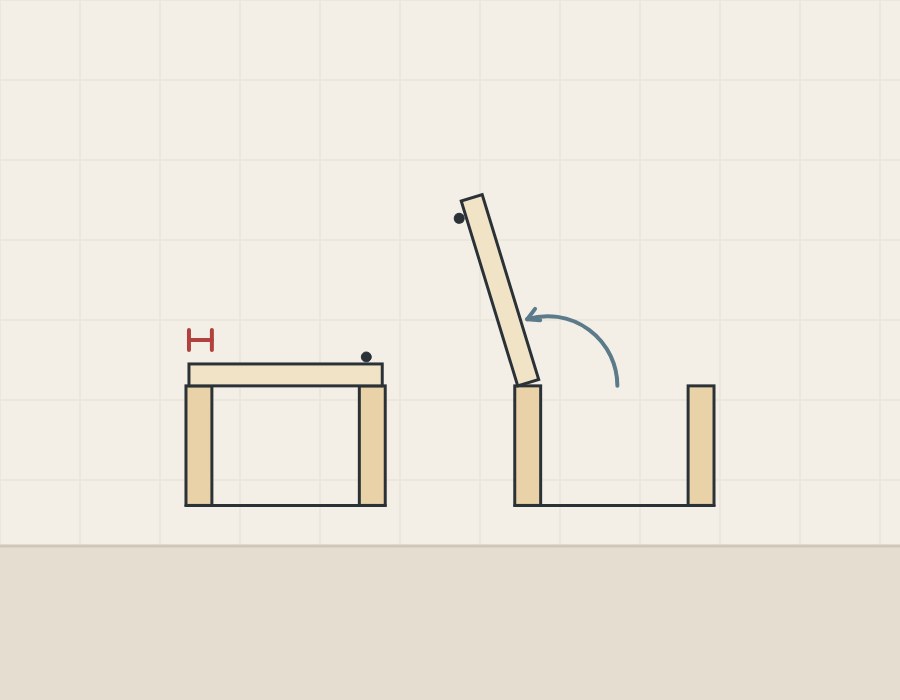
No. Hettich’s Sensys catalog defines overlay as the projection of the door in front of the cabinet side, a length it calls A in its plate formula; opening angle is the swing in degrees, which Blum states for each hinge.
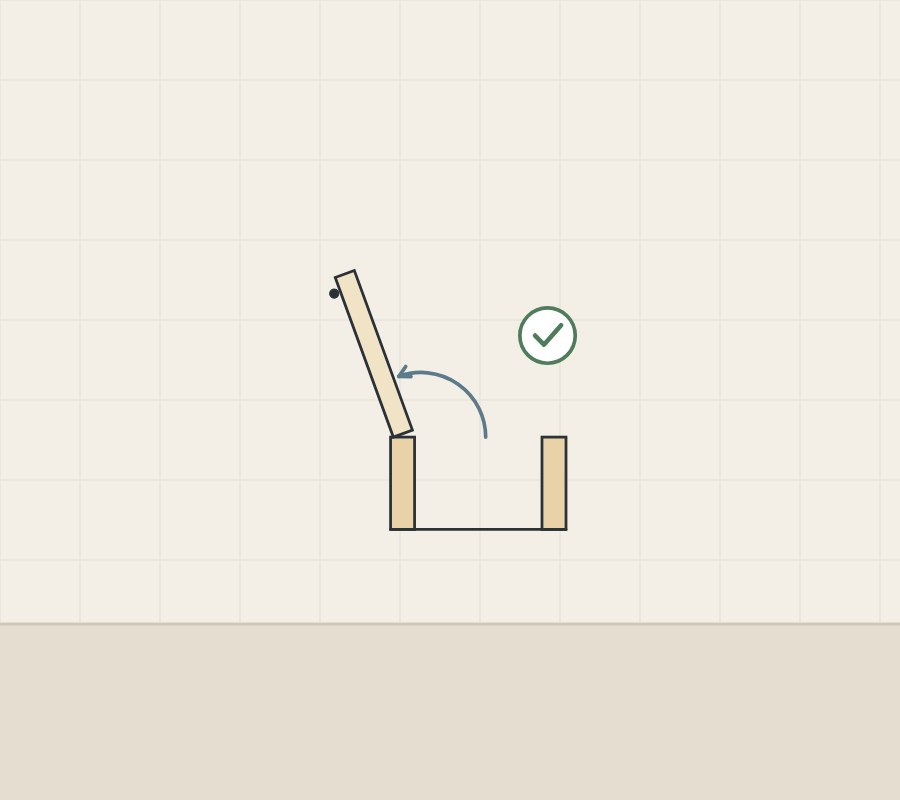
Blum describes COMPACT CLIP as a concealed hinge for face frame cabinets. Its partial overlay hinge opens 105°, and its two full overlay hinges open 107° and 110°.
| Term | How a named maker uses it |
|---|---|
| Full overlay | Hettich Sensys: base B 12.5 mm. Salice Series 200: A crank, 0 mm. |
| Half overlay | Hettich Sensys: base B 3 mm. Salice Series 200: G crank, 9 mm. |
| Inset | Hettich Sensys: base B −4 mm. Salice Series 200 110°: P crank, 17 mm. |
| Mounting plate | Hettich Sensys: plates at distances of 0, 1.5, 3 and 5 mm. |
| Opening angle stop | Blum: an added part that restricts its CLIP top BLUMOTION 110° hinge to 86°. |
Can one overlay come with several opening angles?
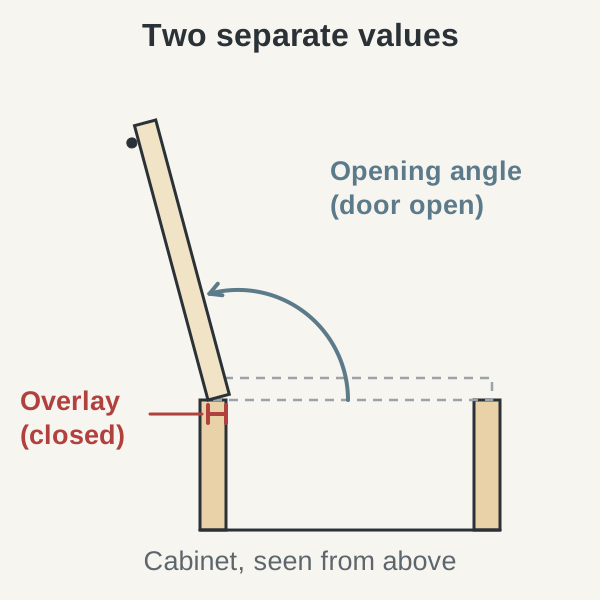
Yes. Blum lists full overlay COMPACT CLIP hinges at 107° and at 110°. Salice lists a full overlay A crank on its Series 200 hinge at 110° and again at 120°. This guide reads a hinge offer in this order:
- Cabinet type: face frame or frameless.
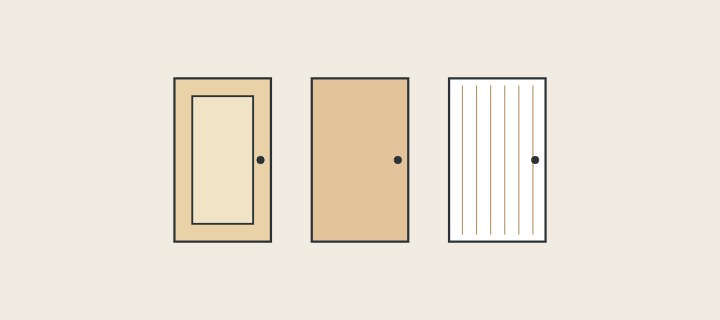
- Door arrangement: full overlay, half overlay or inset.
- Opening angle of the hinge.
- Door thickness the hinge accepts.
- Mounting plate that goes with the hinge.
- Any accessory, such as an opening angle stop.
Blum says its CLIP top hinges serve frameless and face frame cabinets with different mounting plates, so the cabinet type comes first.
What sets the overlay on a concealed hinge?
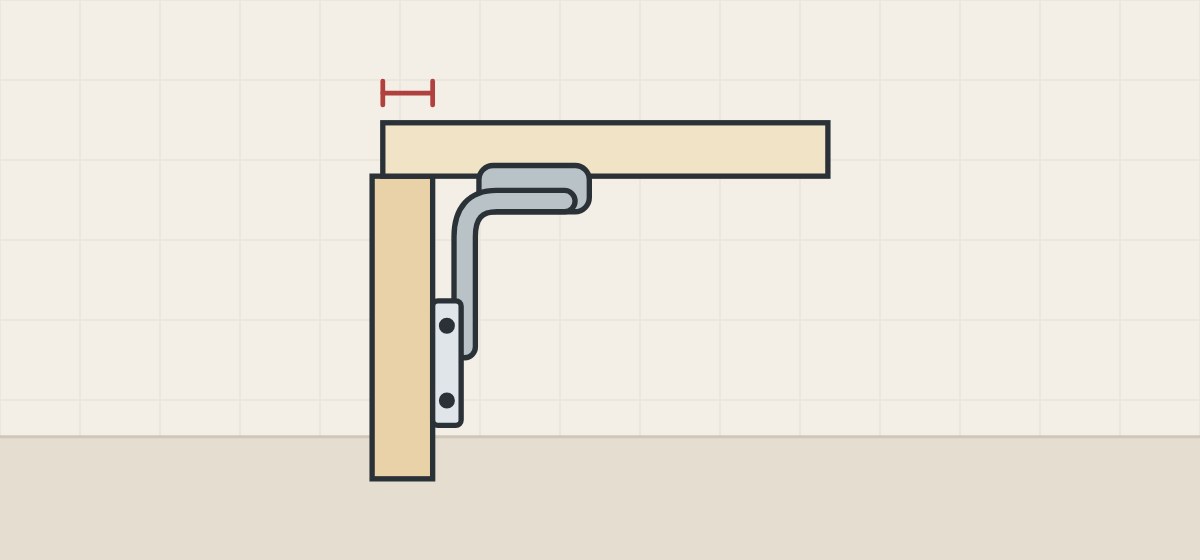
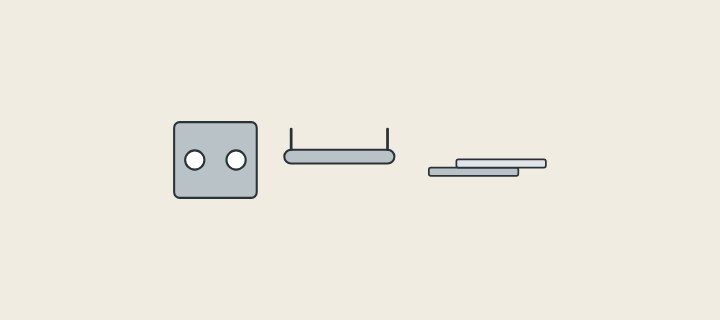
The hinge arm, the cup position on the door and the mounting plate set it together. Hettich’s Sensys catalog gives the plate distance for full and half overlay doors as cup distance plus a base value minus the overlay.
| Factor | What the named source shows |
|---|---|
| Hinge arm | Hettich Sensys base B: 12.5 mm full overlay, 3 mm half overlay, −4 mm inset. |
| Arm crank | Salice Series 200 110°: A, D, G and P cranks of 0, 5, 9 and 17 mm. |
| Cup position | Salice Series 200 110°: drilling distance K from 3 to 6 mm. |
| Mounting plate | Hettich Sensys: distances of 0, 1.5, 3 and 5 mm. |
| Plate formula | Salice Universal hinges: formulas for the hinge arm, drilling distance K and mounting plate height H. |
| Adjustment | Hettich Sensys: integrated overlay adjustment of ±2 mm. |
Salice names the mounting plates its Series 200 110° hinge accepts, so treat hinge and plate as one pair.
Which opening angles do hinge makers list?
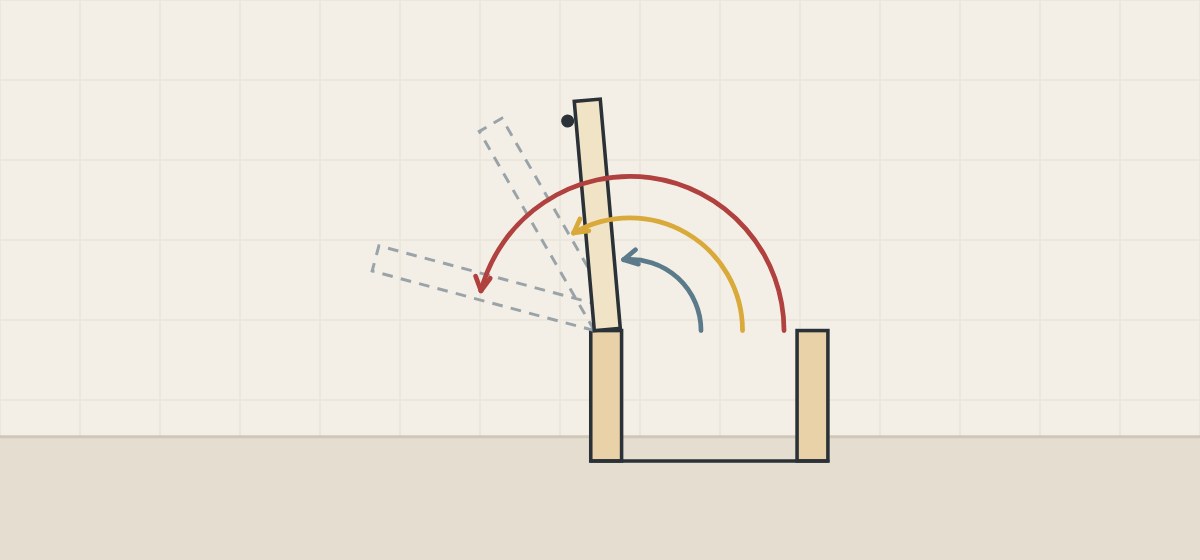
The named ranges below list opening angles from 94° to 170°. Each angle belongs to the hinge named.
| Maker and range | Angles listed | Maker’s note |
|---|---|---|
| Blum COMPACT CLIP | 105°, 107°, 110° | For face frame cabinets. |
| Blum CLIP top | 107°, 110°, 120°, 170° | Hinges for standard applications. |
| Blum CLIP top 155° | 155° | Special applications; nil protrusion. |
| Salice Series 200 | 94°, 110°, 120°, 155°, 165° | 94° is a thicker-door hinge. |
| Hettich Sensys 8645i | 110° | Door thickness 15–22 mm. |
| Hettich Intermat 9956 | 165° | No door protrusion at 0 mm distance. |
A larger angle is not automatically the better choice. Blum offers opening angle stops for doors that would otherwise collide with an adjacent wall or cabinet.
How can the opening angle be reduced?
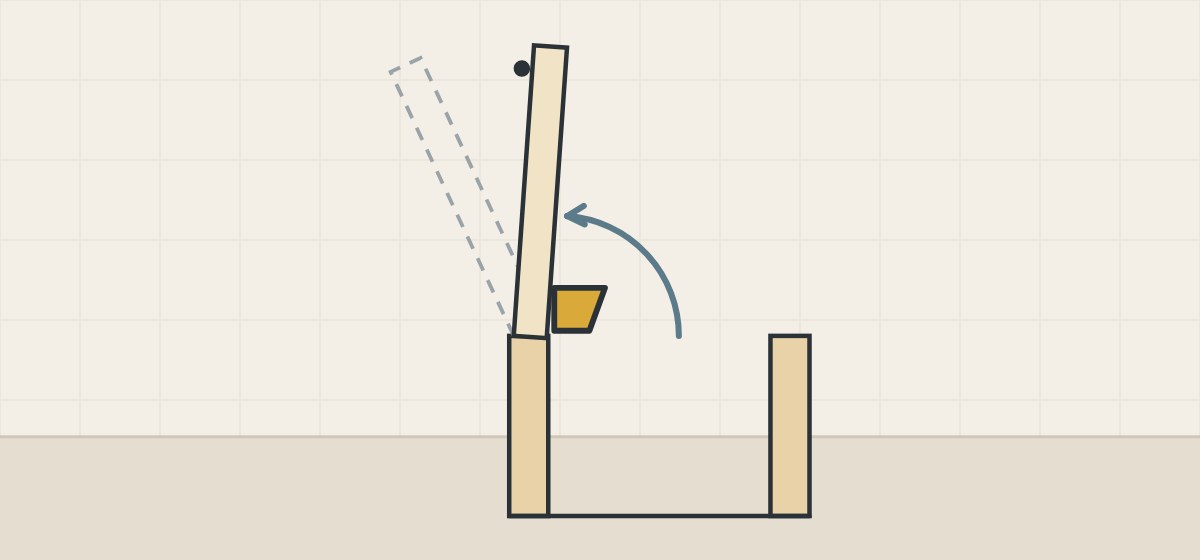
The three makers each list a stop or limiter that reduces the opening angle. Four examples, then what to record:
Blum 110° and 107° hinges
Blum’s stop page gives one stop for its CLIP top BLUMOTION 110° hinges and another for its 107° hinges; each restricts opening to 86°. Blum says to fit one on all hinges in the piece of furniture.
Blum 155° hinge
Blum lists two stops for its 155° hinge: one limits opening to 92°, the other to 110°. Both clip on to the outer arm of the hinge.
Salice Universal hinges
The Salice catalog lists a stop device that limits the opening angle to 90°.
Hettich Sensys
The Sensys catalog lists an opening angle limiter that takes the 8645i from 110° to 85°.
What to record
This guide suggests recording three things for any stop:
- The stop’s part number, next to the hinge it fits
- The opening angle that results
- The number of stops per door
Will the open door clear a wall, a handle or an inner drawer?
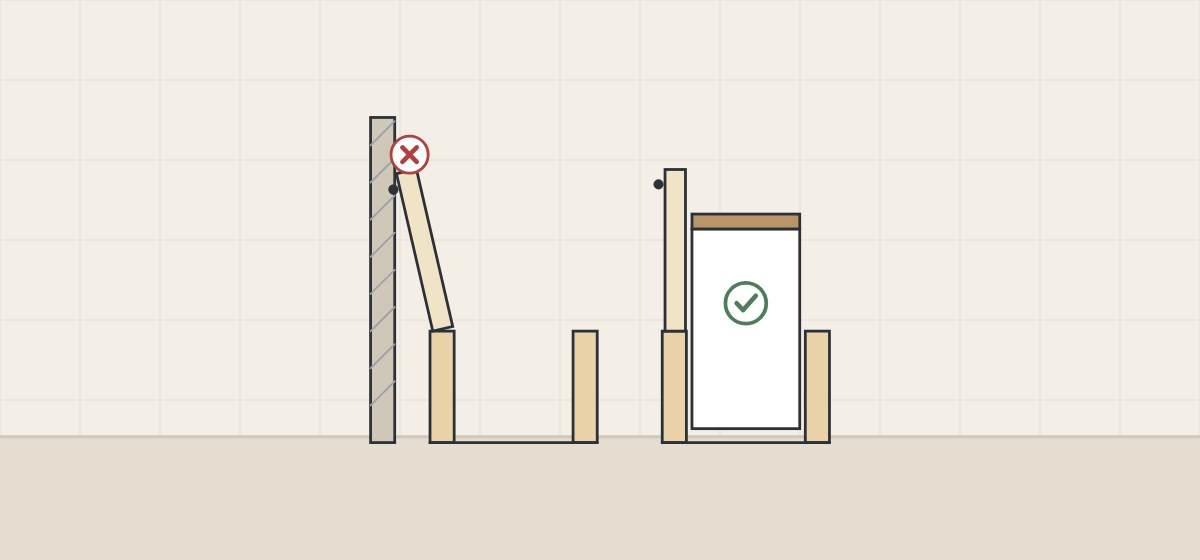
A stated opening angle does not answer that. The makers treat each obstruction separately. Four cases:
Walls and cabinets
Blum says doors can collide with an adjacent wall or cabinet and damage fronts or walls, and offers opening angle stops against this.
Neighboring handles
Blum says the 110° stop for its 155° hinge prevents collision with a neighboring handle.
Inner drawers
Blum calls its CLIP top 155° a nil protrusion hinge for cabinets with inner drawers, and says its 92° stop keeps the drawer from colliding with the door.
Door edge and thickness
Hettich’s minimum reveal tables change with door thickness, cup distance and edge radius. Salice gives a formula for the thickest molded door that opens without obstruction.
Ask for a plan view with the door drawn at its real thickness and full opening beside the actual wall, handle or drawer.
What else must the hinge data cover?
Door thickness, hinge quantity and durability tests are separate data. What the named sources say:
| Topic | What the named source says |
|---|---|
| Door thickness | Salice Series 200 110°: doors of 16–26 mm; its catalog has variants for thicker doors, to 35 mm. |
| Hinges per door | Hettich: the number in its diagram is a guide only. |
| ANSI/BHMA A156.9-2026 | BHMA: operational, cyclical and strength tests for cabinet hardware; 100,000 cycles for a Grade 1 hinge. |
| EN 15570:2008 | SIS: test methods for strength and durability of hinges pivoting on a vertical axis. |
| KCMA door test | KCMA: doors cycled through a full 90-degree swing 25,000 times. |
How should a buyer specify vanity door hinges?
Record the closed position and the movement as separate lines in the hardware schedule. These steps are procurement guidance.
- State the cabinet type. Face frame or frameless; overlay or inset door.
- Fix the closed position. Overlay in millimeters from the drawing datum, not a label alone.
- Describe the door. Thickness, edge profile and any frame detail.
- Name hinge and plate together. Maker, hinge code and its mounting plate.
- State the movement. Required opening, and any stop with its part number.
- Draw the door open. A plan view with the wall, handle or inner drawer.
- Approve on a sample. The sample door, hinge and plate must match production.
When hardware changes
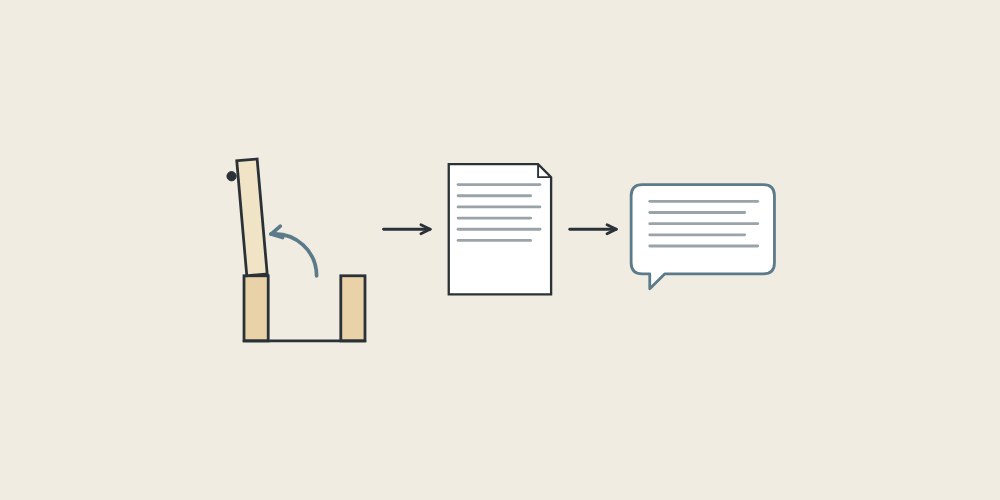
If the hinge, plate, stop or door thickness changes, ask which fit checks must be repeated. A stop agreed by message belongs on the revised schedule.
What should you send and ask before a quotation?
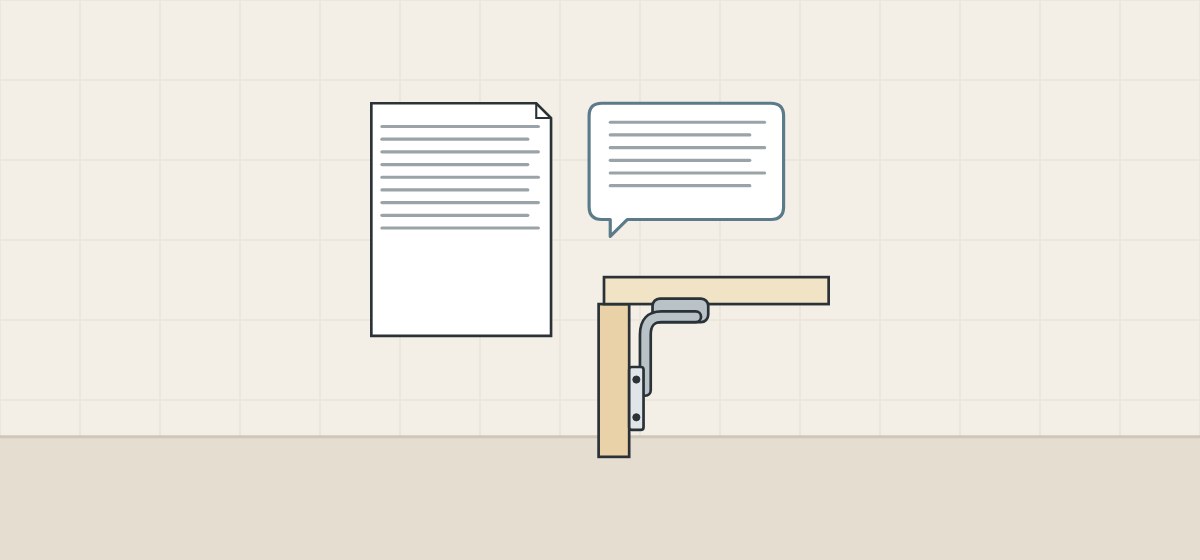
A sample cabinet settles the movement question only if its door, hinge and plate match production. Ask these questions before the sample is built.
| Question | Why it matters |
|---|---|
| Which hinge maker and hinge code? | Angles and cranks belong to named hinges. |
| Which mounting plate? | The plate helps set the overlay. |
| What overlay, in millimeters? | “Full overlay” does not fix the dimension. |
| What opening angle? | One overlay is listed at several angles. |
| Is a stop fitted, and on which hinges? | A stop changes the angle of a named hinge. |
| Does the open door clear inner drawers? | Protrusion depends on the hinge and plate. |
This guide’s list for your request
- Cabinet type and door arrangement
- Door size, thickness and edge profile
- A sketch of anything beside the door
- Inner drawers or pull-outs behind the door
- Required opening at the user position
WNS Global confirms any product and terms it offers separately in writing. This guide does not state that WNS Global products have the features, ratings or listings named above.