
From cure type to data sheet
What is the difference between acid-cure and neutral-cure silicone?
Acid-cure silicone releases acetic acid as it cures; neutral-cure silicone cures by a different chemistry. Sika’s sealant overview says acetoxy silicone gives off gaseous acetic acid when it cures with atmospheric moisture, which causes the vinegar smell.
Sika says alkoxy-curing neutral grades have only a very faint odour or none.
GE Sealants’ FAQ compares its own two lines: acid-cure All Purpose Silicone adheres strongly to glass and ceramic; neutral-cure Advanced Silicone is better for metal, plastic and other sensitive surfaces.
| Term | What the source says |
|---|---|
| Acid cure (acetoxy) | Sika: releases acetic acid while curing. |
| Neutral cure | Sika: the two main types are oxime-curing and alkoxy-curing. |
| Staining | ASTM C1248: an early stain from material leaving the sealant. |
| Porous substrate | ASTM C1248: marble, limestone, sandstone, granite or similar. |
How do you check a sealant against both surfaces?
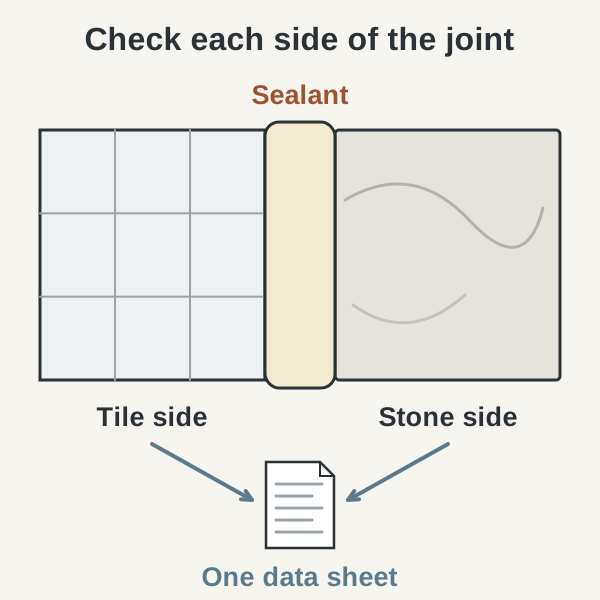
Look up each side of the joint separately in the named product’s data sheet.
- Name the material and finish on each side of the joint.
- Find the cure type in the data sheet.
- Look for each surface among the suitable materials.
- Look for each surface in the limitations.
- Note any primer or activator named for each surface.
- Do any test the data sheet asks for.
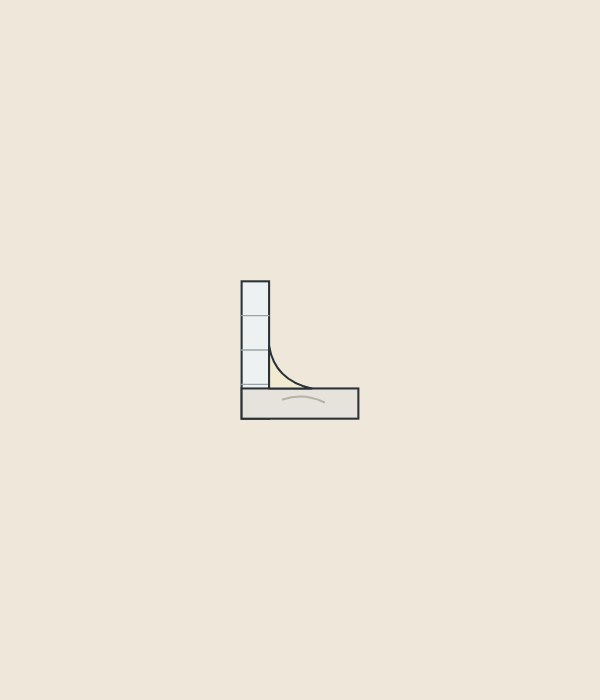
Take a joint between ceramic tile and marble. Bostik’s Kitchen & Bathroom Acetic page lists ceramic tiles among its uses and says the product is not to be used on marble, granite or stone: one side passes, the other fails. GE’s Tub & Tile Silicone 1 data sheet leaves compatibility and adhesion testing on a test joint to the user.
Which surfaces do acid-cure sealants rule out?
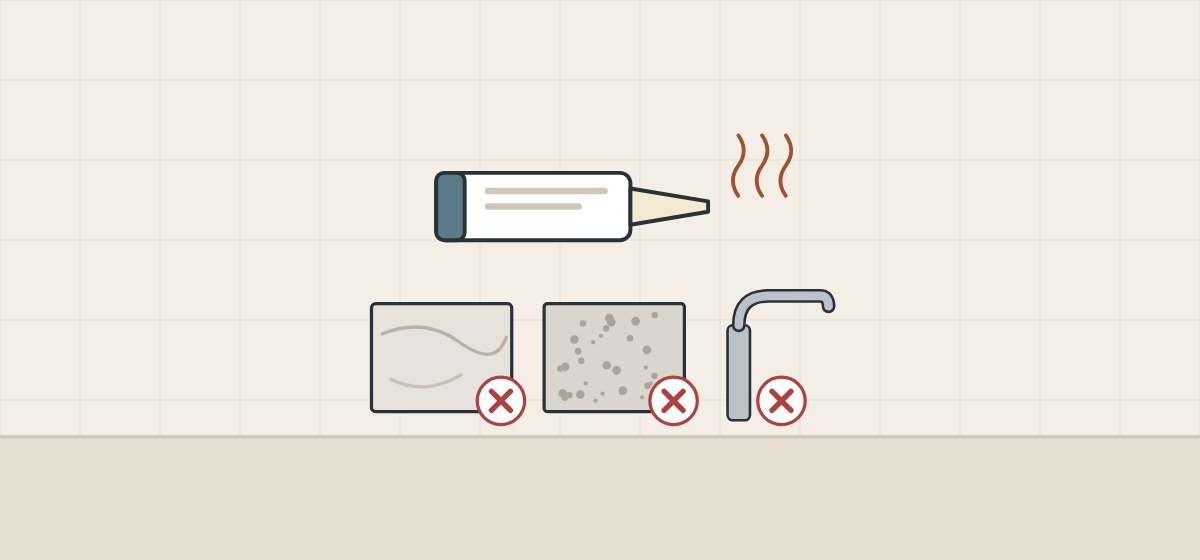
Each acid-cure source cited here names surfaces to avoid.
| Source | Stated limit |
|---|---|
| Sika, on acetoxy silicones in general | Not suitable for alkaline substrates such as concrete, nor for sensitive metals, where Sika cites the risk of rust. |
| Tremco Tremsil 200 | Not for surfaces sensitive to corrosion by acetic acid vapours, a by-product of its cure. |
| Bostik Kitchen & Bathroom Acetic | Not to be used on marble, granite or stone; may discolour copper and brass. |
| GE Tub & Tile Silicone 1 | Not for porous materials such as concrete, limestone and sandstone; not for galvanized surfaces, some metal finishes or mirrors without the article maker’s approval. |
GE’s sheet also lists granite and natural stone among recommended surfaces, with a note to test an inconspicuous area of metal finishes, concrete and natural stone because some blemishing may occur during cure.
Is a neutral-cure silicone safe on natural stone?
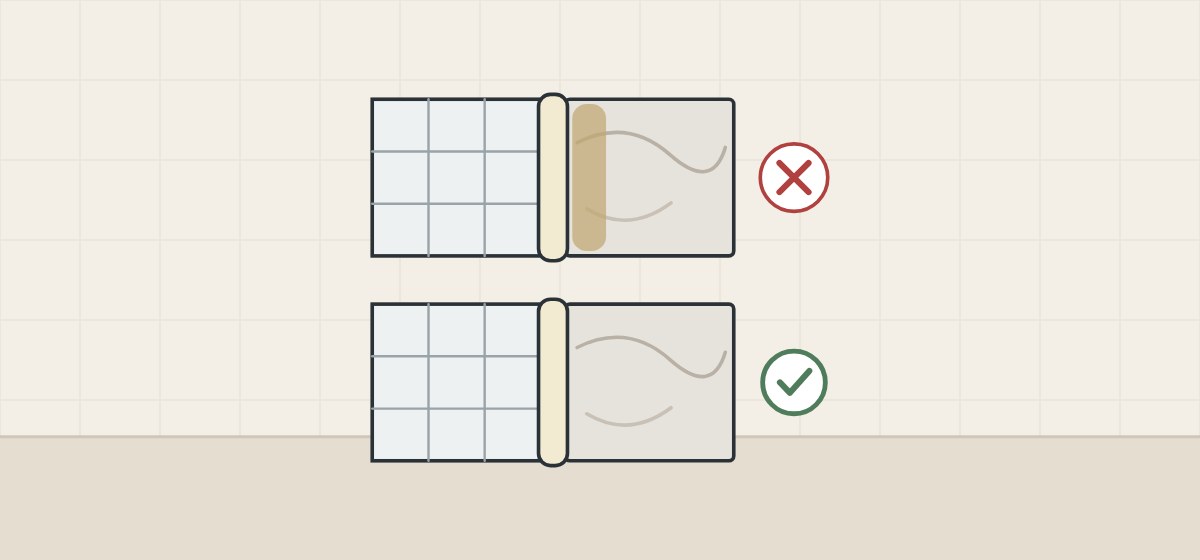
Not on the word neutral alone. The neutral-cure products cited here range from a ban on natural stone to tested non-staining claims.
| Neutral-cure product | Maker’s stone statement |
|---|---|
| Sika SikaSeal Kitchen and Bathroom | Not to be used on natural stone. |
| Soudal All Purpose Silicone | Not to be used on natural stones such as marble and granite, because of staining. |
| Sika Sikasil-755 AP | Non-staining; compatible with “most commercially used natural stone types”. |
| Soudal Silirub MA | Non-staining on natural stone; tested according to ISO 16938-1. |
| Mapei Mapesil LM | For marble, granite, sandstone and quartz; no staining according to ASTM C1248. |
Mapei says conventional neutral or acid sealants often cause discoloration or staining on surfaces sensitive to acids. Name the stone and ask about it.
What do the sealant standards cover?
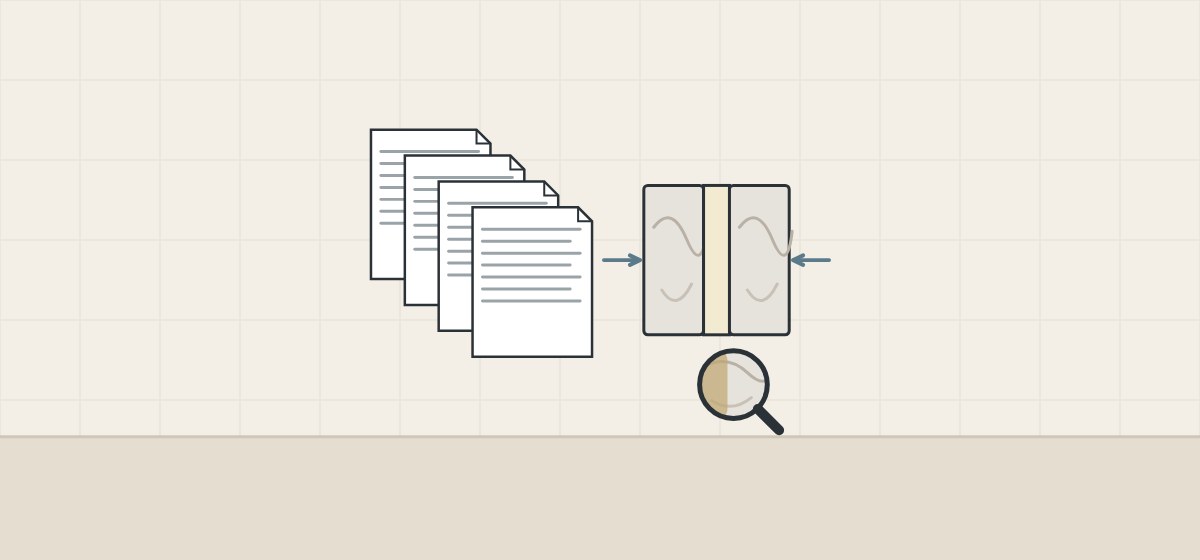
The sources name these standards, mostly without an edition. The editions below are those on the public pages read for this guide:
ASTM C920-18
A specification for cured elastomeric joint sealants on buildings. Per its scope page, sealants are designated by type, grade, class and use. ASTM lists a 2024 reapproval as the current version. Tremco lists Tremsil 200 to ASTM C920, with no edition given, as Type S, Grade NS, Class 25.
ISO 11600:2002
Describes types and classes of building sealants by application and performance, per ISO. Soudal lists Silirub MA as ISO 11600 F+G 25LM, with no edition given.
ASTM C1248-22
Laboratory tests of whether a joint sealant is likely to stain a porous substrate. ASTM notes that passing this accelerated test does not necessarily mean the sealant will not stain over longer periods.
ISO 16938-1:2019
A compression test for early staining of porous substrates. ISO says the result is specific to the tested sealant and substrate and cannot be extended to others.
- Ask for the classification and its edition
- Ask which staining test was run
- Ask which sealant and stone were tested
What else limits where a sealant can go?
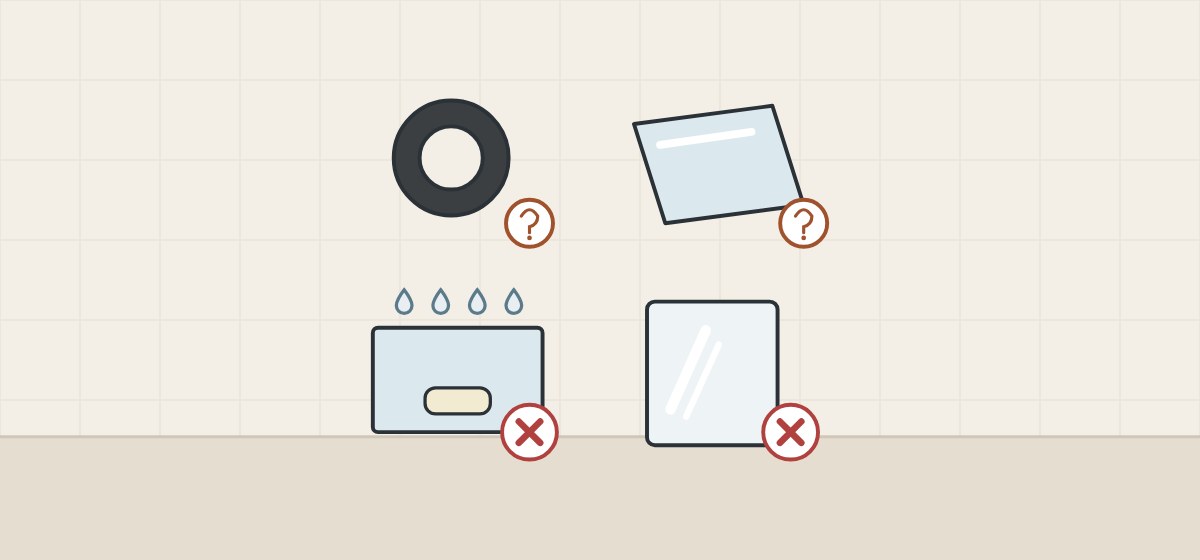
The sources cited here also restrict oily materials, some plastics, continuous immersion and mirror bonding:
Bitumen and rubber
Sika says not to use SikaSeal Kitchen and Bathroom on bituminous substrates, natural rubber or materials that might leach oils. For Mapesil LM, Mapei says migrating oils and plasticisers may affect adhesion and colour.
Plastics
Soudal lists PE, PP and PTFE as unsuitable for All Purpose Silicone and says not to use it on polycarbonate. For SikaSeal Kitchen and Bathroom, Sika asks for a pre-test on pre-stressed polyacrylate and polycarbonate.
Continuous immersion
Tremco says Tremsil 200 is not intended for continuous water immersion. Sika excludes SikaSeal Kitchen and Bathroom from joints under water pressure or permanent immersion.
Mirrors, paint, structure
Soudal says not to use All Purpose Silicone for bonding mirrors. GE rules out Tub & Tile Silicone 1 where the sealant must be painted and for structural repairs.
Acrylic is a different family: Sika describes water-based acrylic sealants as drying by evaporation, with high volume shrinkage.
Does each surface need its own preparation or primer?
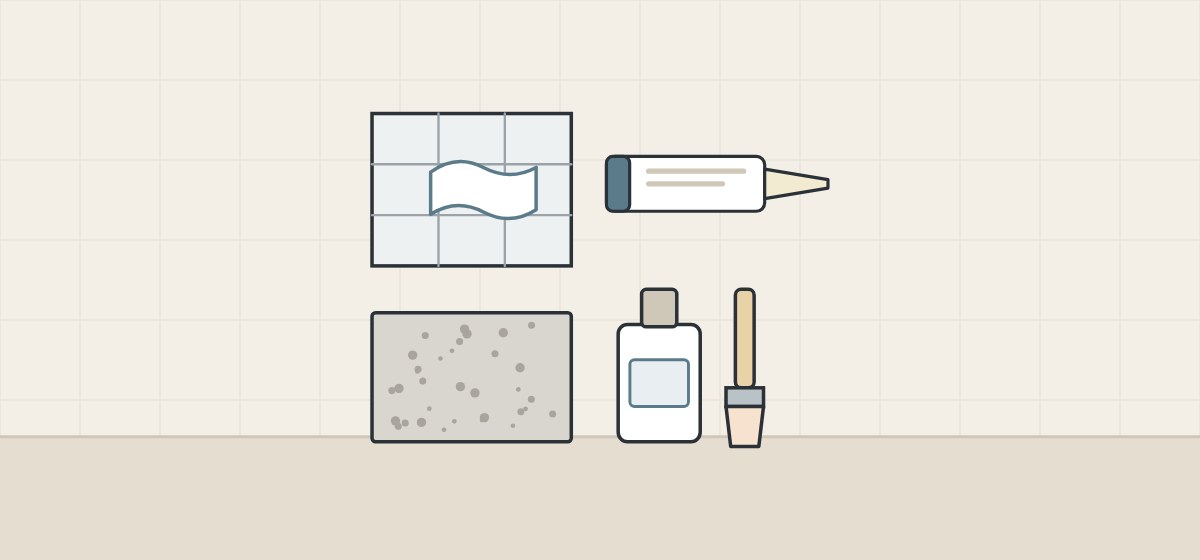
In the sources cited here, yes: preparation differs by surface, and one data sheet rules a primer out on stone.
| Source | What it says |
|---|---|
| Sika Sikasil-755 AP | An activator on aluminium, stainless steel or glazed tiles; a primer on concrete and cement-based substrates; trials on powder-coated metals. Its preparation list does not name natural stone. |
| Soudal Silirub MA | Surface rigid, clean, dry and free of dust and grease; porous surfaces primed. |
| Mapei Mapesil LM | No primer when sealing stone or marble surfaces. |
How should a buyer specify a bathroom sealant?

Specify a named product against both surfaces, not a colour. These steps are procurement guidance.
- Name both surfaces. Material and finish on each side of the joint.
- Say what the joint must do. Location, expected movement, water and cleaning exposure.
- Ask for a named product. Maker, product name and current data sheet.
- Check each surface. Suitable materials, limitations and cure type.
- Ask for stone evidence. A non-staining statement or test for the stone in use.
- Record preparation. Cleaning and any primer, for each surface.
- Keep bonding separate. Mirror fixing and structural repair are not joint sealing.
When a substitute is offered
A colour match does not show compatibility. Two neutral-cure Sika products above carry opposite stone statements, so check a substitute against both surfaces again.
What should you send and ask before a quotation?

Send both surfaces and the joint’s purpose, then ask for the proposed sealant by name.
| Question | Why it matters |
|---|---|
| Which sealant product is proposed? | A description such as sanitary silicone names no data sheet. |
| Is it acid cure or neutral cure? | The acid-cure sources cited here exclude some stone, concrete or metals. |
| Does the data sheet cover both surfaces? | One side can pass while the other fails. |
| What does it say about the stone? | Neutral cure alone is not a stone approval. |
| Which preparation or primer applies? | It can differ by surface. |
| Which test is advised before use? | Some data sheets leave the test to the user. |
Include with your request
- Both surface materials and finishes
- Joint location and purpose
- Expected movement and water exposure
- Cleaning products to be used
- Colour required
WNS Global confirms any offered product and commercial terms separately in writing and does not recommend a sealant in this guide. This guide does not state that WNS Global products have been tested with any sealant named above, or carry any rating, classification or listing named above.