From mold to release decision
What is demolding of a cast bathtub?
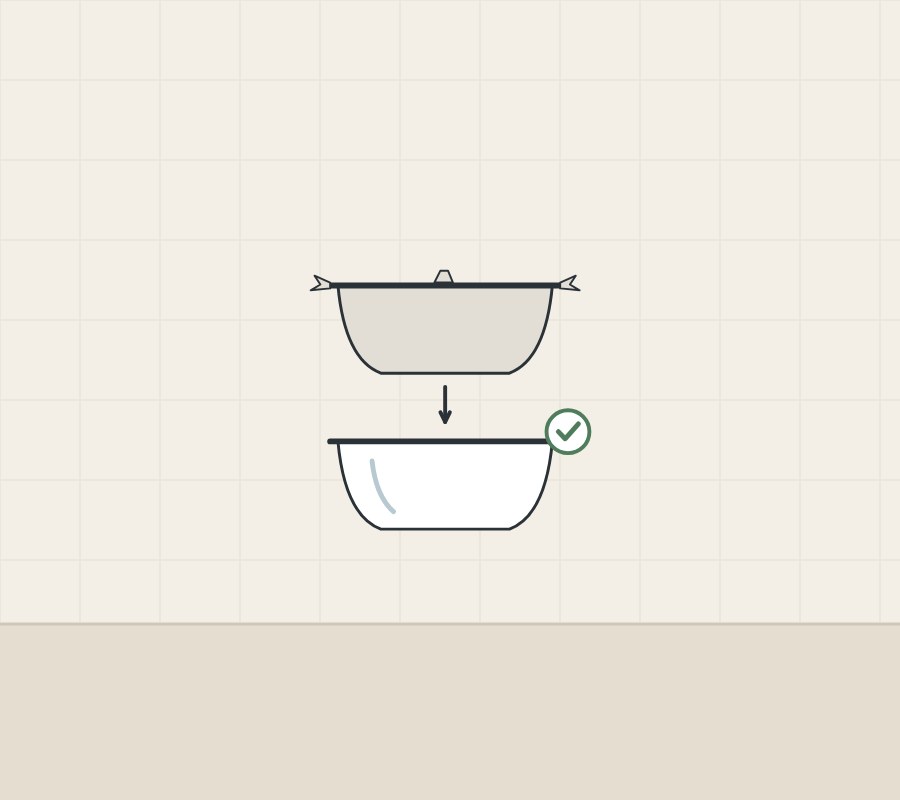
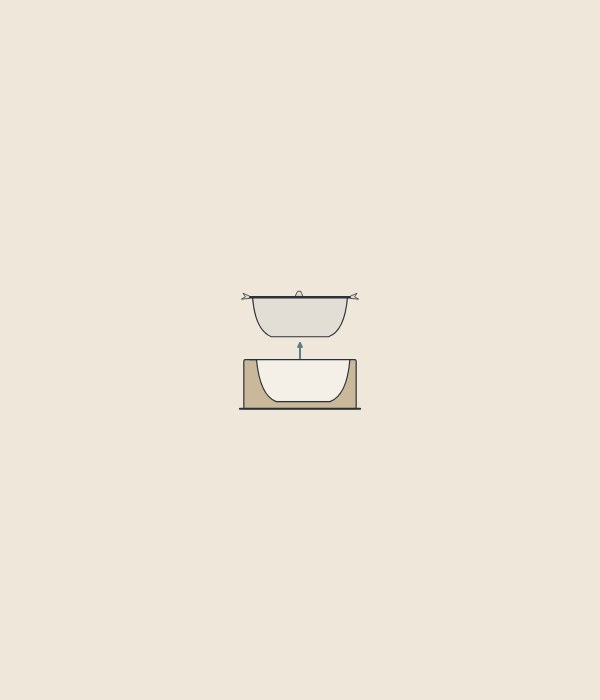
Demolding is the removal of a hardened casting from its mold, before finishing. The ICPA describes a blend of resin, catalyst, fillers and pigments poured into polished molds, hardened by the catalyst’s reaction, then removed, trimmed, ground, polished and inspected for flaws.
That description is of cultured marble, which is cast against a clear gelcoat. The same page says solid surface is made without a surface gelcoat and can be cast into bathtubs, although it is typically made in sheet form.
| Term | What it means |
|---|---|
| Demolding | Removing the hardened casting from the mold. |
| Gelcoat | Per the ICPA, a clear coat on the polished mold for cultured marble. |
| Solid surface | Per the ICPA, made without a surface gelcoat. |
| Finishing | Trimming, grinding and polishing after demolding. |
What happens between the pour and finishing?
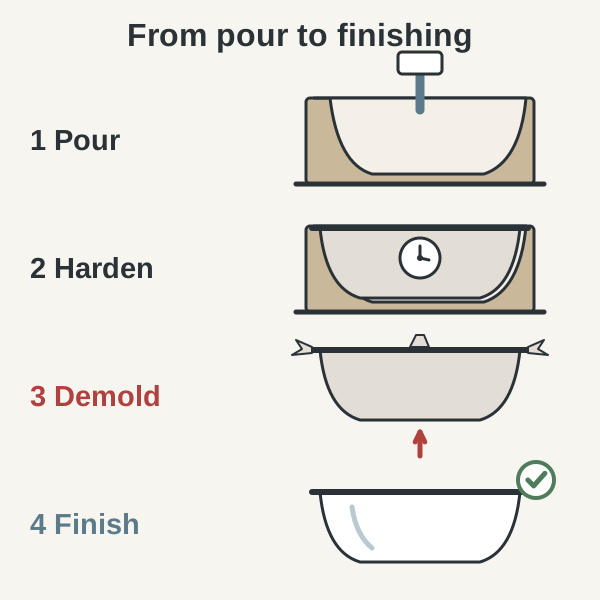
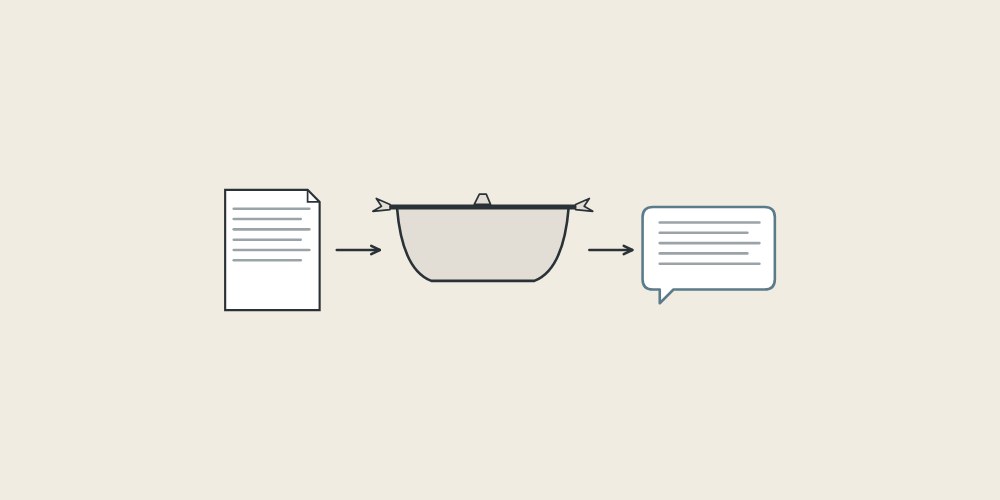
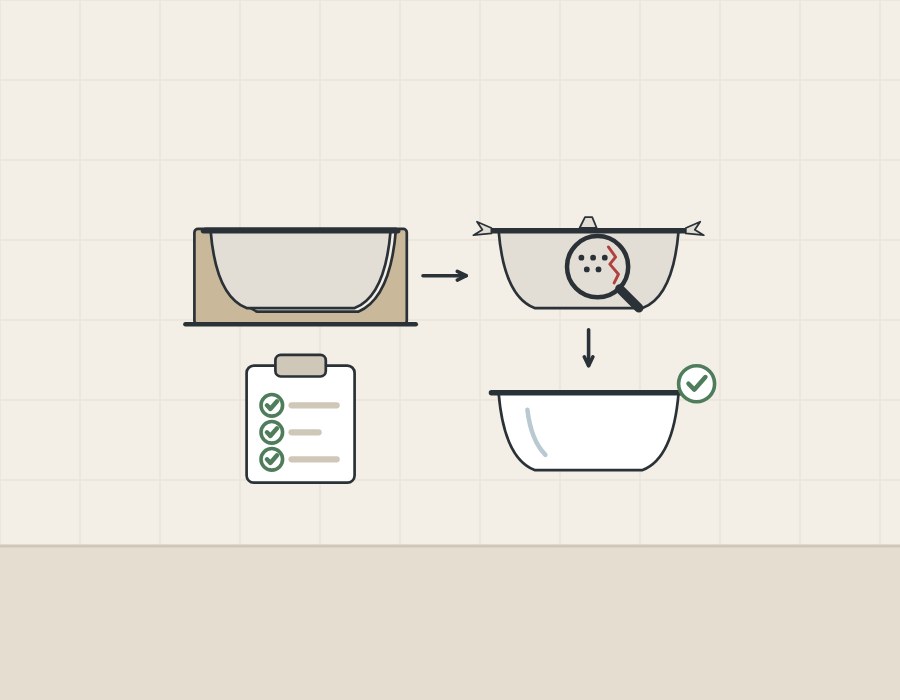
The casting is mixed, poured, hardened, released and then finished. This outline combines the ICPA description with two Gruber Systems equipment pages; it is not any supplier’s process.
- The mold is polished and, for cultured marble, coated with a clear gelcoat.
- The matrix is mixed, under vacuum where the maker uses a vacuum mixer.
- The matrix is poured, with vibration where the maker uses a vibration table.
- The catalyst’s reaction hardens the casting.
- The casting is released from the mold.
- The casting is trimmed, ground, polished and inspected.
Gruber Systems says its vacuum mixers evacuate air from the matrix to produce void-free cast solid surface, and that its vibration tables settle uncured matrix to fill the mold.
Which defects do sources describe on molded parts?
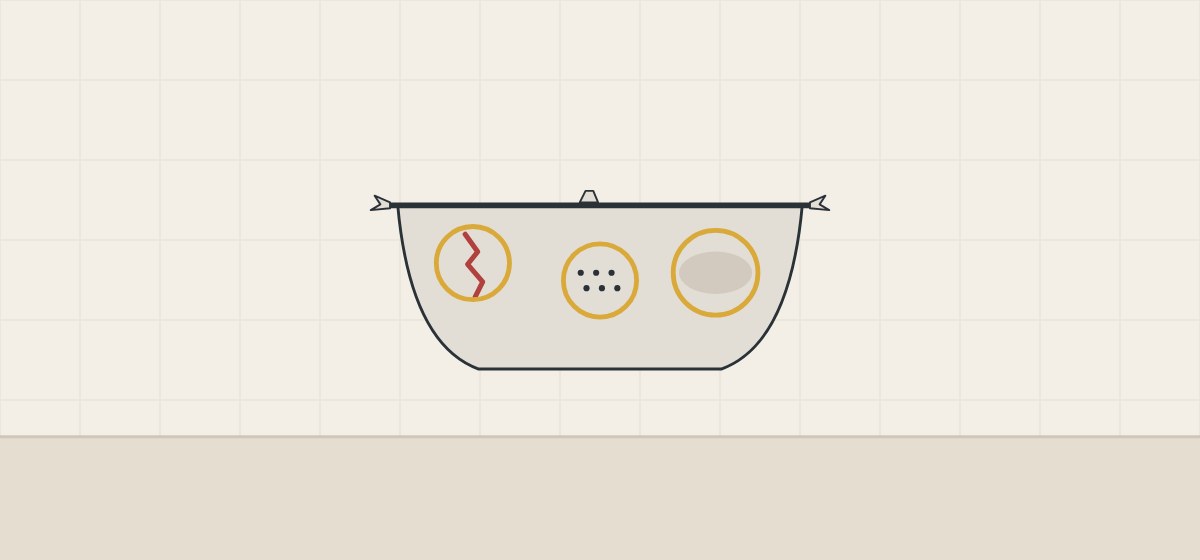
Published descriptions name cracking, pre-release and porosity. All three come from ACMA’s gel coat troubleshooting article and describe gel coat films, not solid surface made without a gelcoat. Only cracking is tied to de-molding.
| Defect | Source | What it says |
|---|---|---|
| Cracking | ACMA | Gel coat breaks from mechanical or thermal forces. Causes listed include sticking during de-molding and a laminate too green to support the film. |
| Pre-release | ACMA | Gel coat film separates from the mold, before or after lamination, leaving a dull or distorted surface. |
| Porosity | ACMA | Air trapped in the cured gel coat forms small spherical voids. |
The sources used here do not say where on a bathtub these defects appear.
What can a demolding check not show?
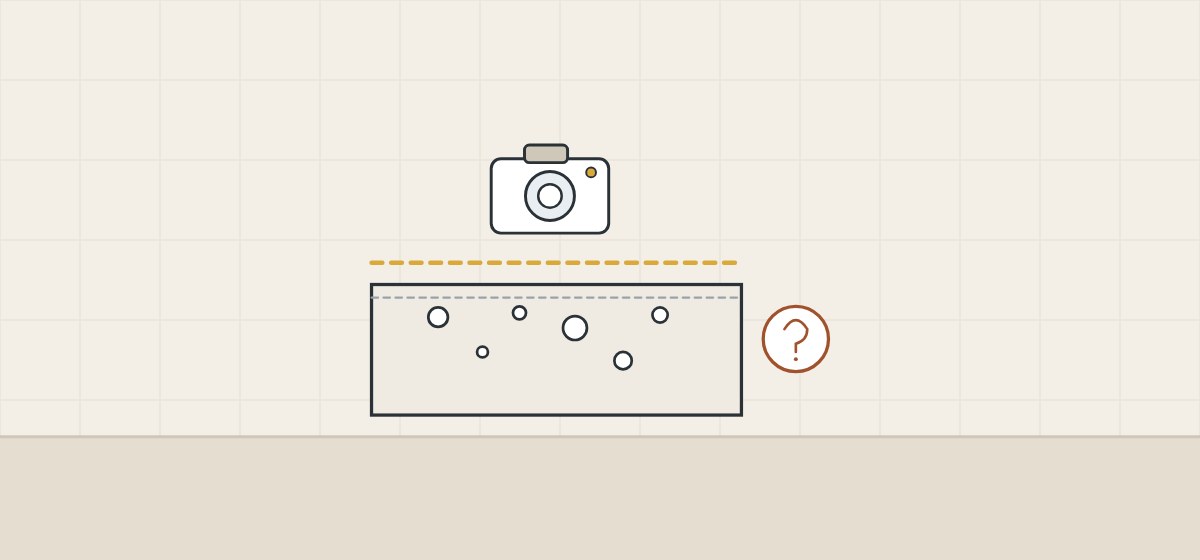
A demolding check sees one casting’s outer surface at one moment. The sources describe what sits outside that view.
| Limit | Source | What it says |
|---|---|---|
| Voids under the surface | ACMA | Porosity voids in gel coat often are not visible until sanded or buffed. |
| Finished surface | ICPA | Trimming, grinding and polishing come after removal from the mold. |
| Backlit color | Corian | A color difference in a back-lit application may not be seen until it is back lit. |
The sources used here give no cure state or hardness for a bathtub at demolding. Ask the supplier how it decides a casting is ready to release and finish.
Which documents describe an acceptable surface?
No source used here sets an inspection at demolding. These documents describe the finished fixture or the material:
CSA B45.5/IAPMO Z124
Covers plastic plumbing fixtures, bathtubs included, with requirements for materials, construction, performance, testing and markings. The CSA store page lists the 2022 edition as superseding 2017 and shows that an update to it is available.
ISO 19712-1:2008
Classifies solid surfacing materials; its abstract lists tubs among solid surface shapes.
ISFA 2-01 (2013)
Covers solid surfacing sheets, which ISFA describes as solid, non-porous, homogeneous and renewable.
Maker inspection guides
Corian asks that exposed surfaces of its sinks and lavatories be free of objectionable scratches, ridges, ripples, pits, craters and air holes. LX Hausys’ HIMACS guide asks for shapes with no scratch, sanding mark or crack.
- The standard, edition and updates the order names
- The surface-defect wording agreed
- Which surfaces count as exposed
How do light, timing and lot records affect the check?
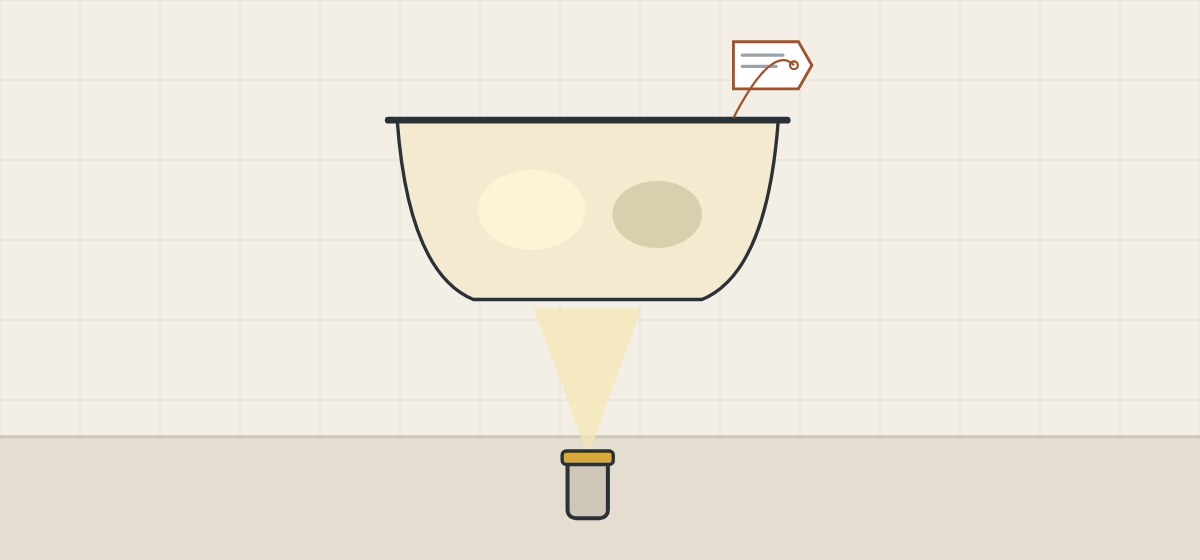
Makers of solid surface sheets and shapes tie inspection to the moment before work starts, to lighting and to lot identity. Their statements cover their own products, not bathtub shells:
Before work is added
LX Hausys calls inspection for defects or color match essential before HIMACS products are used or fabricated.
Room lighting
Corian and LX Hausys both say never to judge color under bright light such as direct sunlight.
Backlighting
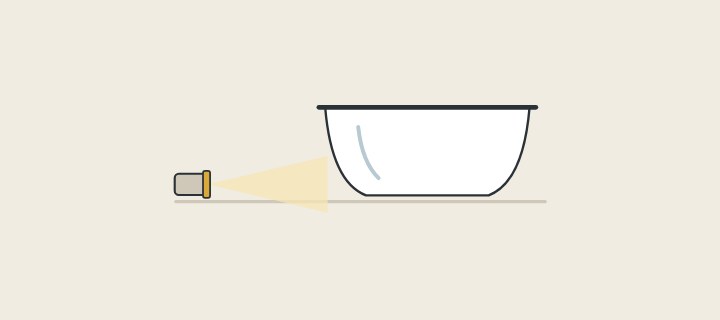
Corian says back-lit applications should be checked with back lighting, because a color difference may not be seen until then.
LX Hausys asks fabricators to use sheets of the same lot number, to mark defective material, record the defect and inform the distributor. A demolding record can follow that pattern: casting identity first, then findings.
What do sources say about flatness and level?
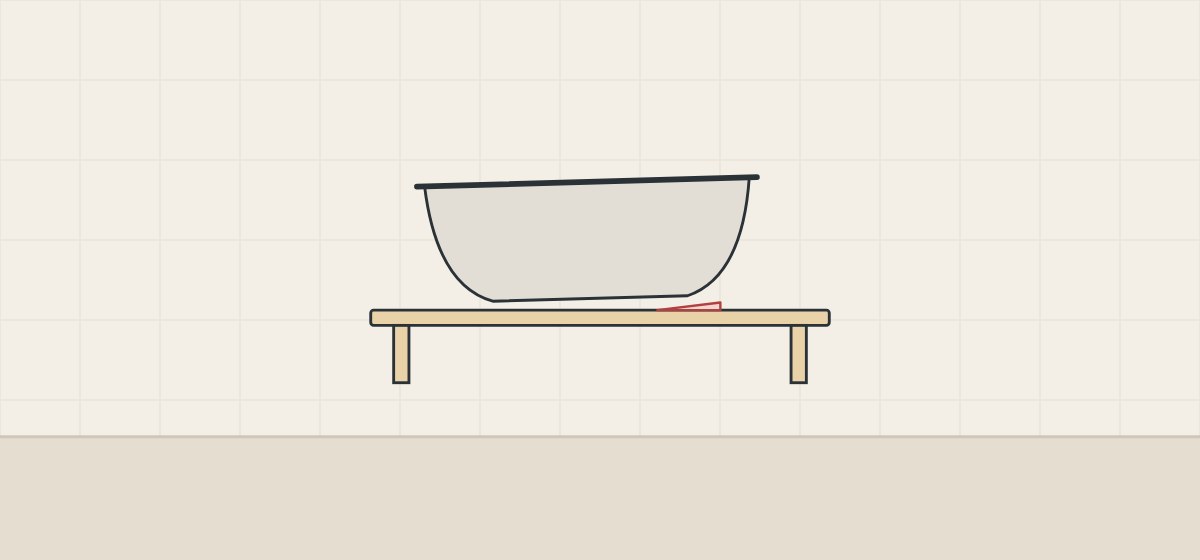
One maker requires its tubs to be level at installation and another gives a warp limit for its sheets. What each source says:
| Source | What it says |
|---|---|
| LX Hausys HIMACS guide | Sheet warping under 1.5 mm per meter when delivered; its sheets only. |
| Hydro Systems installation guide | Inspect the tub before installation; it must be level end to end and side to side. |
How should a buyer run a demolding check?
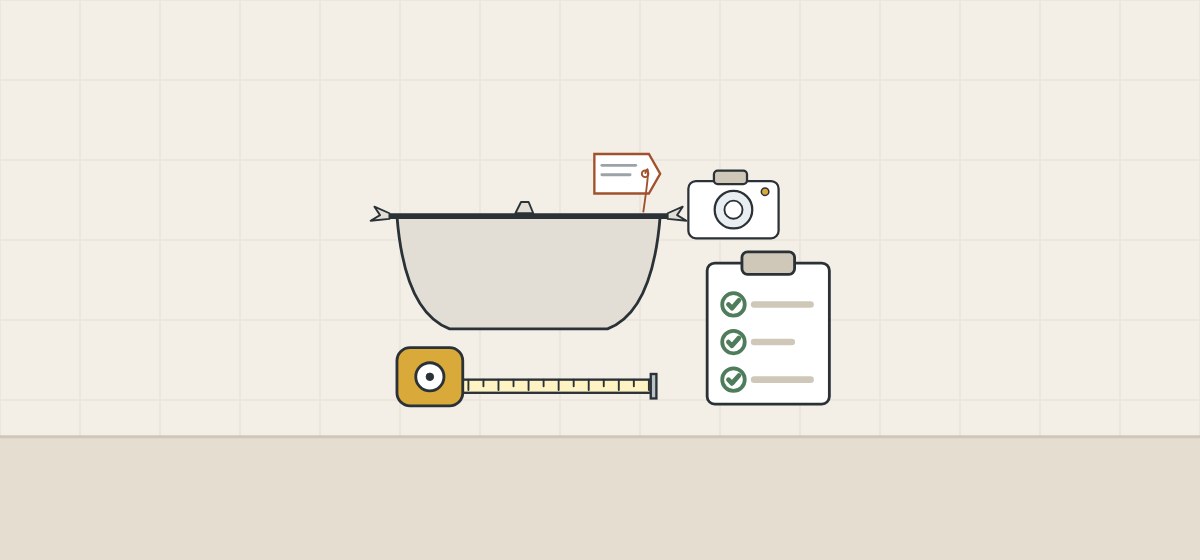
Ask for the check on a new mold, a custom shape, a new colored or translucent mix, or a project’s first casting. On a proven mold, finished-unit checks may be enough. These steps are procurement guidance, not a standard.
- Agree the review first. Name who reviews the evidence and how quickly.
- Walk the edges for fill. Compare the rim, outer corners, base edge and any slim foot with the drawing.
- Look for voids and cracks. Record each with its position. Backlight a translucent mix.
- Measure with the tape in frame. Length, width, height, bowl depth and drain position; ask which figures are final before trimming. Treat demolding measurements as provisional and re-measure the finished tub.
- Check for twist. Set the shell on a flat table and press diagonally opposite corners.
- Check mold-formed features. Confirm any drain recess or overflow channel; openings cut later are checked before packing.
- Decide per casting. Release to finishing, repair by an agreed method, or re-cast.
Release, repair or re-cast
Agree the rule before the first pour. A workable one: release when shape, size and flatness match the drawing; repair only a local flaw, by an agreed method; discuss a re-cast for cracks, missing material at the rim or base, uncorrectable twist or a wrong main dimension. Agree with photos which mold marks count as normal.
What should you ask for before production starts?
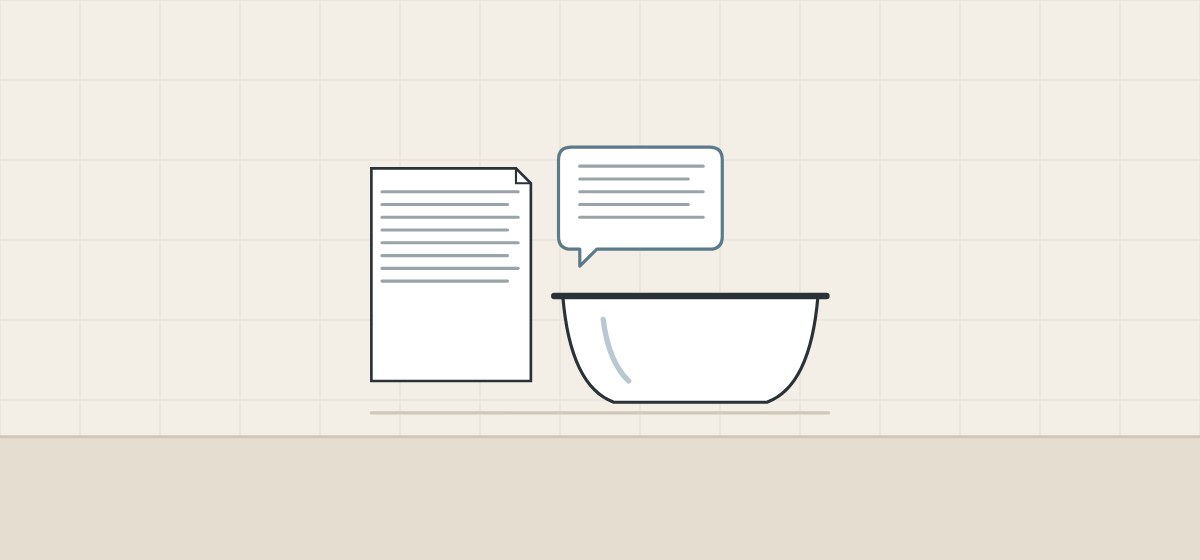
Ask for demolding evidence that names the casting and is taken before any sanding.
| Request | Why it matters |
|---|---|
| Photos with order and casting ID in frame | Shows which casting the evidence belongs to. |
| Tape readings, tape visible | Compares this casting with the drawing. |
| Flat-table video, corners pressed | Shows twist before base trimming. |
| Backlit view of a translucent shell | Corian says a color difference may show only when backlit. |
| Demolding views of the approved sample | Finishing can change what is seen. |
| Repair method, shown on a finished tub | Repairs are agreed in advance. |
Include with your request
- Approved drawing with drain position
- Color and whether the mix is translucent
- New mold, custom shape or repeat model
- The standard and edition required
WNS Global confirms any offered bathtub, the evidence available at demolding and commercial terms separately in writing. This guide does not state that WNS Global products follow the processes, meet the limits or hold the listings named above.