From material to evidence
What is a cast solid surface bathtub made of?
Published sources describe resin and filler cast in a mold. The International Cast Polymer Association says solid surface products consist of resin and filler, like cultured marble, but are made without a surface gelcoat.
Makers describe their own materials. Victoria + Albert says its QUARRYCAST material is a blend of volcanic limestone and resins and is solid all the way through. Corian’s product bulletin gives its solid surface as about one third acrylic resin and about two thirds natural minerals, with colors and patterns running through the entire thickness.
ISO’s abstract of ISO 19712-1:2008 names tubs among solid surface shapes.
| Term | How the source describes it |
|---|---|
| Solid surfacing materials | ISO abstract of ISO 19712-1: homogeneous appearance, renewable surfaces, inconspicuous seams. |
| Cultured marble | ICPA: polyester resin, catalyst, fillers and pigments poured into polished molds coated with a clear gelcoat. |
| Lot or batch | ASQ: a definite quantity made under conditions considered uniform. |
How do you build an evidence plan for a cast tub order?
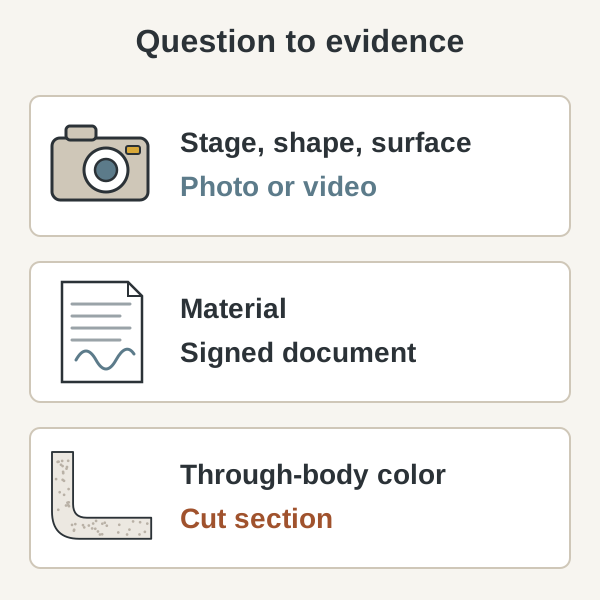
Start from the questions that could change a decision or a claim. The steps are procurement practice, not a published procedure.
- List the questions: shape and size, surface, color, material, market rules, transit.
- Split visible questions from invisible ones.
- Ask for a written material description naming your model and color.
- Settle market requirements, and any test or listing, before the order.
- Put an order and unit ID card in every photo.
- Agree a fallback for stages that cannot be photographed.
The ASQ glossary defines inspection as measuring, examining, testing or gauging characteristics and comparing the results with specified requirements. Each evidence item therefore needs a stated requirement.
What can production photos show, and what can they not?
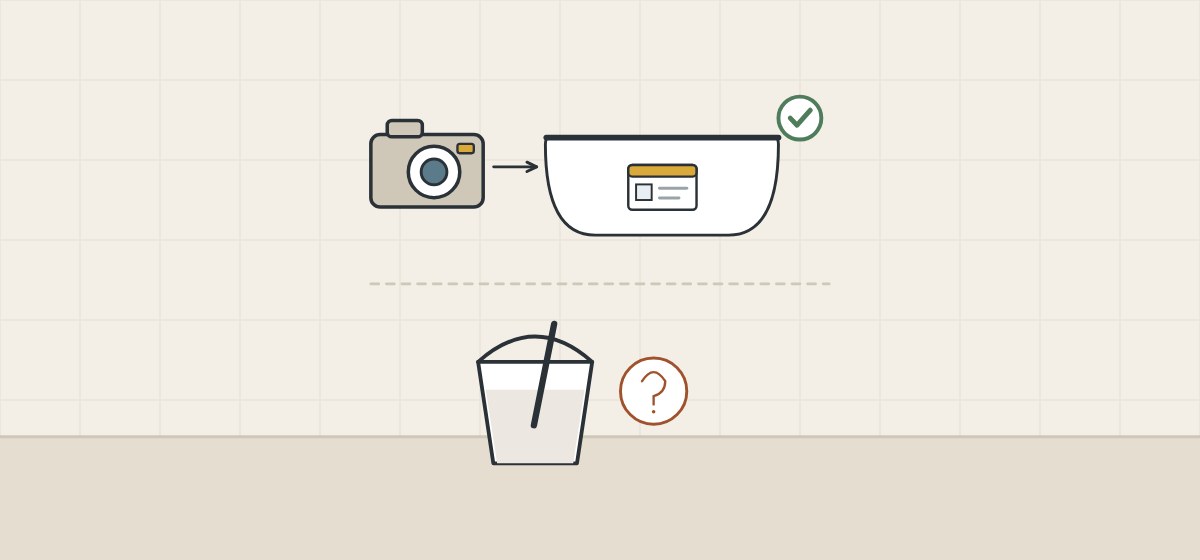
Photos and video show what is visible on the unit in frame that day. The split below is this guide’s reasoning, not a published rule.
| Photos and video can show | They cannot show |
|---|---|
| The stage a unit has reached | What went into the mix |
| That the unit is yours, by its ID card | That the mix filmed went into your tubs |
| Shape, and size with a tape in frame | What lies behind the surface |
| Visible surface: waviness, marks, repairs | Stain or chemical test results |
| Packing and loading condition | That every later unit matches |
A photo is a record of one unit on one day. Test results come from a laboratory report, which the report section below covers.
Which evidence answers which buyer question?
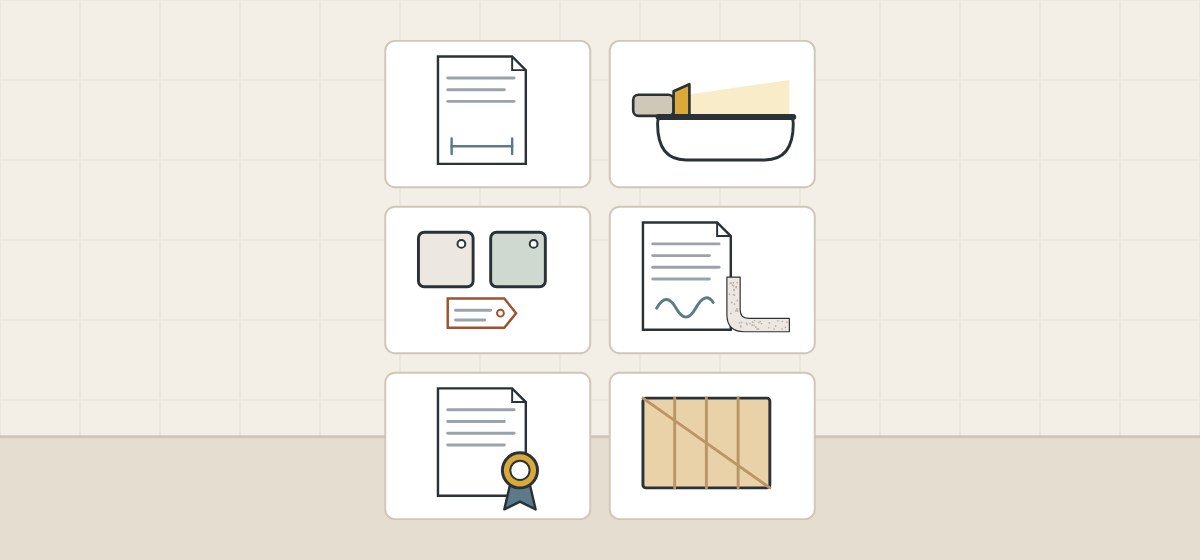
Each buyer question has evidence that can answer it and a point where that evidence stops.
| Question | Evidence to ask for | Where it stops |
|---|---|---|
| Shape and size | Approved drawing; tape readings of the first finished tub | Says nothing about later units. |
| Surface | Video with a low moving light, unit ID in frame | Shows that tub only; no test result. |
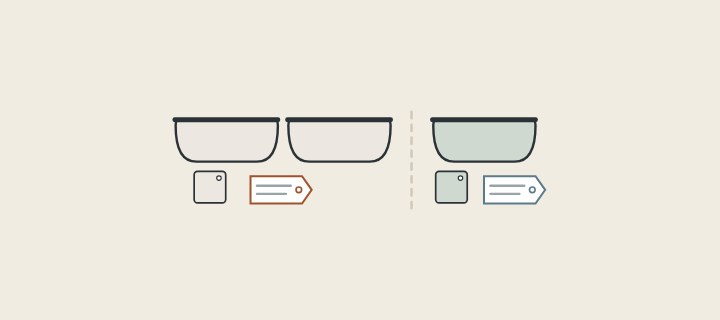
| Color | Batch mark on unit and carton; a retained chip | Does not show that two runs match. |
| Material | Signed description for model and color; a cut section | A declaration, and that one piece. |
| Market rules | Requirement for the destination; any report or listing | Covers the item and method named. |
| Transit | Packing specification; packing and loading photos | Condition when packed, not afterwards. |
Lighting matters for surface evidence. Corian’s inspection bulletin tells fabricators of its products never to inspect in bright light such as direct sunlight.
What does a test report or a product standard cover?
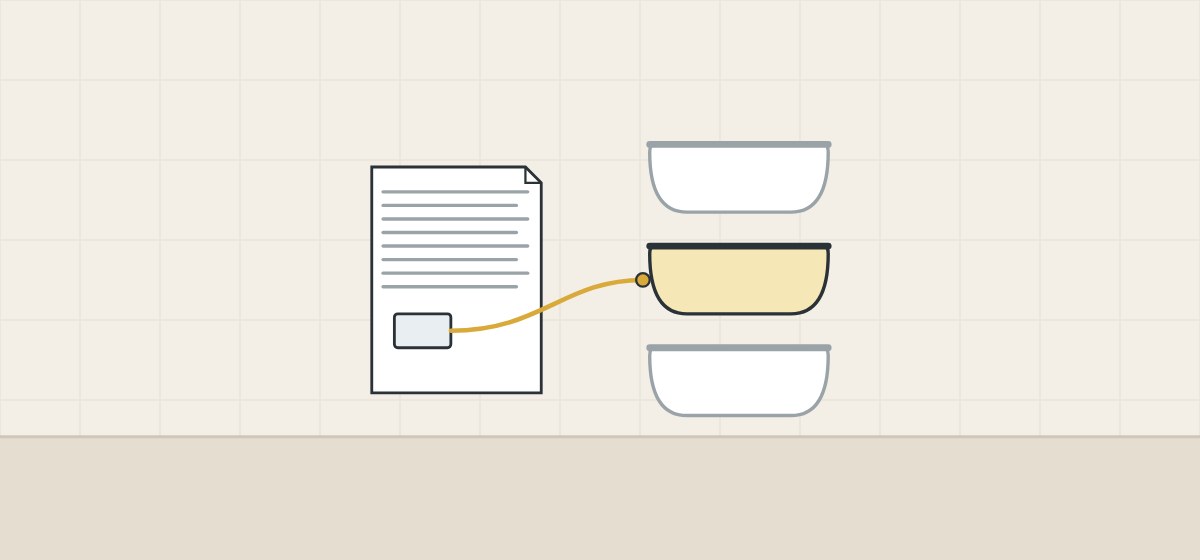
Read a report for the item it identifies and the method it names. Three references show what to read:
CSA B45.5:22/IAPMO Z124-2022
Per CSA Group’s store page, covers plastic plumbing fixtures and sets requirements for materials, construction, performance, testing and markings. Its scope lists bathtubs and combination tub/showers. The page says this edition supersedes the one published in 2017.
BS EN 14516:2015+A1:2018
Per BSI’s page, specifies characteristics, test methods and conformity evaluation for domestic baths, aimed at cleanability and durability. BSI shows this edition as current and under review.
Report content
A NIST crosswalk of ISO/IEC 17025 lists a description and unambiguous identification of the item, receipt and issue dates, and a statement that results relate only to the measured items.
- The item description and model
- The standard and its edition year
- Receipt and issue dates
- The issuing laboratory
What does a listing add to a test report?

Certifiers publish what their own listings involve. Three points from IAPMO R&T and CSA Group, and one from the European Commission on CE marking, which is not a certifier’s listing:
Factory inspection
IAPMO R&T says the initial factory inspection is one of its listing requirements, and that each warehouse and manufacturing location is inspected at least once a year.
Changes
IAPMO R&T’s listing agreement requires prior written approval for any substantial change in material, manufacturing process, marking or design.
Public record
CSA Group’s listing guide, written for electrical inspectors, says its Certified Product Listing can be searched by company or by file and class number.
CE marking
The European Commission says CE marking indicates that a construction product conforms with its declared performance and was assessed under a harmonised European standard or a European Technical Assessment.
Which of these a bathtub needs depends on the destination market. This guide does not state what any law requires; confirm with the local authority.
Why does one checked tub not prove the whole order?
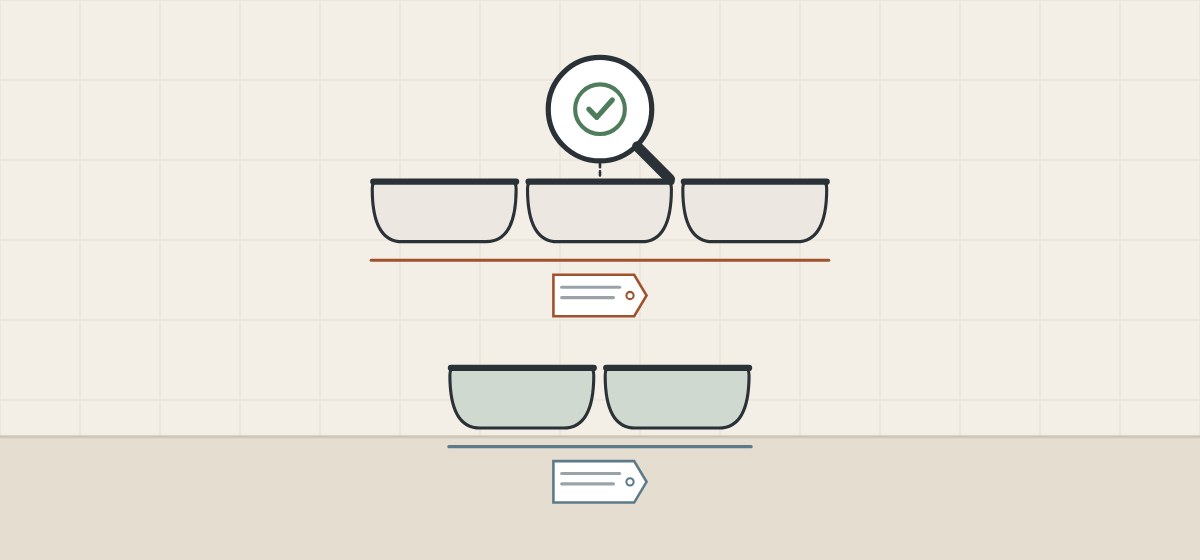
One checked unit is evidence about that unit. Published terms show why the lot must be named.
| Source | What it says |
|---|---|
| ASQ: lot or batch | A definite quantity made under production conditions considered uniform. |
| ASQ: 100% inspection | Inspection of all the units in the lot or batch. |
| Corian product bulletin | Slight color variations may be found within a sheet or from sheet to sheet of the same color. |
| Corian inspection bulletin | Match color by a trial match, sheets from one pallet or identification codes in range; keep or record the codes. |
How should a buyer request production evidence?
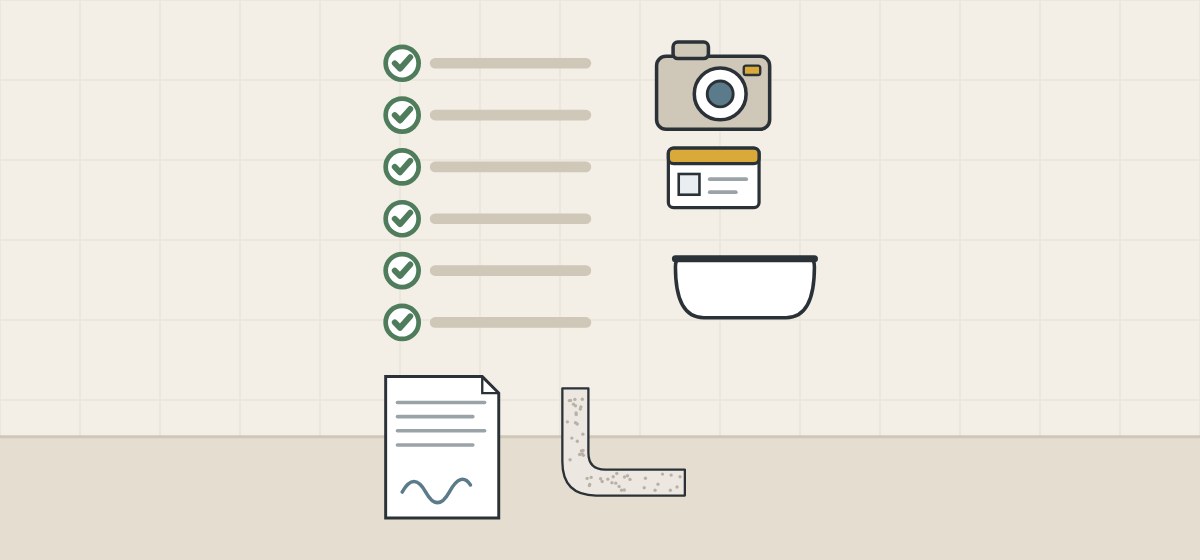
These steps are procurement guidance and do not replace testing.
- Write the material description request. Model, color, material type, through-body color and finish; signed.
- Back through-body color physically. A cut section or a drain-opening offcut.
- Fix the photo set. One wide and one close shot per unit per stage, ID card in frame.
- Name the batch. Batch mark on unit and carton; a retained chip.
- Agree tests and listings before production. Model, standard and edition, and who arranges it.
- Read the report against the order. Check the model and item named on it.
Requests that miss the point
A pouring video shows that a mix was poured, not what was in it. A factory tour shows a site, not your order. A finished-face photo does not show through-body color.
What should you send and ask before a quotation?

A complete request names the evidence you expect with the order.
| Question | Why it matters |
|---|---|
| Will you sign a material description for this model? | Material is declared, not filmed. |
| Can you supply a cut section? | Through-body color needs a physical piece. |
| Which stages can be photographed, and where? | Photos show the unit in frame. |
| How are units and batches marked? | A lot has to be identifiable. |
| Who arranges any test my market needs? | Scope is agreed before production. |
| Is there a report or listing for this exact model? | A report names the item tested. |
Include with your request
- Model, size and color reference
- Destination market and customer requirements
- Evidence items and stages wanted
- Quantity and planned shipments
WNS Global confirms any offered bathtub, material description, evidence set and commercial terms separately in writing. This guide does not state that WNS Global bathtubs have any composition, test result, rating or listing named above.