From lamp to acceptance
What is raking light, and what does it highlight?
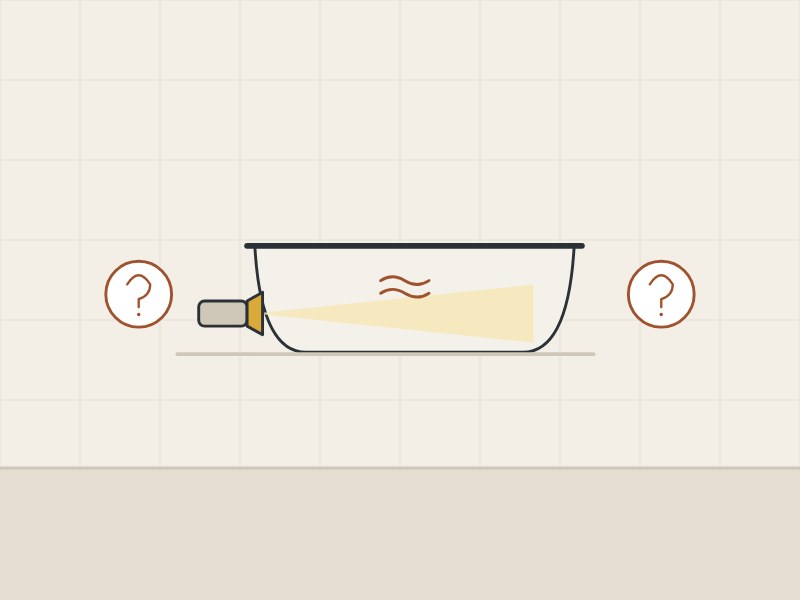
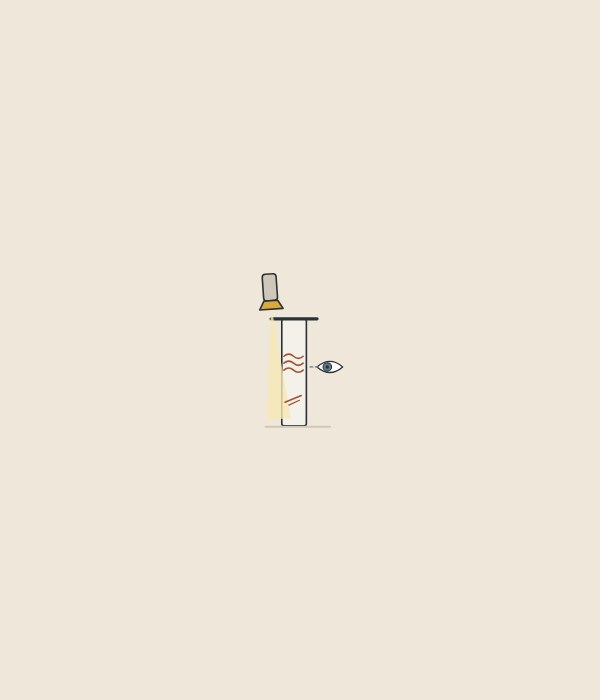
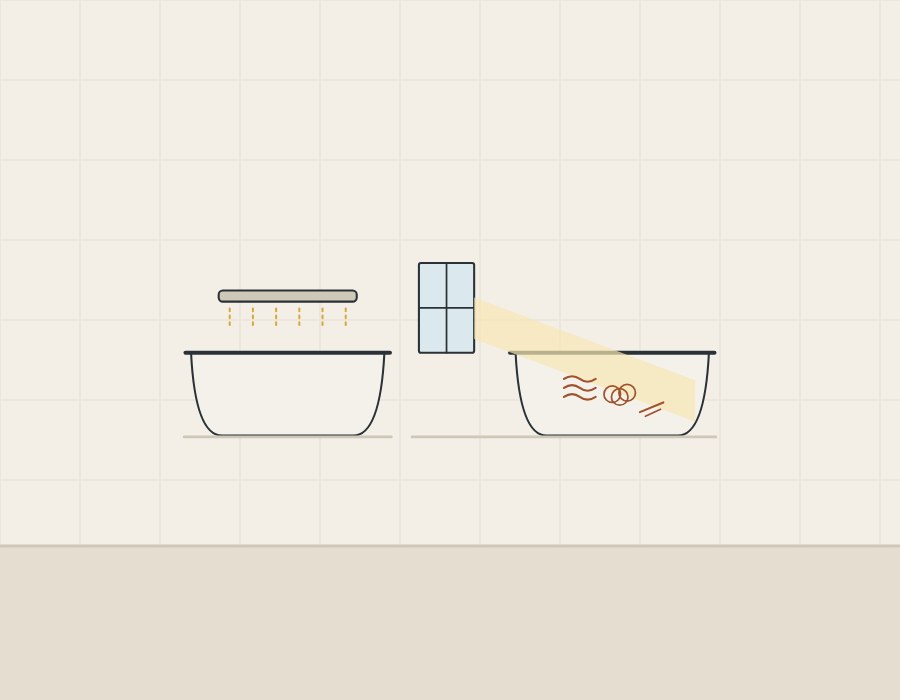
In this guide, raking light means one lamp held low so that its beam skims the surface. Corian recommends low-angle lighting behind the workstation to check for a uniform finish during sanding.
Corian says this lighting highlights imperfections in the finish, including the pattern left by the sander, and that this is particularly noticeable at higher glosses and with darker colors.
The Library of Congress photographs objects in a similar way: its raking illumination procedure lowers the lamp and uses only one light.
| Term | What it means |
|---|---|
| Raking light | This guide’s term: one lamp held low, beam skimming the surface. |
| Low-angle lighting | Corian’s term for the light used to check a finish during sanding. |
| Critical lighting | Gypsum Association: strong side lighting from windows or surface-mounted fixtures. |
| Limit sample | This guide’s term: a physical piece showing the worst acceptable fault. |
How do you set up and run the inspection?
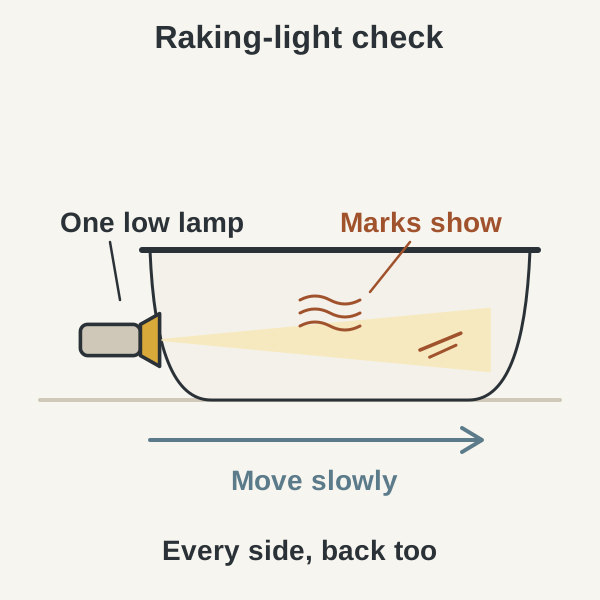
Use one lamp, a fixed route and a camera. The steps are this guide’s procedure; no fetched standard prescribes them for bathtubs.
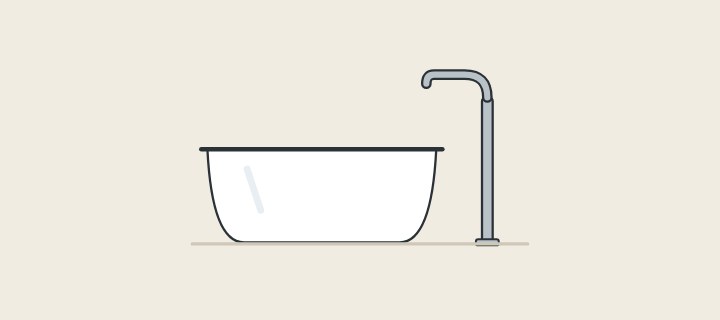
- Unpack the tub and stand it where you can walk all around it.
- Wipe the surface clean and dim other lights where possible.
- Hold one bright lamp close to the surface at a low angle.
- Move the lamp slowly along the rim, then down each outside wall, including the back.
- Continue along the base, then inside the bowl, the floor, the drain and the overflow.
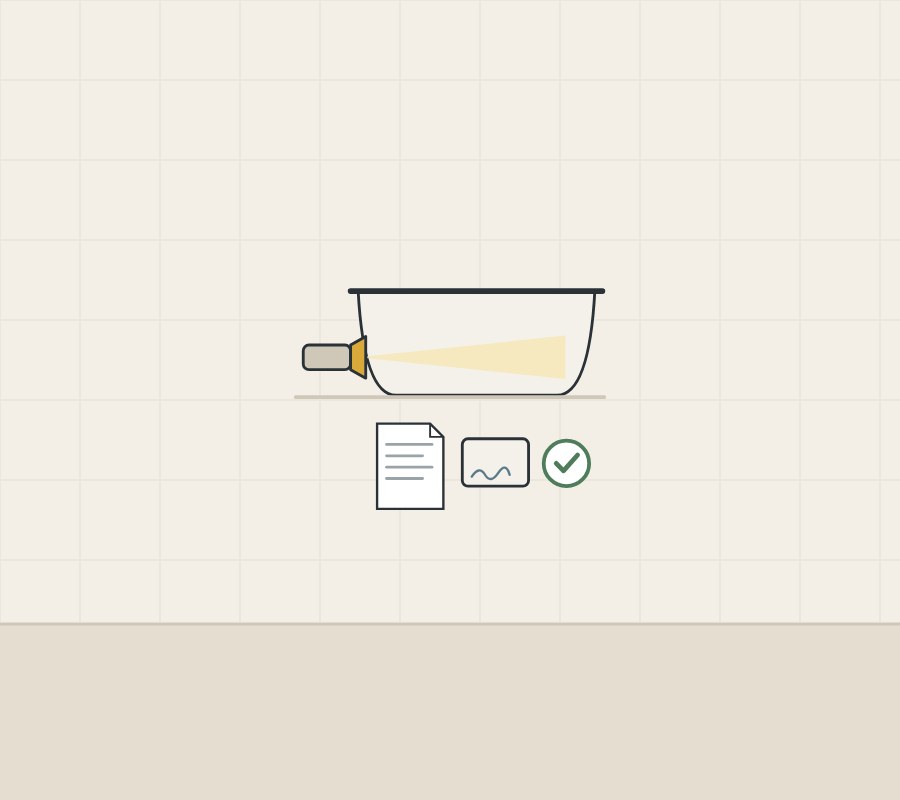
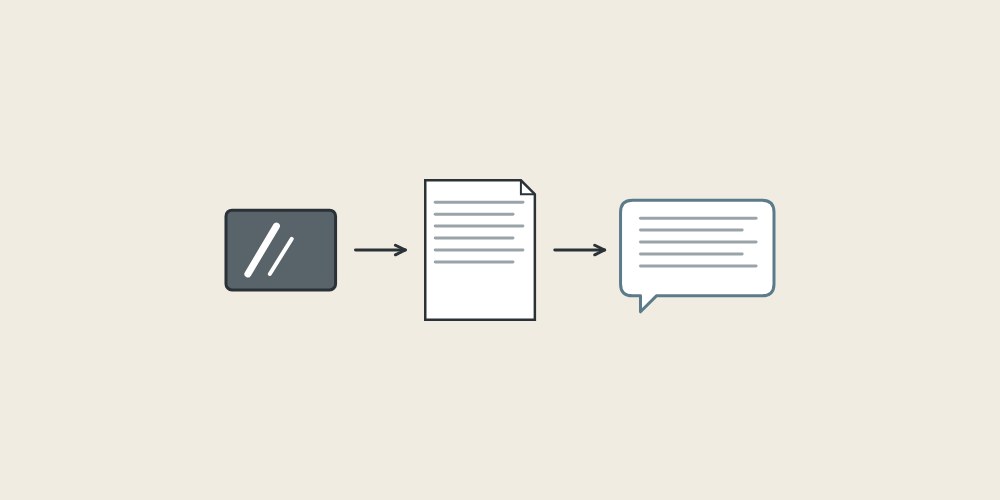
- Mark each fault, film it with the lamp moving, and show the tub’s identity in the video.
Kohler and Lacava place inspection before installation. Kohler’s freestanding bathtub instructions say to unpack and inspect the bath for damage. Lacava’s bathtub manual says products must be inspected before installation, and that installing means accepting.
How do gloss, matte and dark finishes behave under the light?
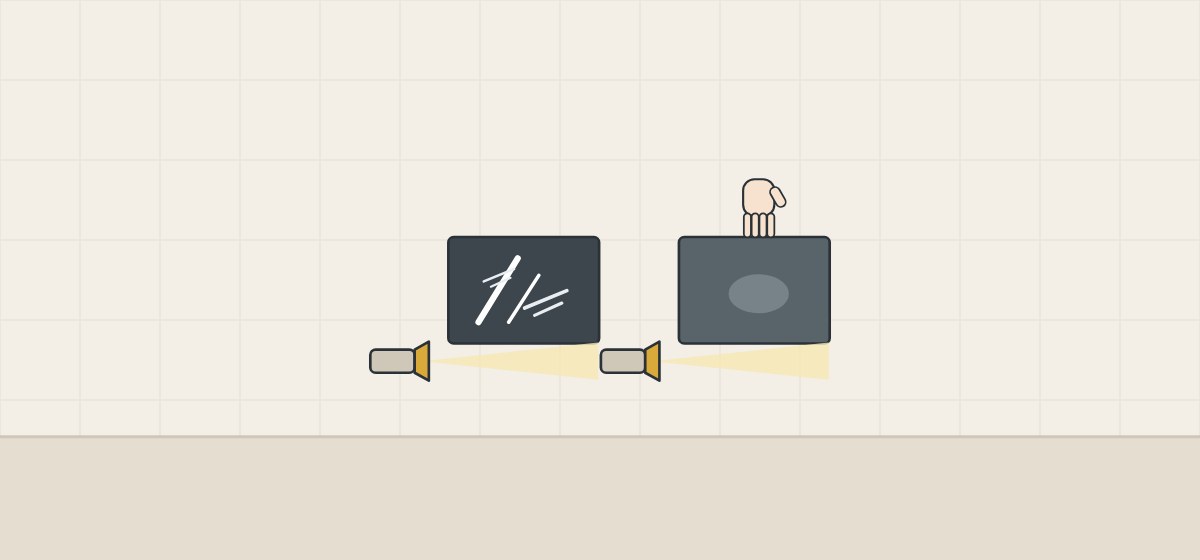
Gloss and dark colors show finish faults more readily, according to Corian. The Corian rows come from its finishing bulletin for its own solid surface, not a bathtub document.
| Finish or color | What the source says | Source |
|---|---|---|
| Gloss | Scratches are more visible; needs more care. | Corian |
| Dark colors | Finish imperfections particularly noticeable under low-angle light. | Corian |
| Dark matte | May be prone to showing oils from hand contact. | Corian |
| Any gloss level | Image distinctness, haze and texture also affect how gloss is judged. | ASTM D523 |
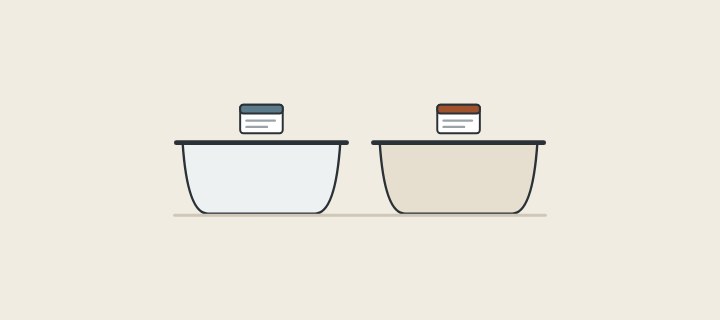
Lacava lists matte white, gloss white and matte black for its solid surface bathtubs. Record which finish the order names before judging a tub.
Which surface faults do makers name?
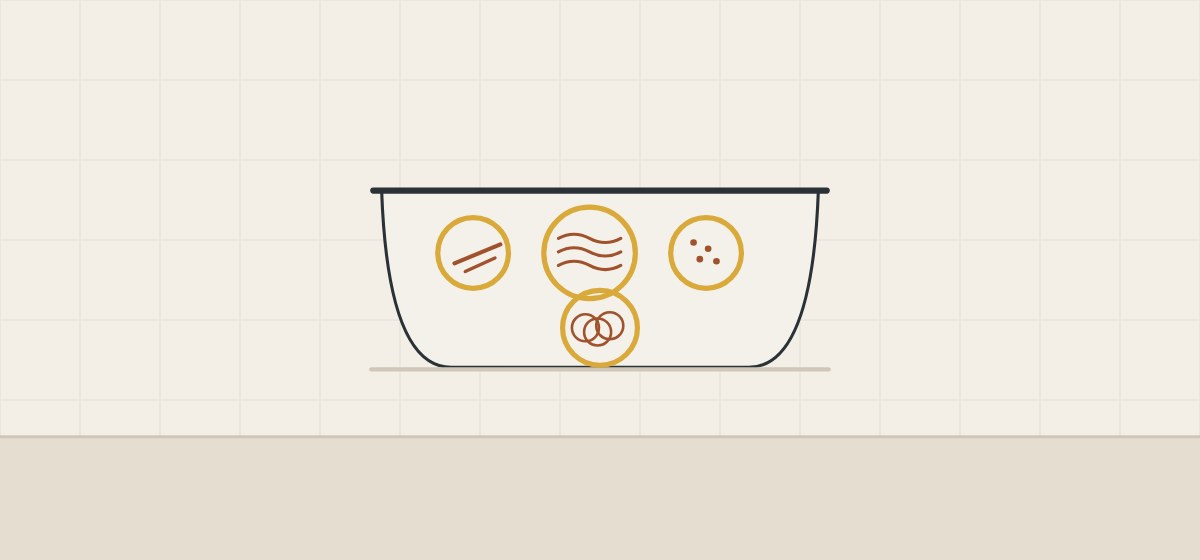
Corian and LX Hausys publish fault lists for their own sinks, lavatories and shapes. They are not bathtub limits, but they give a buyer words to use.
| Source | Applies to | What it names |
|---|---|---|
| Corian quality inspection | Corian sinks and lavatories | Scratches that are objectionable, ridges, ripples, pits, craters, air holes, white spots, depressions, and sink marks when viewed from two feet away. |
| LX Hausys HIMACS inspection | HIMACS shapes, visible surface (bowl inside) | Scratch, white and black point, sanding mark, crack, dust and impurities. |
| LX Hausys HIMACS inspection | HIMACS shapes, invisible surface (bowl outside) | The same list; the sheet gives each surface its own allowance. |
For its bowls, LX Hausys calls the inside visible and the outside invisible. On a freestanding tub the outside walls face the room, so the order should say which surfaces count as visible.
What viewing conditions do published methods fix?
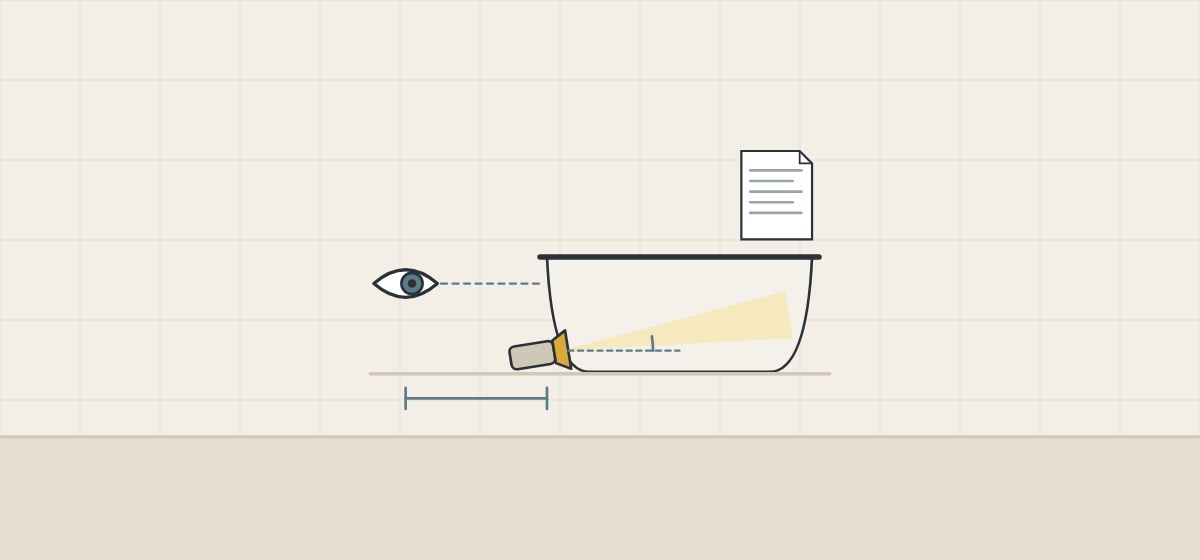
Published methods fix a distance, an angle, a light level or a light direction. Each belongs to its own product or purpose. The two sunlight cautions concern color, not surface faults:
Corian
Sink marks are judged from two feet away. In its color-match hints for sheets, Corian also says never to inspect in bright light such as direct sunlight.
ISFA 2-01 (2013), sheets
The ISFA standard, in its visual defects test, views sheet specimens from 610 to 750 mm, at angles of 10°, 45° and 90° to the horizontal, under 800 to 1100 lux.
LX Hausys, HIMACS
In its section on sheets, the HIMACS inspection sheet says never to inspect color under bright lights like direct sunlight.
Library of Congress, photographs
The procedure says never to change the lamp angle, and puts a light direction indicator in the frame.
- Lamp type and brightness
- Lamp angle and distance from the surface
- Viewing distance and positions
- Other light in the room
- Which surfaces count as visible
Can faults found under the light be refinished?
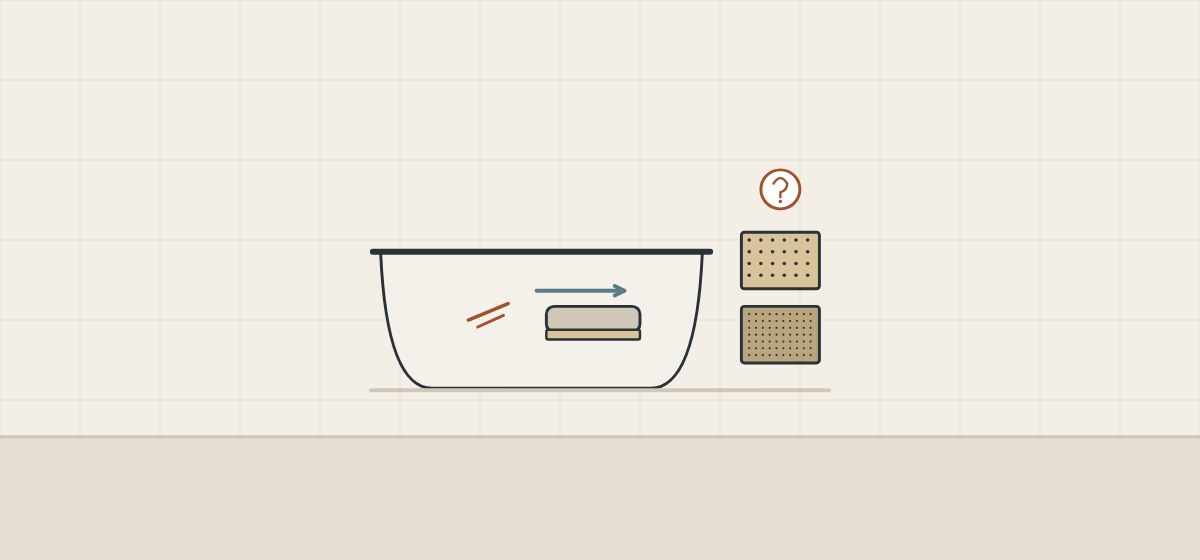
Some named makers say yes for their own material, within limits. Ask the tub’s maker before anyone sands.
ISFA 2-01 (2013), sheets
Describes solid surface as solid, non-porous, homogeneous and renewable.
Victoria + Albert
Says on its materials page that its material is solid all the way through, so internal scratches polish out.
Kohler
For stains or minor scratches, its freestanding bathtub instructions use 400 grit sandpaper in a circular pattern, then 600 grit over the repair and the surrounding area. Kohler says this is not appropriate for deep scratches, gouges or chips.
Hydro Systems
Its installation guide says scratches can usually be removed, buffed or polished out by an authorized service agent. The same guide’s cleaning instructions also name 180 grit wet/dry sandpaper.
Makers differ: Lacava’s care instructions say never to use abrasive materials on its solid surface bathtubs, and its manual gives no scratch-repair method.
What can a raking-light check not establish?
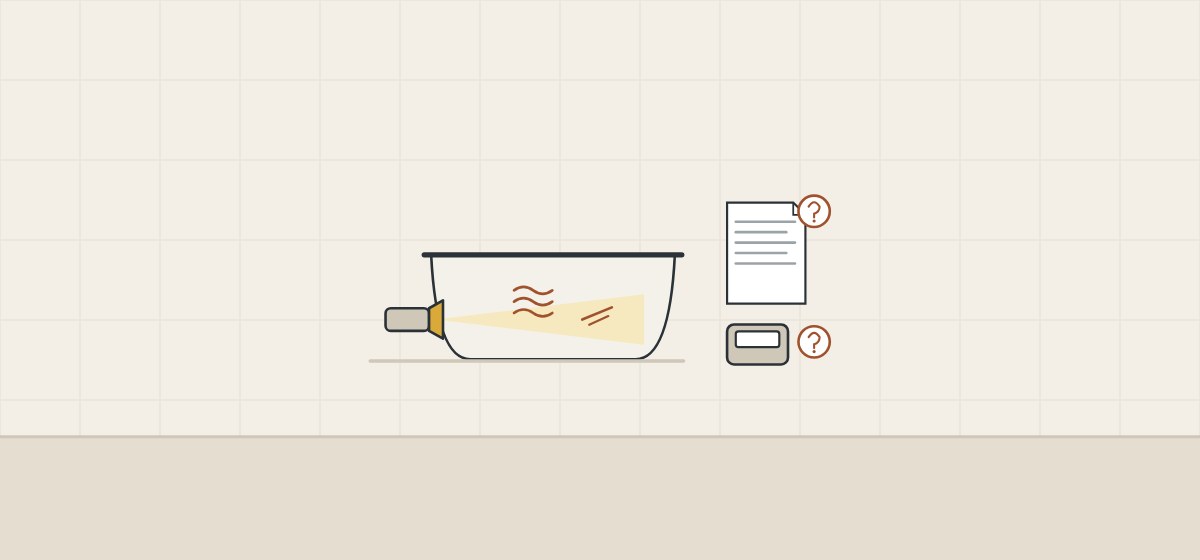
A raking-light check shows the visible surface of one tub under one light. Other questions need other evidence.
| Question | What the sources show |
|---|---|
| Construction and performance | CSA B45.5:22/IAPMO Z124-2022 covers materials, construction, performance, testing and markings of plastic plumbing fixtures. CSA’s page notes an update is available. |
| Gloss level as a number | ASTM D523-25 measures specular gloss with a glossmeter at 60°, 20° or 85°. |
| Acceptance level for a bathtub | No fetched source sets one; the order must. |
How should buyer and factory agree the method?
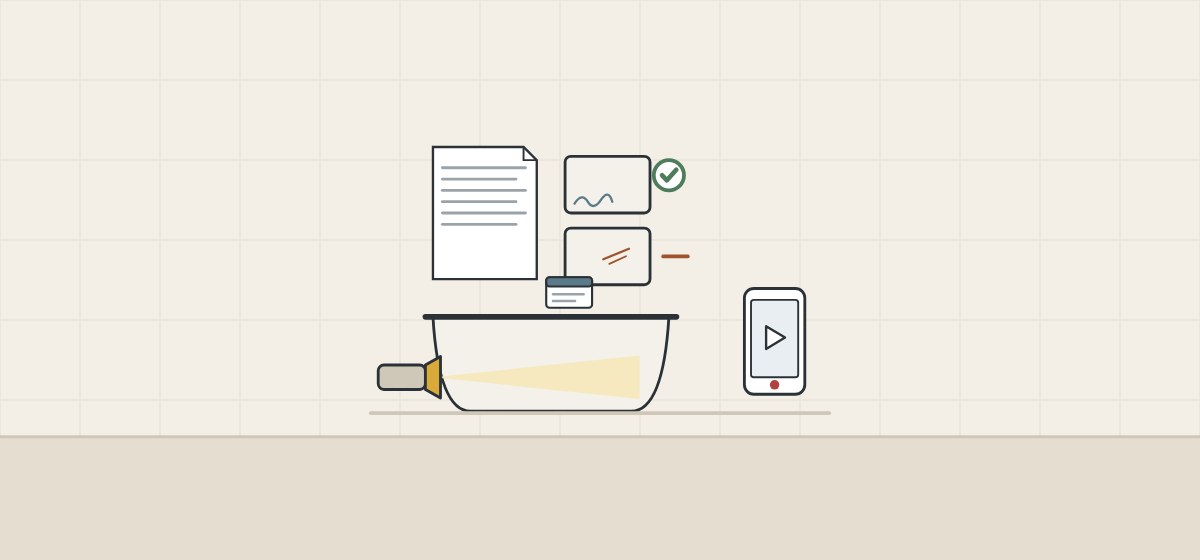
Write the method into the inspection plan before the first tub is checked. These steps are procurement guidance.
- Write the light down. Lamp type, angle, distance from the surface and room light.
- Fix the viewing position. State the distance and the positions from which a fault counts.
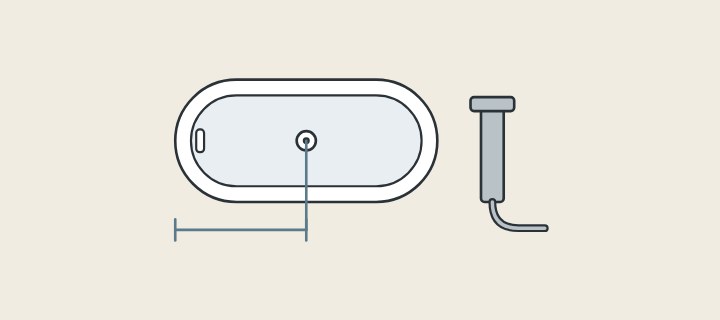
- Define visible surfaces. On a freestanding tub, include the back and the base line.
- Approve physical references. Keep a signed sample and, if possible, a limit sample.
- Fix the route. Rim, outside walls, base, bowl, floor, drain and overflow.
- Record on video. Lamp moving, tub identity and light direction shown.
- Decide per fault. Accept, refinish by the maker’s method, or reject.
When a tub passes at the factory and fails on site
When factory and site share one written method, the same references and the same viewing position, a dispute narrows to one marked fault.
What should you send and ask before a quotation?

Ask how the surface will be inspected, not only what finish it has.
| Question | Why it matters |
|---|---|
| Which finish and color are offered? | Corian says gloss and dark colors show faults more. |
| Under which light is the surface checked? | Corian uses low-angle light to highlight finish faults. |
| From what distance are faults judged? | ISFA and Corian each state a distance. |
| Which surfaces count as visible? | A freestanding tub shows its back. |
| Is there a limit sample? | Words alone leave room for dispute. |
| Can a marked fault be refinished, and how? | Makers differ on abrasives and limits. |
Include with your request
- Finish and color required
- Where the tub stands relative to windows and lights
- Your proposed inspection method
- Quantity and tub identification scheme
WNS Global confirms any offered bathtub, inspection method, sample and commercial terms separately in writing. This guide does not state that WNS Global bathtubs are inspected by this method, meet any limit quoted above or are listed to any standard named above.