From mechanism to evidence
What is dezincification and what does it do to brass?
Dezincification is corrosion in which brass loses zinc and copper stays behind. The Canadian Conservation Institute (CCI) describes it as “a process in which zinc is lost and copper is left behind”. Its note concerns brass objects in collections, not plumbing.
CCI says more severe dezincification produces a porous, weak metal that is mainly copper. Jomar Valve likewise describes a porous, copper-rich structure with poor mechanical strength.
New Zealand’s building regulator, MBIE, says the zinc leaches into the water supply.
| Term | What the source says |
|---|---|
| DZR | CDA: dezincification resistant brass. |
| Alpha phase | CCI: from pure copper to about 35 wt% zinc. |
| Duplex brass | CCI: alpha and beta phases mixed, 35 to 50 wt% zinc; CDA gives about 35% to 45%. |
| Dezincification depth | What ISO 6509-1:2014 sets out to determine. |
How does dezincification develop and show?
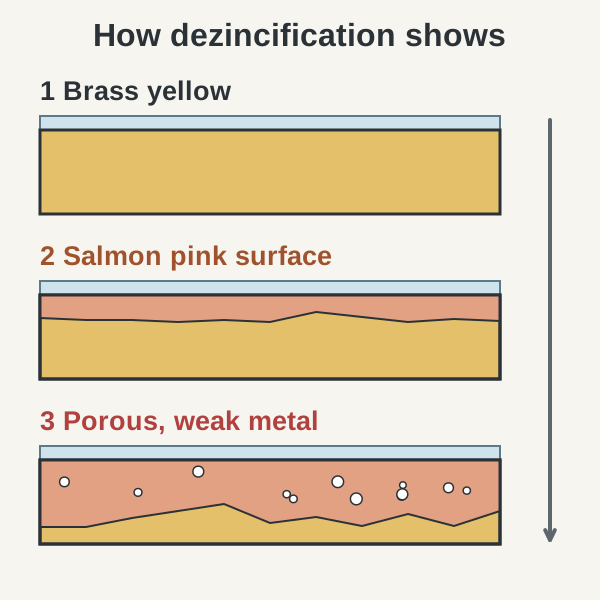
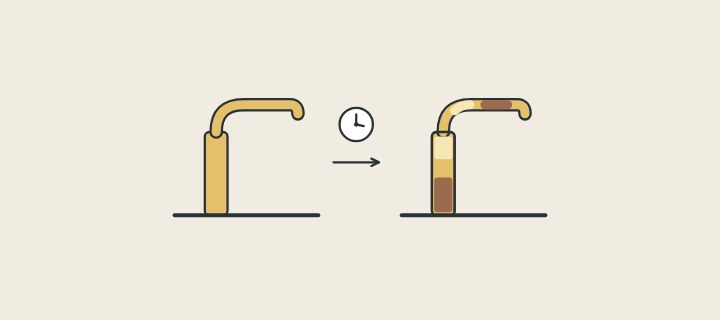
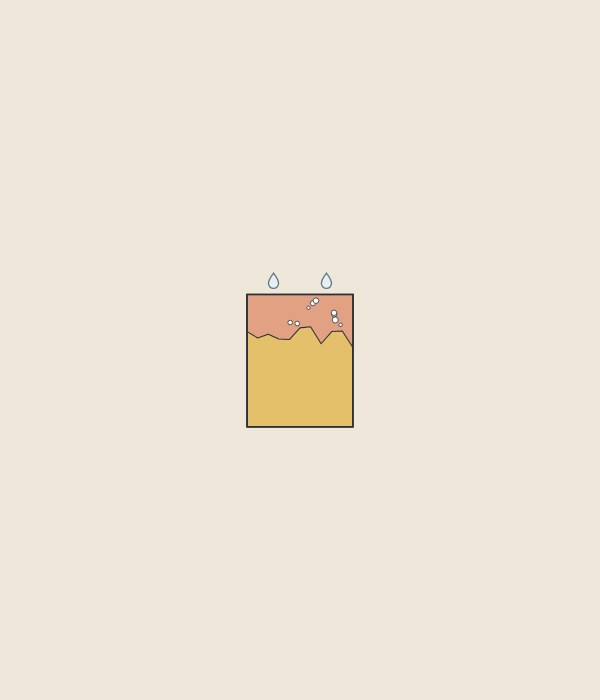
It starts with a color change and can end in weak, porous metal. The sequence follows the CCI note and MBIE’s guidance.
- Brass with more than 15% zinc is in contact with natural or treated water (MBIE).
- Zinc is lost and copper is left behind.
- The surface turns from brass yellow to the salmon pink of copper.
- The pink may turn reddish, then brown, if the surface copper corrodes.
- With more severe attack the metal becomes porous and weak.
CCI says dezincification usually occurs in relatively mild conditions, such as slightly acidic or alkaline solutions.
Which brasses are prone to dezincification?
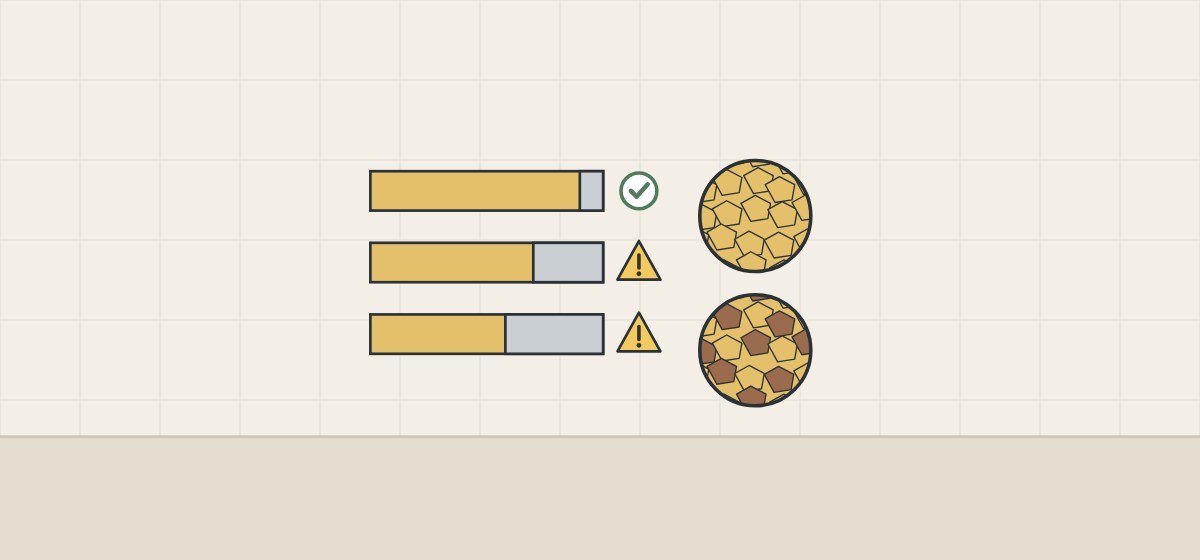
According to CCI and CDA, brasses with more zinc, and above all two-phase brasses, are the susceptible ones.
| Brass | What the source says |
|---|---|
| Under 15 wt% zinc | CCI: resists dezincification. |
| Over 15 wt% zinc | CCI: susceptible. |
| Alpha-beta (duplex), about 35% to 45% zinc (CDA’s range) | CDA: higher susceptibility. |
| Duplex brass | CCI: even more prone than alpha brass. |
| Tin brass, about 0.5 to 1 wt% tin | CCI: significantly more resistant than without tin. |
| Alpha brass with arsenic | CDA: often given a small arsenic addition for protection. |
CCI adds that 0.02 to 0.1 wt% of arsenic, antimony or phosphorus in tin brass protects further. Such additions do not show on the part; the designation may name them and a composition record gives the amount.
What do makers publish for named brass alloys?
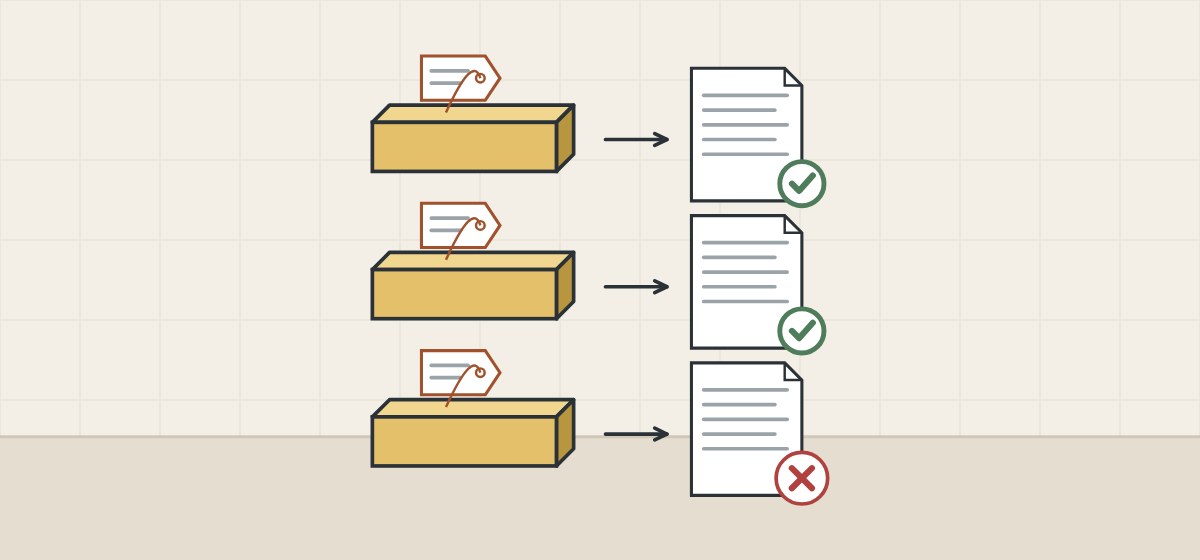
The sources cited here state resistance alloy by alloy.
| Alloy | Source | What the source says |
|---|---|---|
| CW511L (CuZn38As) | Nordic Brass | Resistant according to ISO 6509 and AS 2345-2006, appendix C. |
| 062 (CuZn38As) | Diehl Metall | Meets the requirements, under an ISO 6509 heading. |
| 415 (CuZn35Pb1,5AlAs) | Diehl Metall | Meets the requirements, same heading. |
| 002 (CuZn39Pb3) | Diehl Metall | Does not meet the requirements, same heading. |
| C27453, heat treated | Jomar Valve | Reports zero microns of dezincification depth. |
Jomar, a valve maker, attributes its figures to third-party ISO 6509 testing and reports depths above 200 microns for the non-heat-treated brass valves in the same comparison. Nordic Brass gives 0.02–0.08% arsenic for CW511L.
Which standards cover a dezincification test?
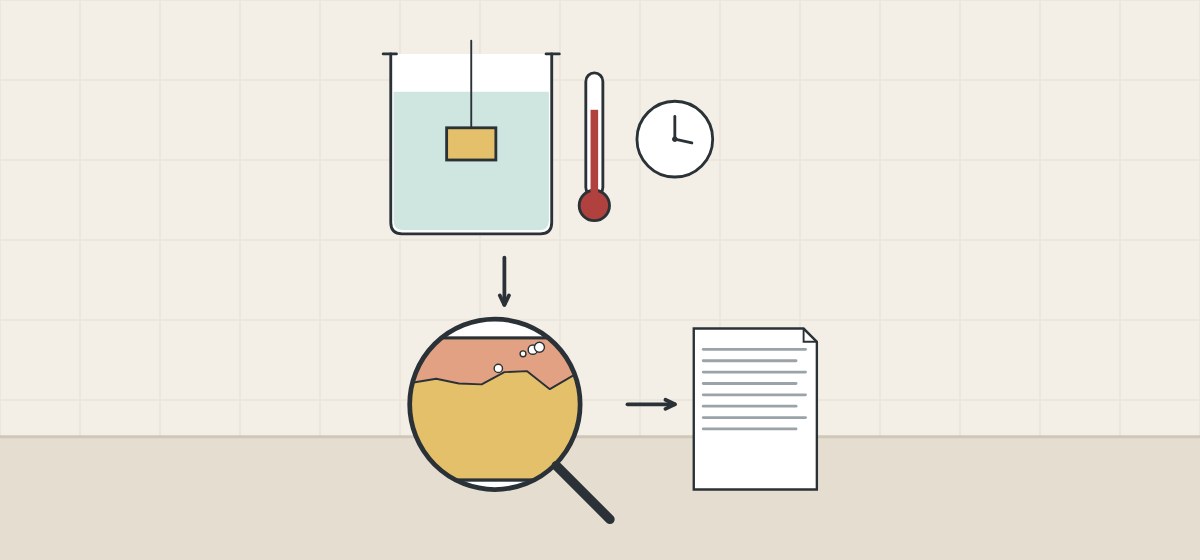
ISO splits the subject into a test method, ISO 6509-1, and assessment criteria, ISO 6509-2.
ISO 6509-1:2014
A method for determining dezincification depth of copper alloys with zinc exposed to fresh, saline or drinking water. Its abstract says it sets no acceptance criteria. ISO lists it as confirmed in 2024.
ISO 6509-2:2017
Assessment criteria, based on the Part 1 exposure test, for alloys with more than 15% zinc. Its abstract covers semi-finished and final products, such as fittings and valves.
Limits of ISO 6509-2
The abstract excludes complex products like flow-meters or pump parts, and says the document is not intended to validate dezincification after a failure.
Maker’s summary table
Wieland Chase lists the ISO 6509 exposure as 1% copper chloride (CuCl2) at 75 °C for 24 hours. Its table also names EN 12164 for rod; no depth figure is repeated here, and the standard itself must be read. A test report should identify five items:
- The standard, part and edition used
- The alloy designation of the specimen
- What the specimen was: bar, forging or part
- Its heat-treatment condition
- The depth measured and the criterion applied
Why does heat treatment belong in a DZR claim?
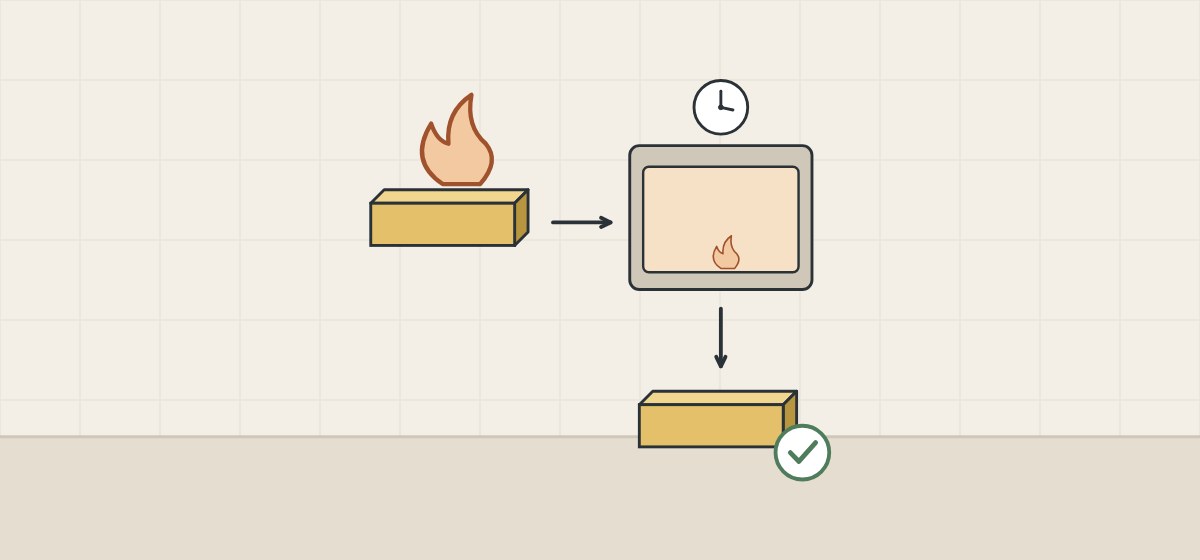
The sources tie resistance to processing as well as composition. Three statements:
Composition and heat treatment
The Copper Development Association says careful control of both gives a brass that can be hot forged and resists dezincification caused by some aggressive supply waters.
Hot processing can impair it
Diehl Metall says, for some of its alloys, that processing above 580 °C impairs dezincification resistance and that heat treatment at 550–580 °C for 2–3 hours is needed to restore optimum resistance.
A data-sheet line
Nordic Brass lists a DZR heat treatment of 500–550 °C for 1–2 hours for CW511L rod.
These temperatures and times belong to each maker’s own alloys. Ask in which condition the specimen was tested.
Is lead-free brass automatically DZR?
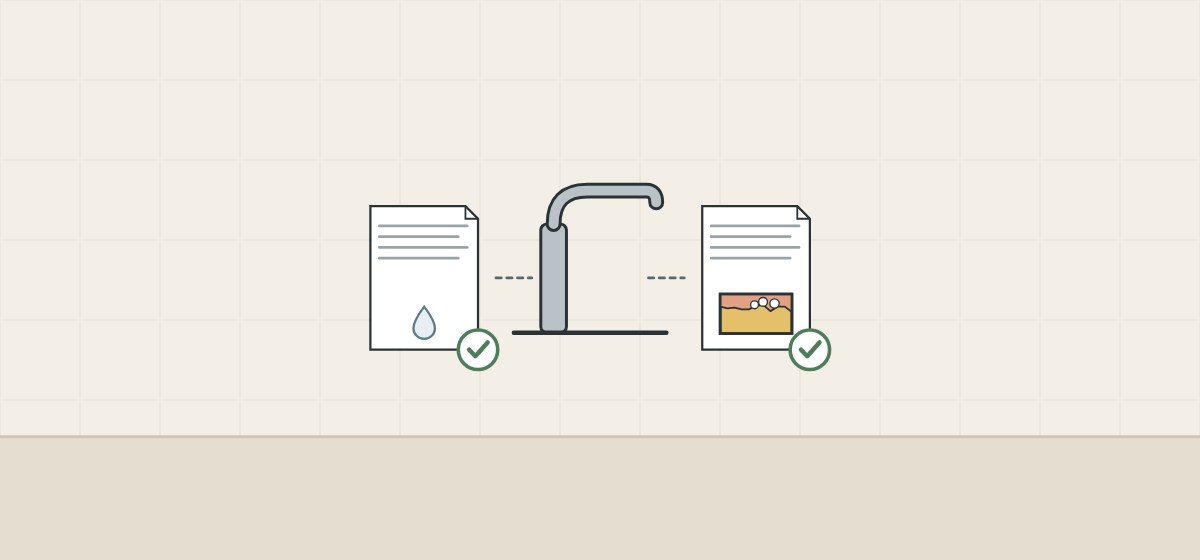
The sources used here do not treat it as automatic. The regulators cited define lead-free by lead content, and MBIE’s New Zealand guidance names separate evidence for dezincification resistance. Wieland Chase says that some of the newer lead-free brasses with more than 15% zinc are made dezincification resistant by an alloying element, thermal processing or both.
| Requirement | What the source names |
|---|---|
| Lead free, United States | EPA: not more than a weighted average of 0.25% lead across wetted surfaces. |
| Lead content, New Zealand | MBIE: no more than 0.25%; evidence includes certification marks or an accredited test report to NSF/ANSI/CAN 372:2020. |
| DZR, New Zealand | MBIE: copper alloy parts in contact with drinking water under hydrostatic pressure. |
| DZR evidence, New Zealand | MBIE: evidence includes a “DR” marking or an accredited test report to AS 2345:2006. |
How should a buyer trace a DZR claim to the part?
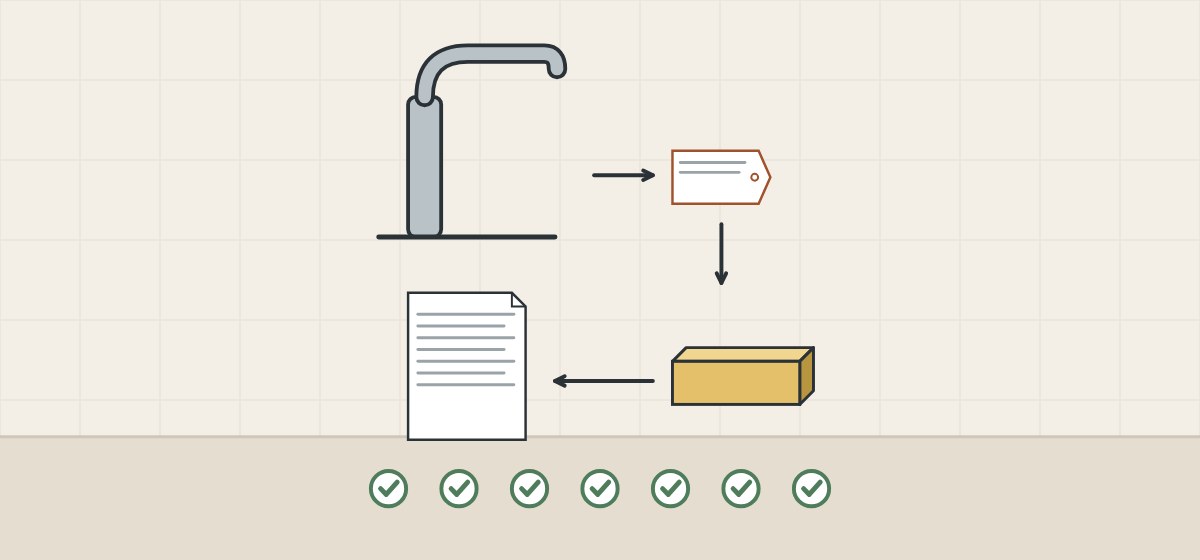
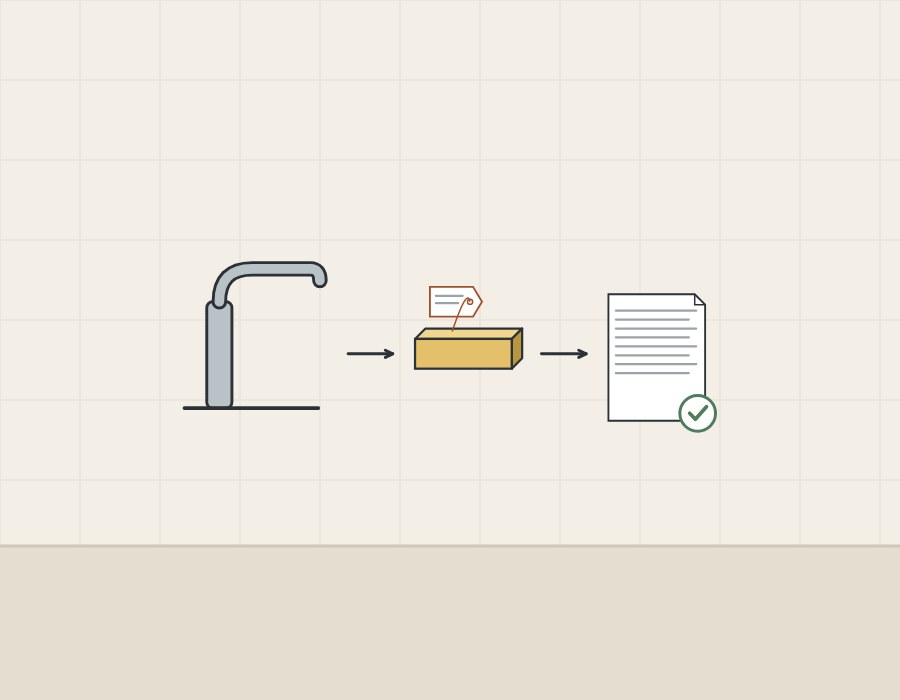
Work from the part back to the test. These steps are procurement guidance, not a metallurgical review.
- Name the component. Faucet body, connector or another wetted brass part.
- Get the alloy designation. A standard designation, not “DZR brass” alone.
- Ask for the composition record. It gives the actual arsenic or other inhibitor content.
- Ask for the process route. Any hot work, and heat treatment after it.
- Ask for the test report. Standard, edition, specimen, condition, depth, criterion.
- Link specimen to part. Same alloy and condition, or a stated relation.
- Check the market rule. Confirm with the local authority whether DZR is required.
When the claim cannot be traced
If the supplier cannot connect the claim to the offered component, record DZR as unresolved and ask for what is missing. Do not improvise an acid or destructive test; have a qualified reviewer assess the evidence.
What should you send and ask before a quotation?

A complete request names the part, the market and the evidence wanted.
| Question | Why it matters |
|---|---|
| Which alloy designation is the part made of? | Diehl lists it alloy by alloy. |
| Which test standard and edition was used? | Wieland’s table lists several standards. |
| What was the specimen? | ISO 6509-2 covers semi-finished and final products. |
| What heat treatment followed hot working? | Diehl: hot processing impairs it in some alloys. |
| Who tested it, under what accreditation? | MBIE names accredited test reports. |
| What supports the lead-content claim? | It is separate evidence. |
Include with your request
- The component and its water contact
- Destination market and any DZR rule
- Standard and criterion you require
- Whether a third-party report is needed
- Quantity and finish
WNS Global confirms any product and terms it offers separately in writing. This guide does not state that WNS Global products have the features, ratings or listings named above.