From construction to quotation
What is the difference between compact laminate and HPL-faced board?
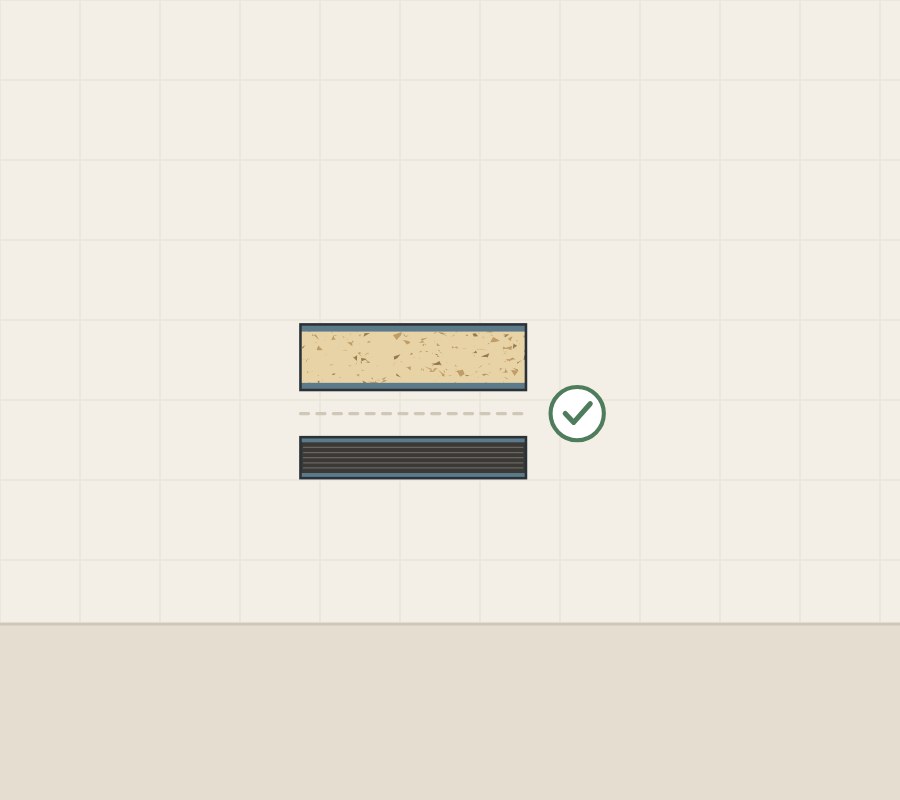
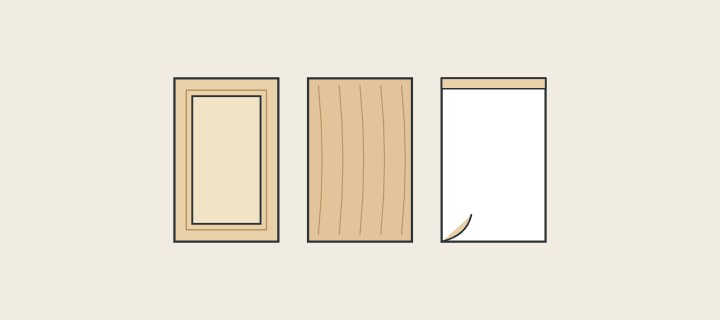
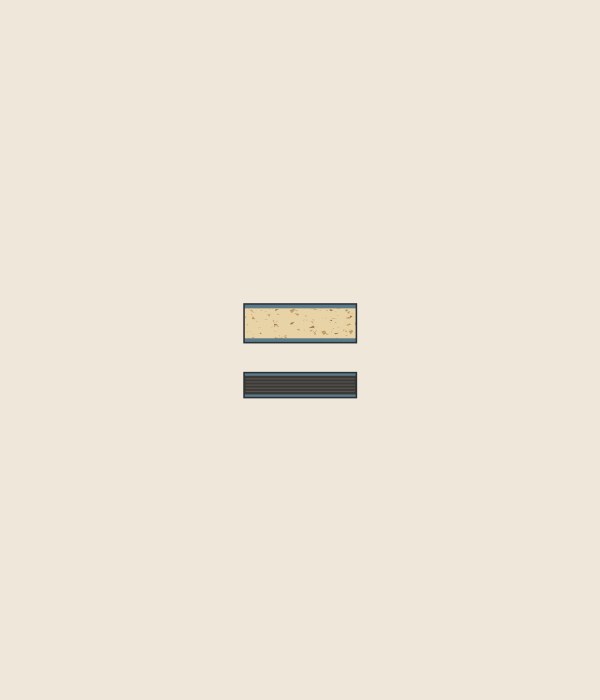
HPL-faced board is a thin laminate sheet glued to a separate core; compact laminate is a thick laminate sheet used as the panel. The composite panel data sheet of ICDLI, the laminate industry’s international committee, defines HPL composite panels as wood-based substrates faced on one or both sides with HPL.
Wilsonart says its thin laminate types are not structural material and must be bonded to a substrate. Formica calls Formica Compact a structural, two-sided laminate.
| Term | What it means |
|---|---|
| HPL-faced board | A wood-based core faced on one or both sides with thin HPL. |
| Compact laminate | Thick HPL; ISO 4586-4 covers 2 mm and greater. |
| Core | AWI: the panel material the surface material is applied to. |
| Backer | CPA: HPL produced without a decorative face. |
| Edgeband | AWI: material applied to an edge to cover the exposed core. |
What is each panel made of, from face to back?
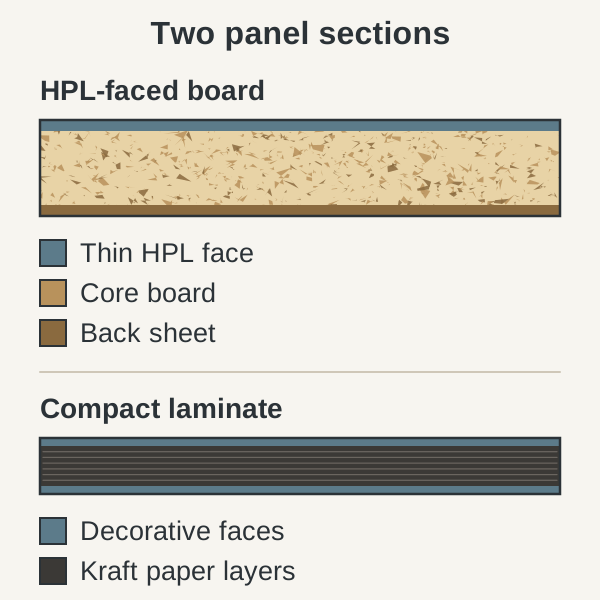
A faced board is several products glued together; a compact panel is one pressed sheet. The list follows ICDLI’s manufacturing leaflet, its composite panel data sheet and Laminex.
- Faced board, front: a thin HPL sheet with a decorative surface.
- Faced board, glue line: normally PVAc, PUR or amino resin adhesive, per ICDLI.
- Faced board, core: particleboard (ICDLI: chipboard), MDF, fiberboard or plywood.
- Faced board, back: HPL again where the board is faced on both sides.
- Compact panel, outside: a decorative layer on the top and the bottom, per Laminex.
- Compact panel, middle: multiple layers of resin-impregnated kraft paper.
Wilsonart describes its thin laminate and its compact laminate in the same terms: melamine-impregnated surface papers pressed over phenolic-impregnated kraft core sheets.
Which thickness and standard class does each one fall under?
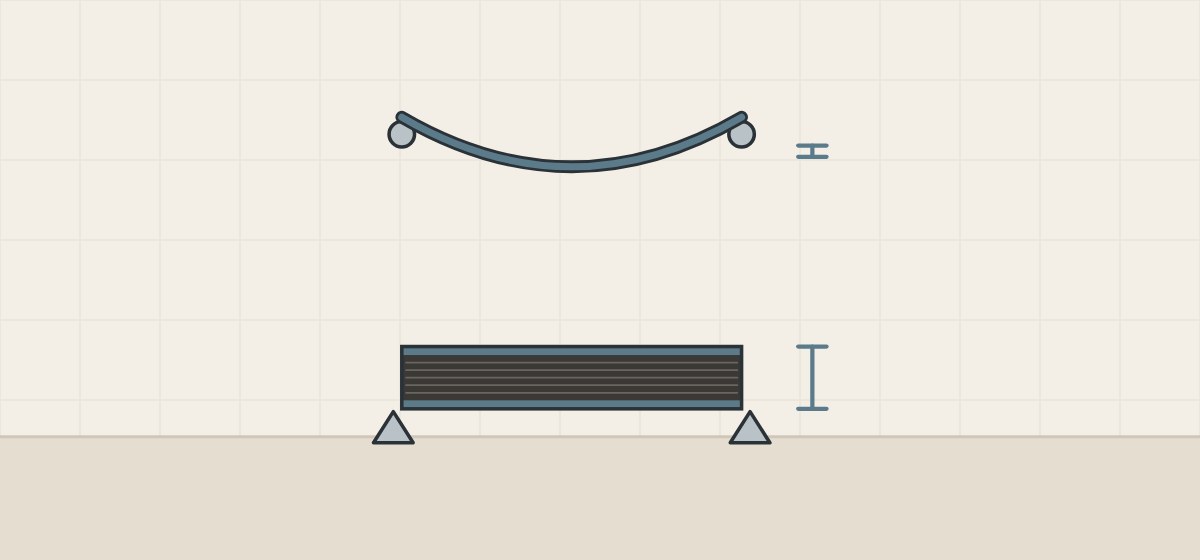
The dividing line in the ISO series is 2 mm. ISO 4586-3:2018 applies to laminates under 2 mm normally intended for bonding to supporting substrates; ISO 4586-4:2018 covers interior compact laminate of 2 mm or greater. ISO lists both as confirmed in 2022.
| Source and product | Thickness it gives |
|---|---|
| ISO 4586-3:2018, thin laminates | Less than 2 mm |
| ISO 4586-4:2018, compact laminates | 2 mm and greater |
| ICDLI manufacturing leaflet | Thin laminate (type letter T): under 2 mm |
| CPA, general purpose HPL | Typically 0.028 to 0.048 in |
| Laminex compact laminate | 6 to 18 mm |
| Wilsonart Compact Laminate, Classic grade | 1/10 in to 1 in |
Classed as compact does not mean self-supporting. ICDLI’s characteristics leaflet calls compact laminates of 6 mm or more self-supporting; its processing leaflet says sheets under 3 mm are typically bonded to rigid supports.
What does the edge of each panel show?
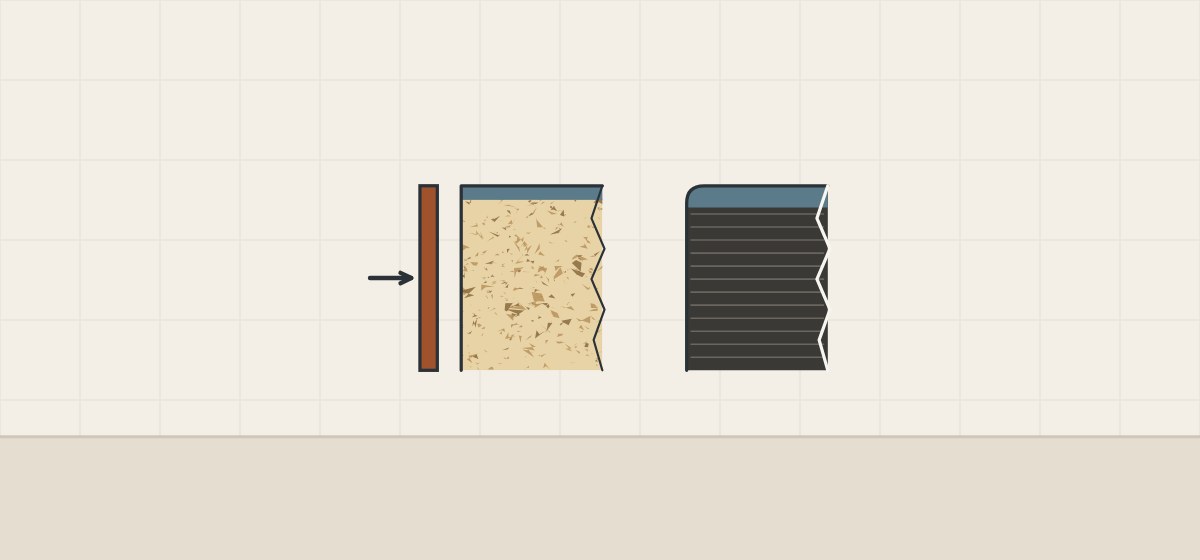
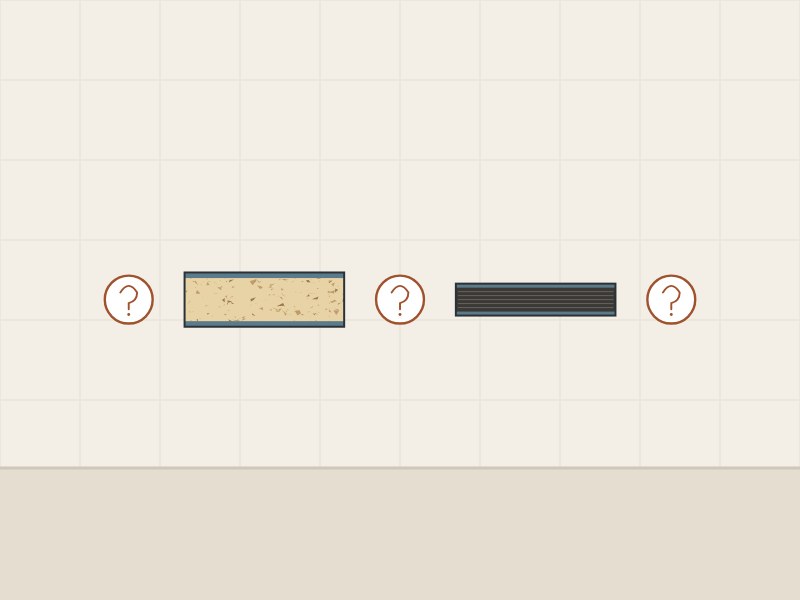
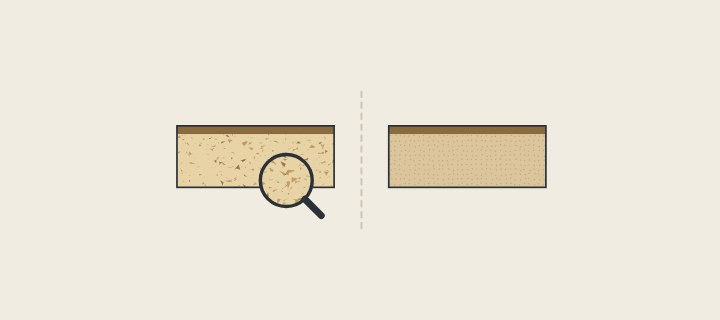
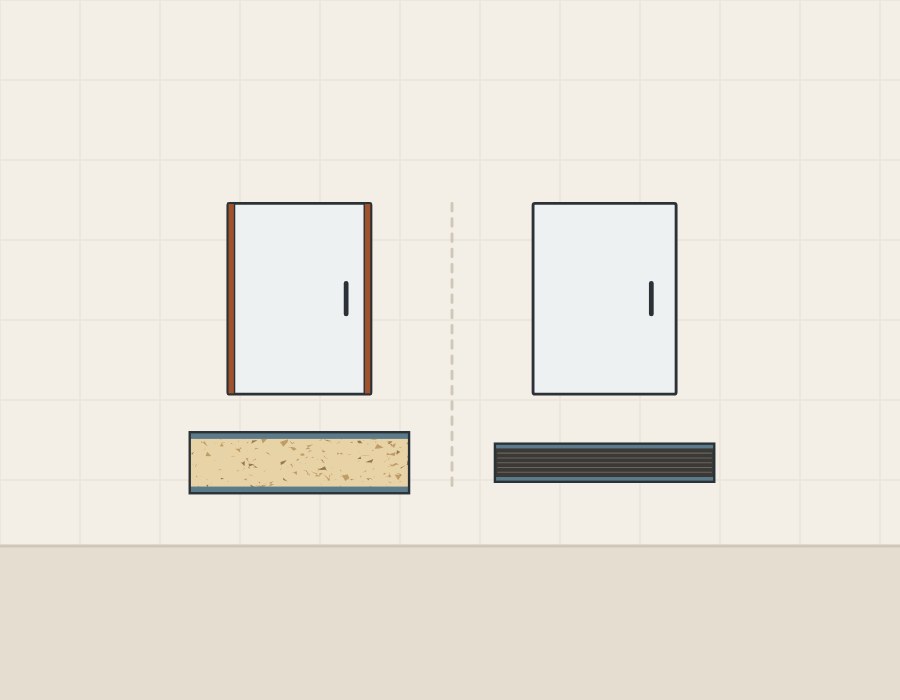
The edge shows the construction: a faced board shows its core, a compact panel shows more laminate.
| Point | HPL-faced board | Compact laminate |
|---|---|---|
| What a cut exposes | The core, which AWI says edgeband is applied to cover. | Kraft layers; Laminex describes a distinctive black edge. |
| Edge finish | Edgeband, or a formed edge: Wilsonart lists its Type 350 for formed edges. | Laminex: machined smooth; need not be edged. |
| Edge protection | Ask for the edgeband product and its bonding. | ICDLI: coating or painting is generally not required. |
EGGER says its compact laminates do not require any further edging. An edge approved on one panel type is not evidence for the other.
Why does the back of the panel matter?
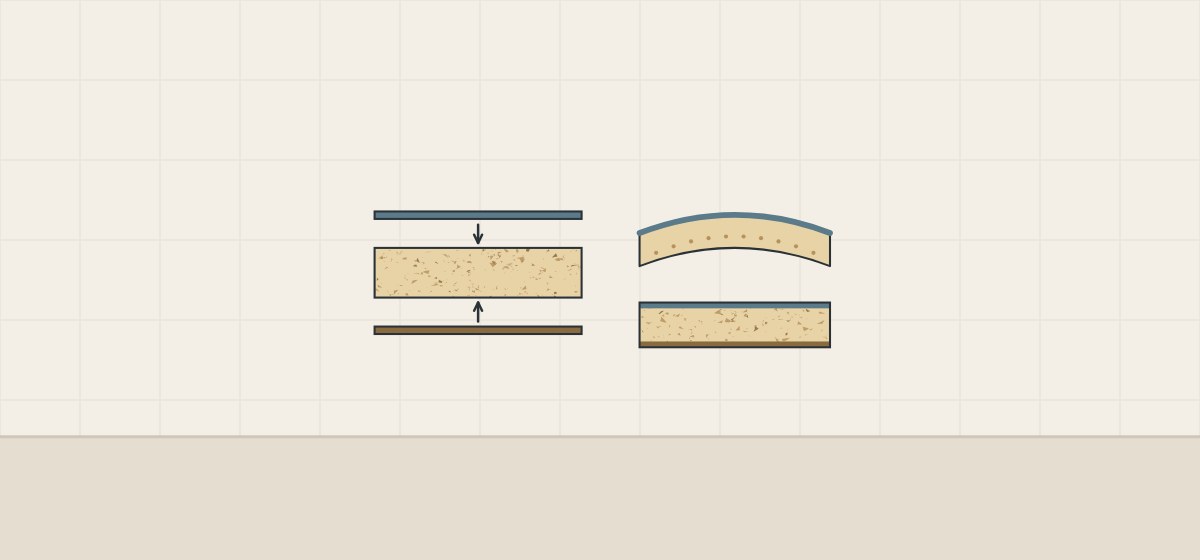
The back decides whether a faced board is balanced, and whether a compact panel is decorative on one side or two. Three source points, then this guide’s four items to record:
Backer on a faced board
Wilsonart makes phenolic backer sheets for the back of substrates faced with its HPL. It says they give the piece some balancing characteristics and added protection from humidity.
Balancing sheet
The AWI glossary defines a balancing sheet as one with properties equal to the opposing surface, laminated the same way to maintain the panel’s flatness.
Faces of a compact panel
ICDLI says one or both surfaces of a compact sheet are decorative. Wilsonart lists its Classic and Fire-Rated compact types as double faced, except two Classic types sanded on one side.
- Front laminate: maker, type and thickness
- Back sheet: laminate, backer or none
- Core board: product name and thickness
- Compact panel: one or two decorative faces
Do the same fasteners and cutouts work in both panels?
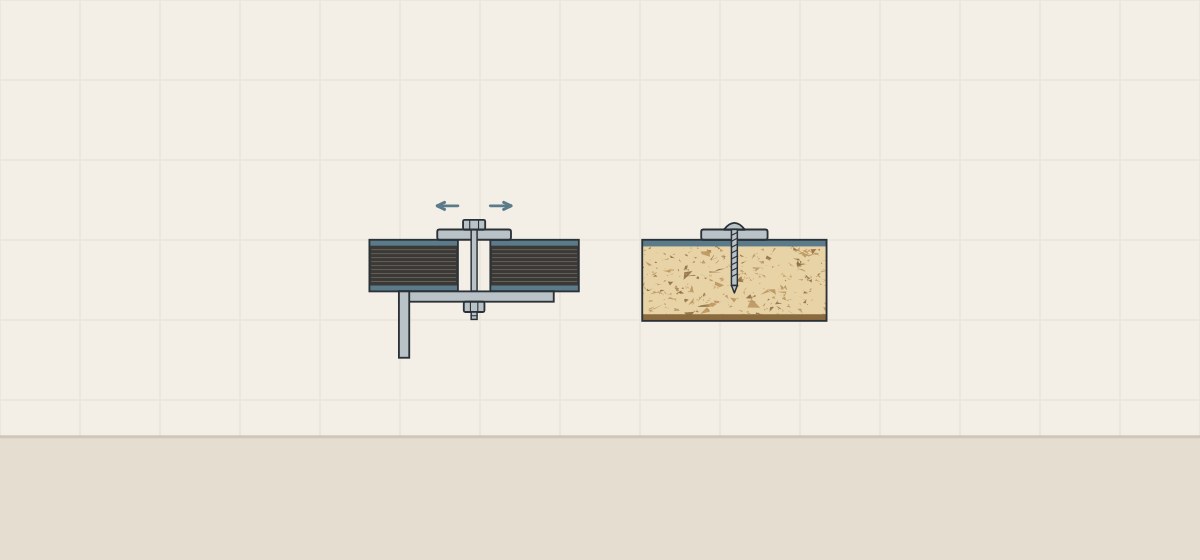
Not by default: makers and ICDLI give compact laminate its own fastening rules. Four source points:
Screws: a smaller pre-drilled hole
For self-tapping screws, ICDLI says pre-drilling is always necessary, with the hole one thread depth smaller than the outer screw diameter. Wilsonart specifies self-tapping machine screws in pre-drilled holes for objects mounted on the face or back.
Pass-through fasteners: room to move
ICDLI says compact sheets change slightly in dimension with the climate. For pass-through connections, it asks for holes 2 to 3 mm larger than the fastener.
Joining panels
Wilsonart recommends metal brackets or retaining clips to secure compact panels together and asks for care when screwing into the edge.
Inside corners
Wilsonart’s thin laminate data gives a minimum 1/8 in radius for all inside corners. Ask for the compact product’s own rule.
On a faced board, ask the core board and hardware makers for the fastening detail; Wilsonart says its thin laminate is not structural.
What do the sources say about moisture for each panel?
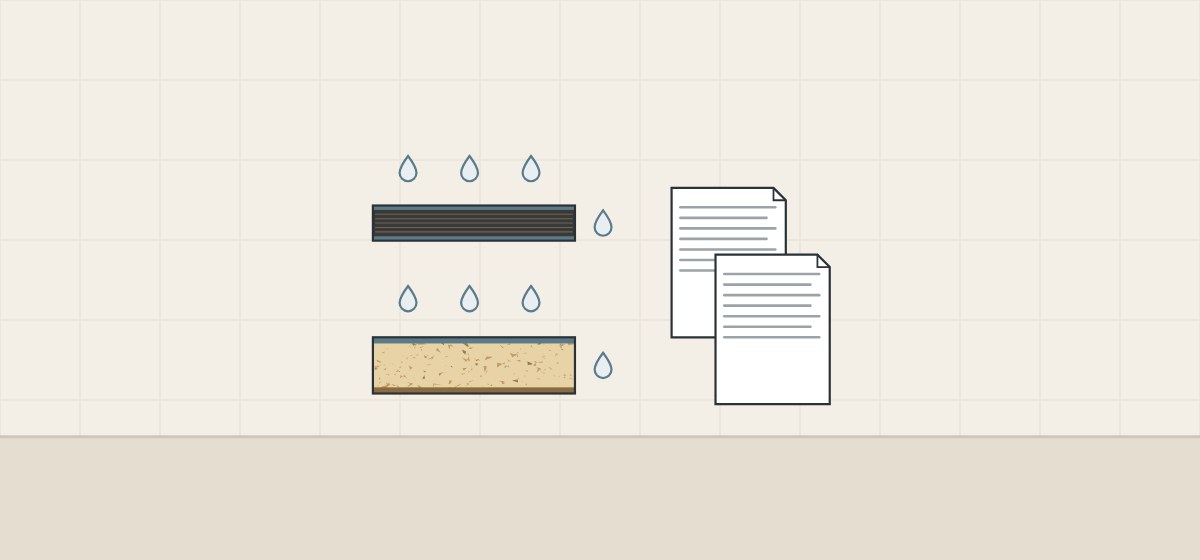
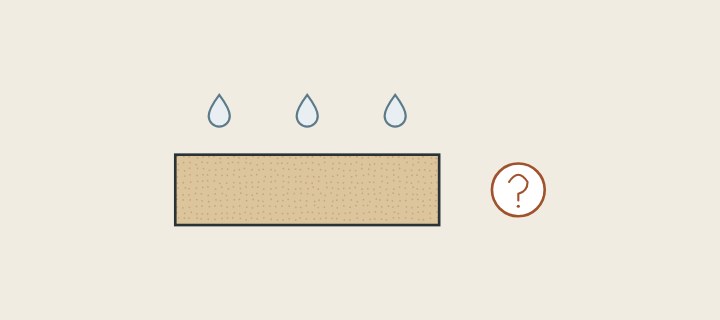
These statements are about named laminates. None is a rating for a finished vanity.
| Source and product | What it says |
|---|---|
| Formica, Formica Compact | Maker says it has high strength, impact, water and humidity resistance. |
| EGGER compact laminates | Moisture-resistant, for interior use; lists shower walls and furniture construction. |
| ICDLI, compact laminates | Especially high resistance to water and steam. |
| ICDLI, compact doors | Increased humidity or high temperature on one side can cause warping. |
| Wilsonart Compact Laminate | For interior applications; check properties for each application. |
| Wilsonart thin laminate | Interior use only; not for extremes in humidity for substantial periods of time. |
| Core board in a faced panel | Not covered above; ask for the core board maker’s data. |
How should a buyer compare two laminate quotes?
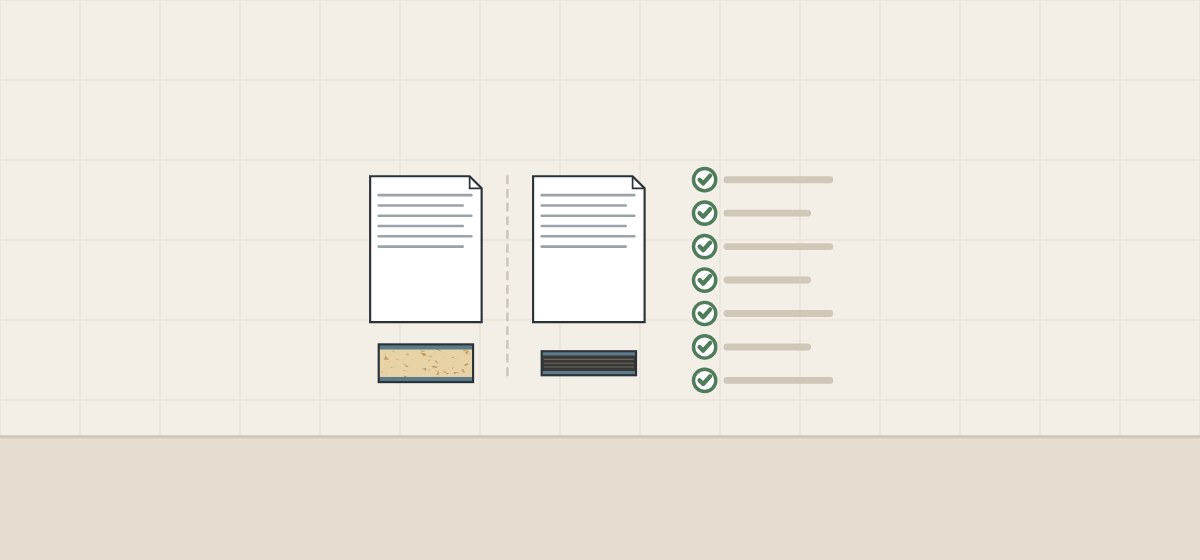
Compare the assemblies, not the word “laminate”. These steps are procurement guidance, not a performance recommendation.
- Name the construction. Thin HPL on a core, or compact laminate as the panel.
- List the layers. Face, core and back for a faced board; faces for compact.
- Record thickness per part. Laminate and total panel thickness differ.
- Specify the edge finish. Edgeband product, or machined compact edge.
- Review fasteners and cutouts. Hinges, slides, wall fastening and basin cutouts.
- Ask for the maker’s documents. Technical data and fabrication instructions.
- Keep a labeled sample. A cut piece that shows the edge.
When a quote only says “same laminate”
If a supplier cannot say what is under the decorative face, keep the item open rather than approve the substitution.
What should you send and ask before a quotation?
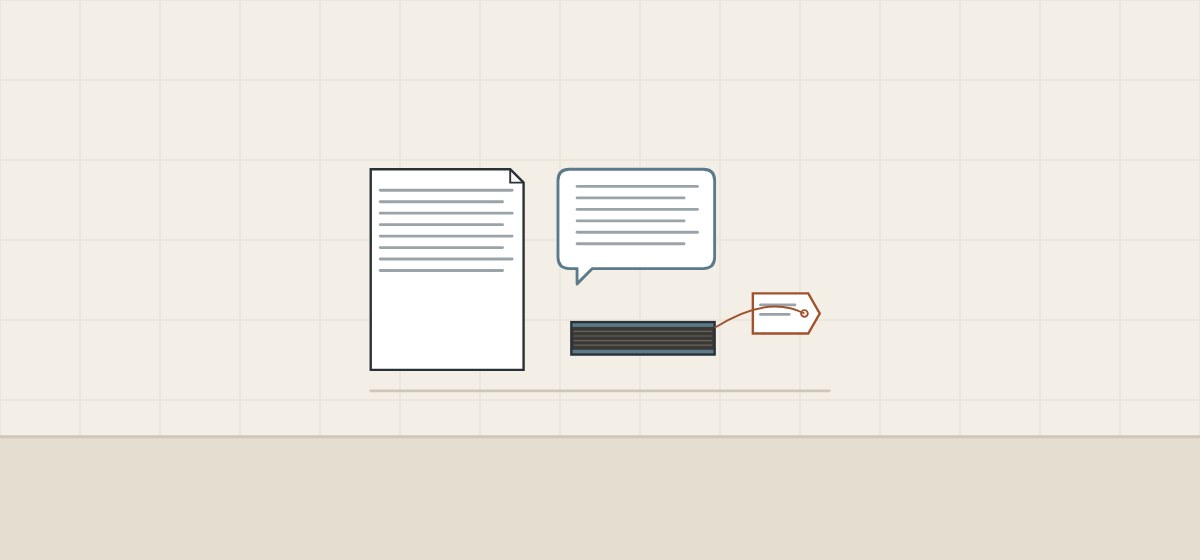
Name the panel construction, not just the color.
| Question | Why it matters |
|---|---|
| Is the laminate the face or the whole panel? | The two are different constructions. |
| Which core board is under the face? | Wilsonart and ICDLI name particleboard, MDF and plywood as cores. |
| What is on the back? | A balancing sheet relates to flatness. |
| What thickness is each layer? | ISO splits thin and compact laminate at 2 mm. |
| How is the exposed edge finished? | A faced board edge exposes the core. |
| Which fastening detail applies to this panel? | Compact laminate has its own drilling rules. |
This guide’s list for your request
- Both panel descriptions as quoted
- Cabinet drawing with affected parts marked
- Edge, cutout and corner details
- Hardware list and fastener positions
- Room type and quantity
WNS Global confirms any product and terms it offers separately in writing. This guide does not state that WNS Global products have the features, ratings or listings named above.