From identity to escalation
What can a production photo of a vanity actually prove?
A production photo can show visible features, the stage of work and how many units are on the floor, and only for an order it can be tied to.
That is less than an inspection. ASQ’s quality glossary defines inspection as a verification activity that compares measured or examined characteristics with specified requirements.
| Term | What it means |
|---|---|
| Inspection | ASQ: a verification activity, for example measuring, examining, testing and gauging characteristics and comparing the results with specified requirements. |
| Inspection lot | ASQ: a collection of similar units offered for inspection and acceptance at one time. |
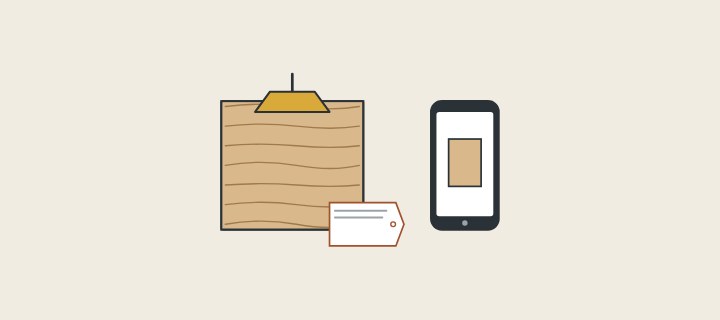
| Order card | This guide’s term: a card or label in the frame carrying the order reference. |
Which questions should you put to every photo set?
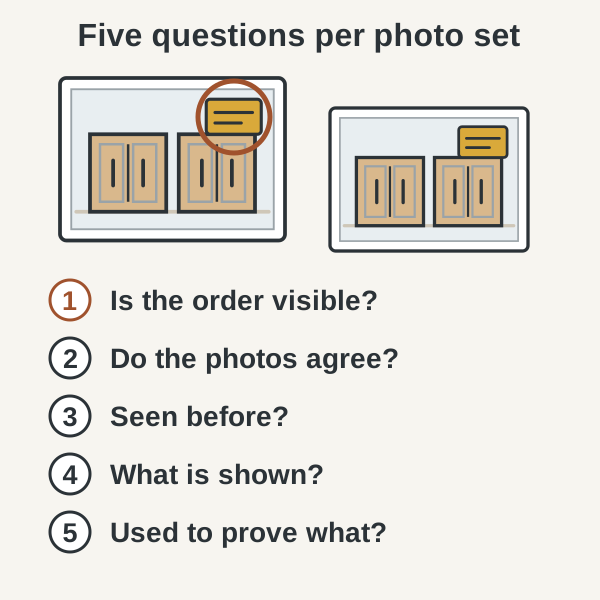
Put five questions to each set, in this order. They are this guide’s own routine, not a published standard.
- Can you see the order? Look for an order card in the frame, or features only your order has: sizes, drawer layout, handing, finish.
- Do the photos agree with each other? The same finish, the same handles, a unit count that fits the stage.
- Have you seen it before? Recurring backgrounds or studio lighting are worth a question.
- What does the picture actually show? Visible features, stage of work, quantities.
- What is it being used to prove? For hidden construction, species or durability, a photo is the wrong evidence.
The ISO 9001 Auditing Practices Group’s guidance on remote audits says that when video is used to watch live images of remote sites, it is important that the organization demonstrates the veracity of the images.
What can each kind of evidence show, and what can it not?
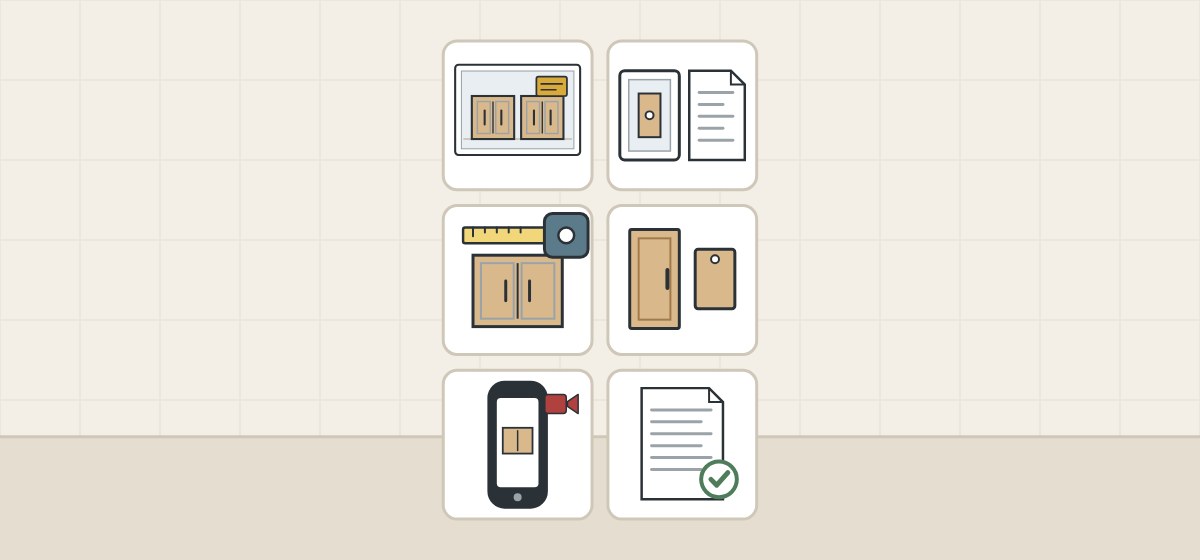
Each kind of evidence answers one question and leaves others open. The table is this guide’s own.
| Evidence to ask for | What it can establish | What it cannot establish |
|---|---|---|
| Wide shot with order card and unit count | Units exist for this order at this stage | Their construction or finish quality |
| Close detail beside the approved drawing | A visible feature matches the drawing | That every unit has it |
| Tape measure in frame on a key dimension | That dimension on that unit | Other units or tolerances |
| Finished door beside the approved sample | A rough sense of color | True color, which needs the physical sample |
| Live video directed by the buyer | What the buyer asks to see, in real time | Anything hidden inside the cabinets |
| Third-party inspection report | Findings on a defined sample | Units outside the sample |
Even genuine photos of your order are partial: they show the faces the camera saw. Keep them as progress records and as leads for questions.
Which vanity properties can a photo never settle?
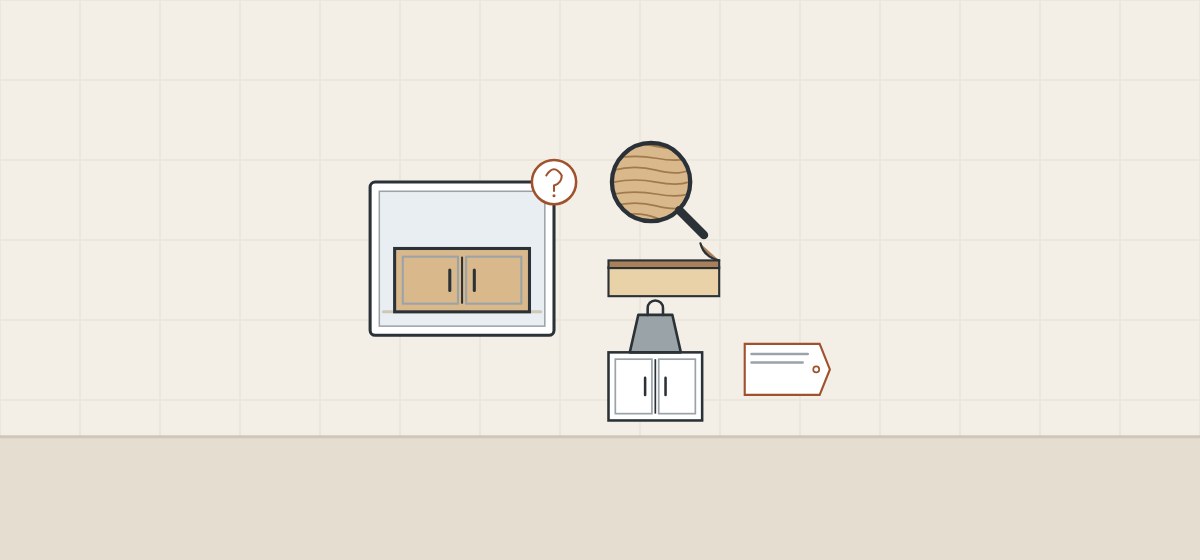
Species, what lies under the face, performance and emission paperwork all sit outside a picture. Each row names a published source.
| Property | Named source | What that source says |
|---|---|---|
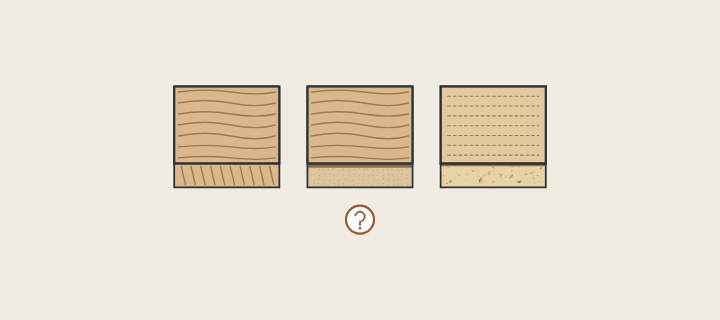
| Wood species | USDA Forest Products Laboratory | Identifying lumber species has historically depended on wood anatomy seen under a microscope; closely related species often cannot be reliably told apart by anatomy alone. |
| Solid or veneered | Decorative Hardwoods Association | Veneer is typically a very thin hardwood sheet, usually thinner than 1/8 in, applied to another surface. |
| Performance | Kitchen Cabinet Manufacturers Association | Its certification tests include doors opened and closed through a full 90-degree swing for 25,000 cycles, and mounted wall cabinets and wall-hung base cabinets gradually loaded to 600 lb. |
| Panel emission label | US EPA, TSCA Title VI | Under this US rule, a finished-goods label carries the fabricator’s name, the month and year of production and a compliance statement. |
A photo of a label shows that a label exists. Whether any of these documents applies to your order depends on the contract and the market.
Can you judge finish color from a production photo?
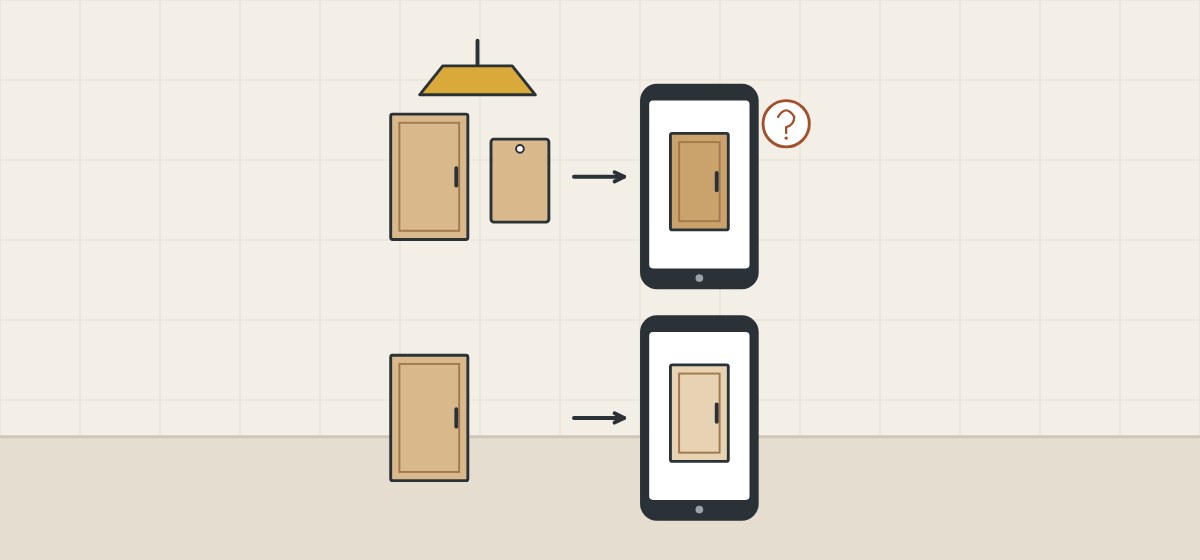
Only roughly. Use photos to spot an obvious mismatch, then compare the physical sample with a finished unit or a door sent by courier. Two published points:
Camera color error
A NIST study of digital-camera images observed substantial color errors, depending on the measurement conditions. Its conditions were chosen to simulate telemedicine, not a workshop.
Color is appraised under set conditions
ASTM D1729-22 specifies equipment and procedures for visual appraisal of the colors and color differences of opaque materials that are diffusely illuminated. For a color photo, this guide’s own request is:
- A finished door beside the approved sample
- The same light on both
- No filter and no editing
How can you check whether a photo was reused or when it was taken?
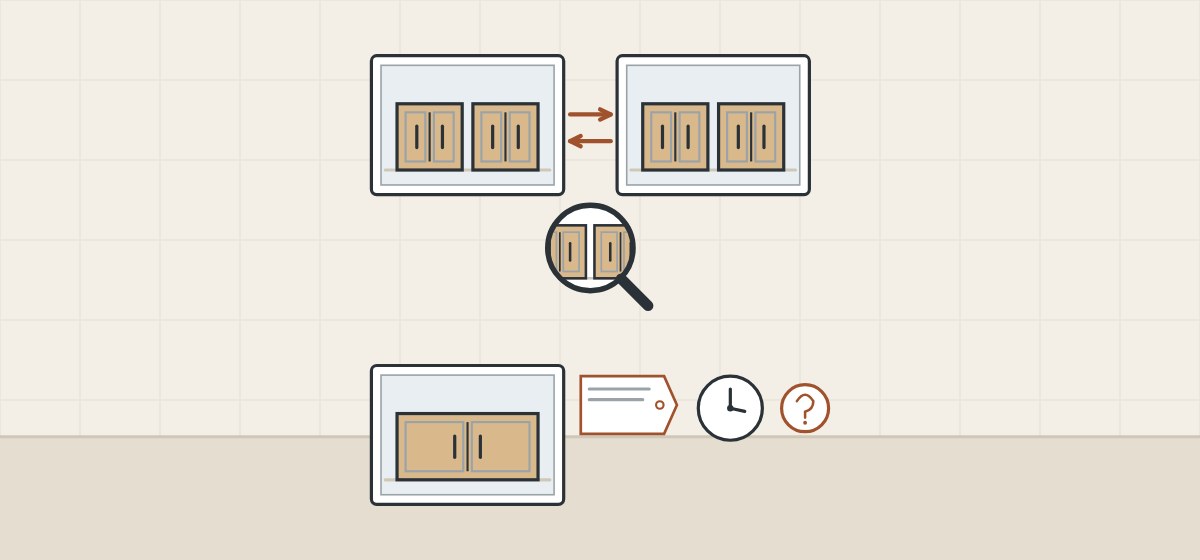
A reverse image search and the file’s metadata both help, and neither is proof. Two points:
Reverse image search
Google says the results of searching with an image can include similar images and websites with the image or a similar image. A match is a reason to ask again.
Metadata
IPTC calls its Photo Metadata standard the industry standard for administrative, descriptive and copyright information about images. It names removal of rights information as images are transferred as a concern.
Treat a timestamp or missing metadata as supporting information only. An empty search result shows that no match was found, not that the picture is new.
When should you move to live video or a third-party inspection?
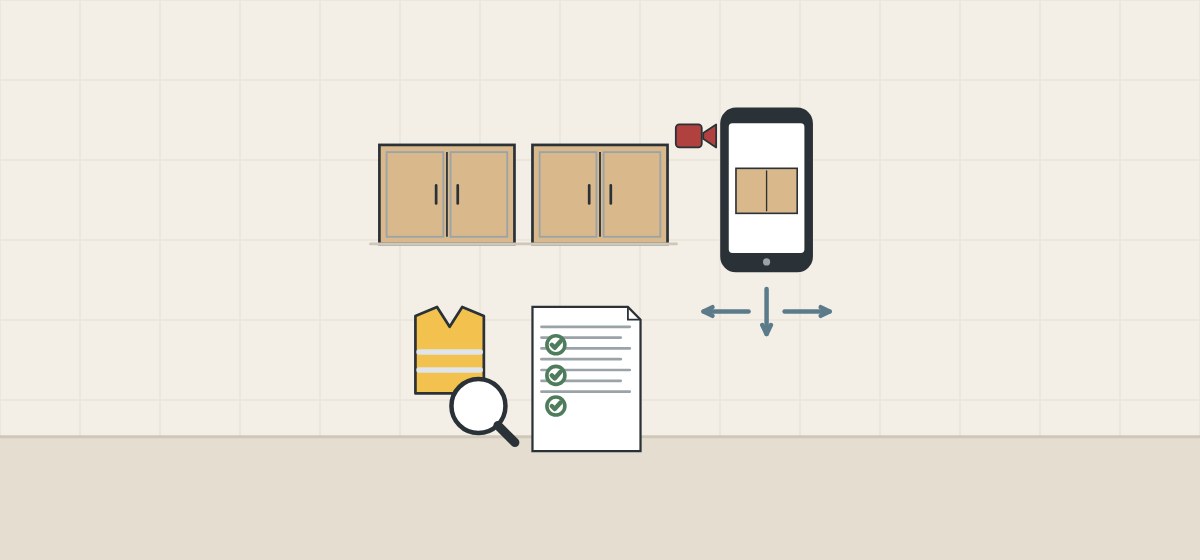
Move on when photos cannot answer a question, when identity is uncertain, or before a payment gate on a first order. None of the documents below was written for supplier photos.
| Source | What it says |
|---|---|
| ISO 9001 Auditing Practices Group, remote audits (2020) | In a video call, free observation is weakened because the auditor does not command the camera. |
| International Code Council | Defines a remote virtual inspection as a method in which the owner or contractor is on the jobsite and the inspector performs the inspection remotely. |
| ISO/IEC 17020:2026 | Requirements for the competence, impartiality and consistent operation of inspection bodies. |
How do you write a shot list a supplier can follow?
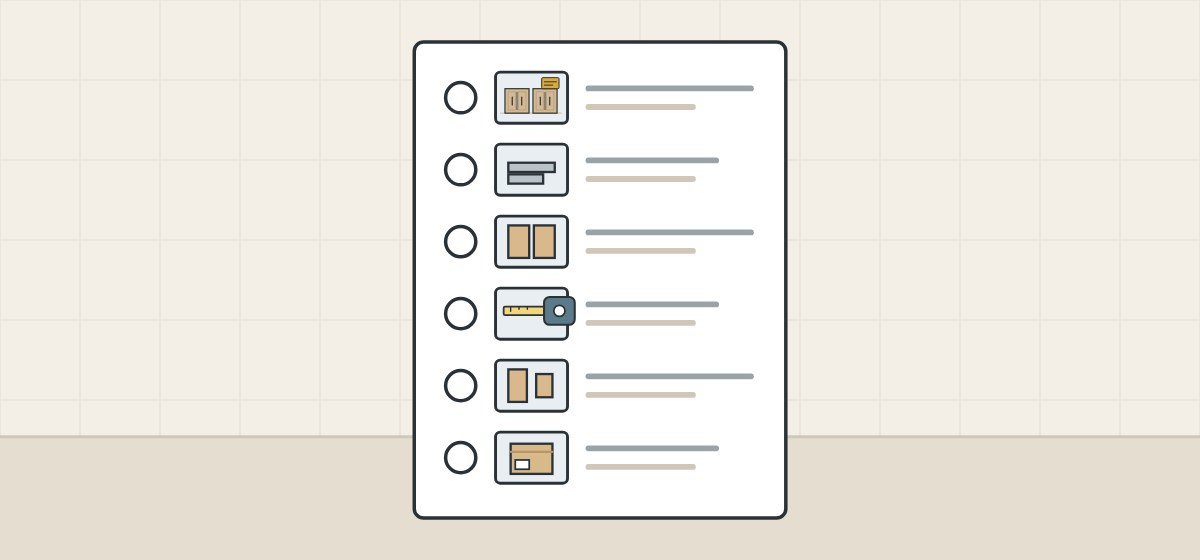
Keep it short and numbered, one purpose per shot. Six shots answered well tell you more than a gallery.
- Wide identity shot. All units at the current stage, with the order card in the frame.
- Drawer slides. One close shot on a named unit.
- Door gaps. One close shot on the same unit.
- Tape measure. Across the cabinet width, scale readable.
- Color comparison. A finished door beside the approved sample, in daylight.
- Packing. Packed cartons with labels showing room and unit.
Habits that make photos worthless
Five habits waste a photo set: accepting styled room images, which are marketing; asking for “more photos” instead of sending a list; judging color on a phone screen; letting one perfect close-up stand for all units; and letting a photo settle a construction claim.
What should you agree on with the supplier before production starts?

Agree on the photo routine in the order documents, before the first picture is sent.
| Question | Why it matters |
|---|---|
| Will an order card appear in every wide shot? | Identity comes before content. |
| Who directs a live video call? | Audit guidance: observation is weaker when the viewer does not command the camera. |
| Which sample is the color reference? | The NIST study found camera color errors. |
| Is an inspection planned, on what sample? | A report covers only its sample. |
| How is a deviation in a photo handled? | Decide before more units are built. |
This guide’s list to send with your order
- Approved drawing and finish sample reference
- Numbered shot list for each stage
- Order reference to appear on the card
- Payment and acceptance gates
Keep acceptance tied to the gates you planned, not to a gallery. WNS Global confirms any product and terms it offers separately in writing. This guide does not state that WNS Global products have the features, ratings or listings named above.