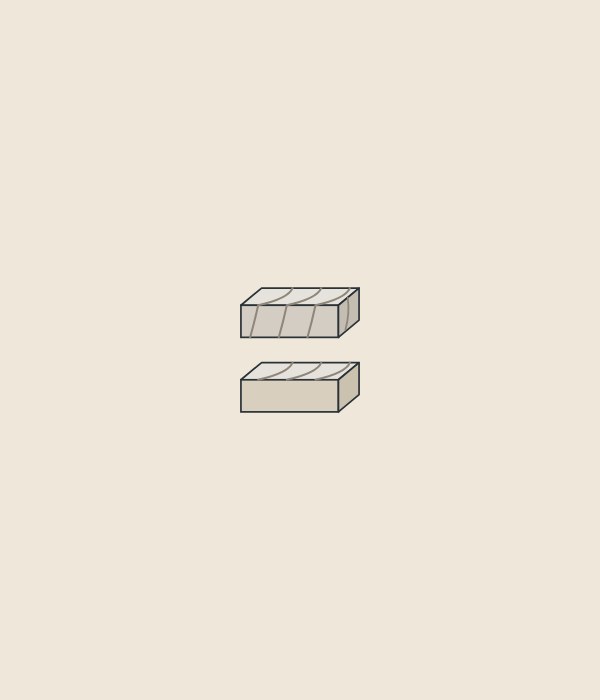
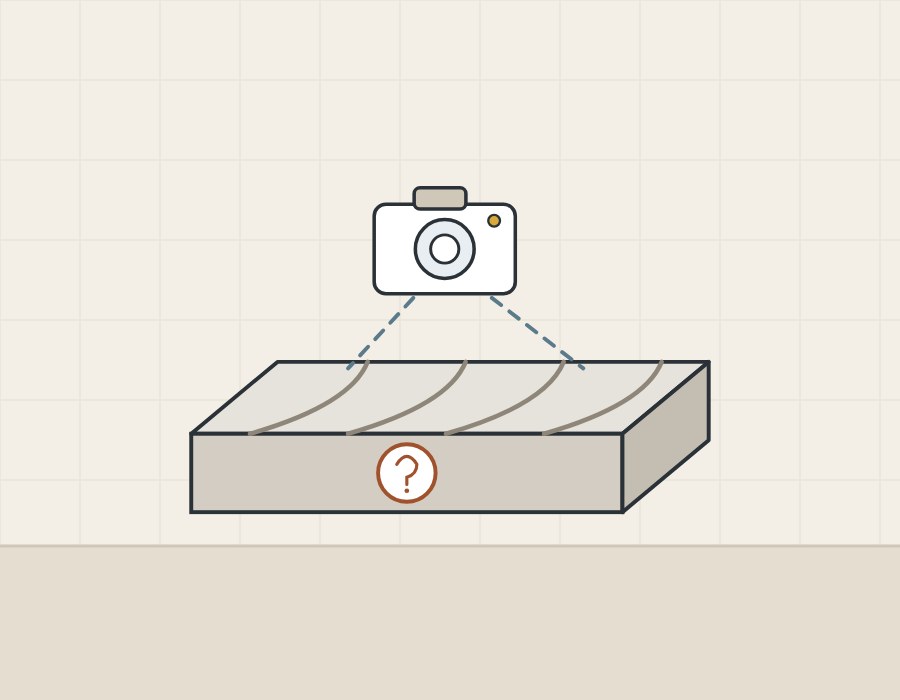
From slab body to approved edge
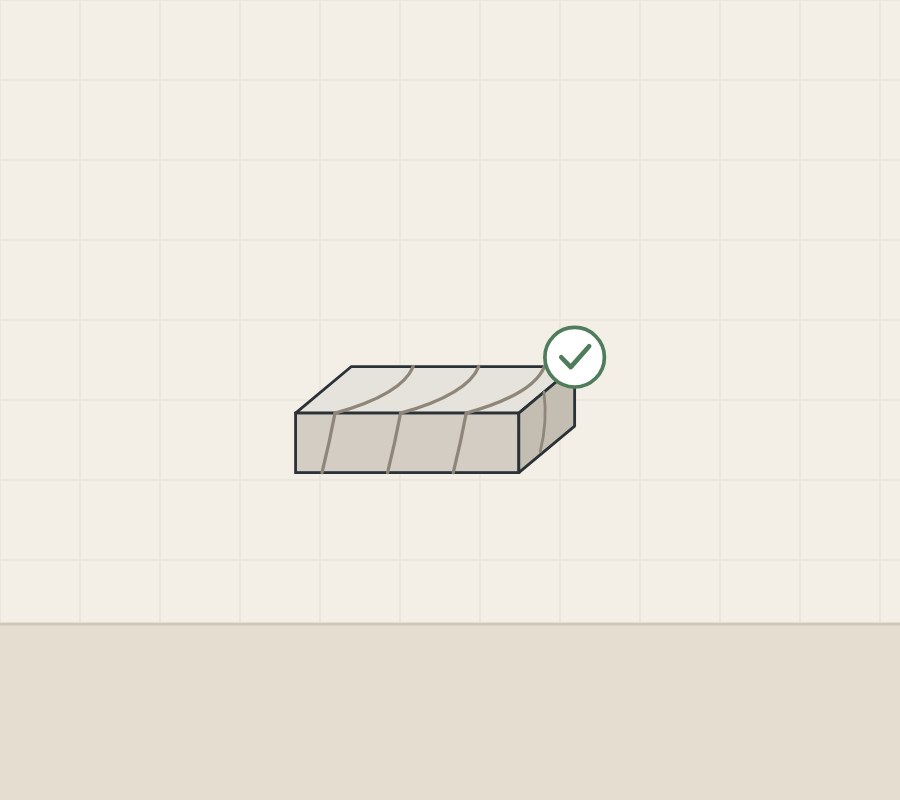
What does through-body veining mean on a slab?
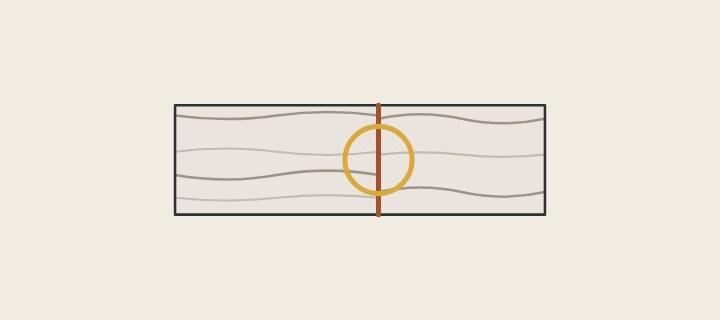
Through-body veining means the vein pattern is made through the thickness of the slab, not only on its face. Atlas Plan says the vein pattern in its Natura-Vein Tech slabs is reproduced through the full thickness, and Neolith says the design of its Iconic Design collection runs through the entire volume.
Cosentino’s Dekton technical manual (marked V6, 2014) says its decorative effects can be produced throughout the thickness of the slab or just on the surface.
Neolith writes of sintered stone, Atlas Plan and Laminam of porcelain stoneware; the term describes how one design is made, not a material class.
| Term | What it means here |
|---|---|
| Body | The material behind the face, seen at a cut; SapienStone’s FAQ calls it the base. |
| Through-body vein | A vein made through the thickness (Atlas Plan’s term). |
| Base color | A body colored like the face, without the vein. |
| Straight edge | Per Laminam, the finish that displays the slab edge. |
Where does a finished top expose the slab body?
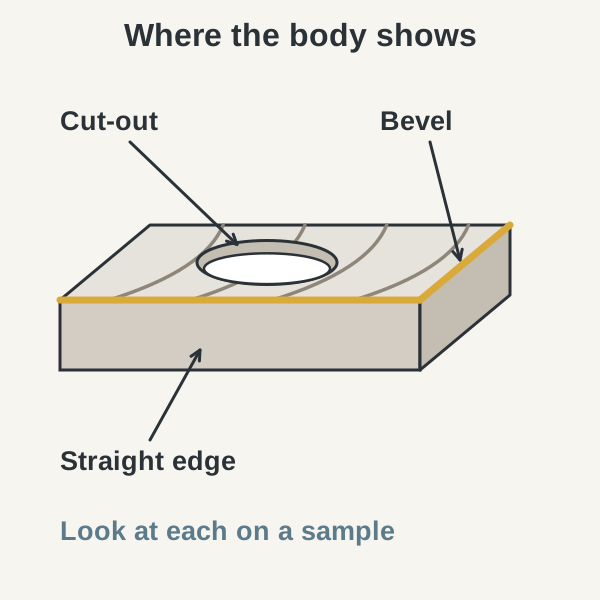
A finished top exposes the body wherever the slab is cut and the cut stays in view. Named makers describe these places on their own slabs:
- Straight edge: Laminam says this finish displays the edge of its 12+ and 20+ slabs.
- Flat edge: Crossville says it keeps the body edge of its slab visible, and ends it with a chamfer of at least 2-3 mm.
- Bevel: Laminam suggests one of at least 2 mm on the edge.
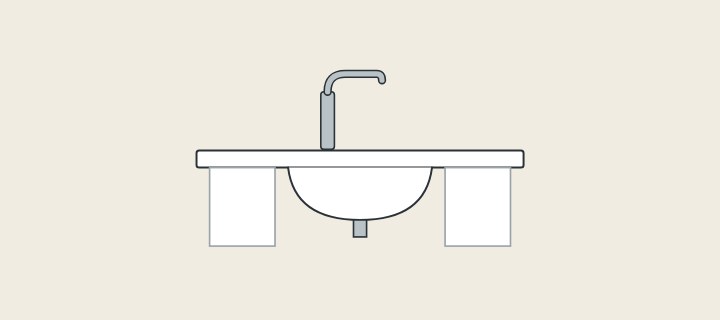
- Cuts and holes: Laminam names cutting, drilling and edging when it describes IN-SIDE continuity.
The figures are from Laminam’s technical guide and Crossville’s fabrication guide, each for that maker’s own slabs.
Which makers describe through-body veining, and for which products?
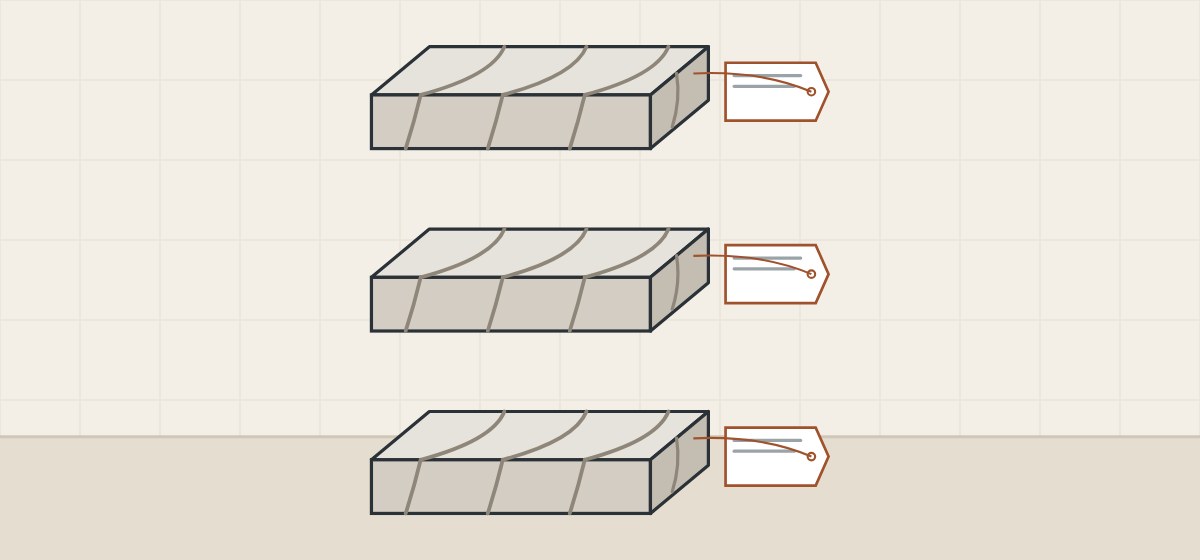
Four makers describe it for a named collection, technology or thickness; Laminam describes body and surface continuity for its IN-SIDE finishes, and Cosentino’s manual speaks of decorative effects in general:
| Maker | Named product | What the maker says |
|---|---|---|
| Neolith | Iconic Design: Victoria and El Estatuario | Design visible on the surface and on the edges; both listed in 20 mm. |
| Atlas Plan | Natura-Vein Tech | Vein pattern through the full thickness; can also be applied to 20 mm slabs. |
| SapienStone | Through veins | Surface pattern continued in the base; used on marble-inspired designs such as Calacatta, and the Basalto series. |
| Laminam | IN-SIDE finishes | Body and surface continuity after cutting, drilling and edging. |
| Daltile | 2cm slabs | Veining through the entire slab; edges need no mitering for the look. |
| Cosentino | Dekton | Decorative effects made through the thickness or just on the surface; no colors named (2014 manual). |
A statement about a named collection does not cover a maker’s whole range, or sintered stone in general.
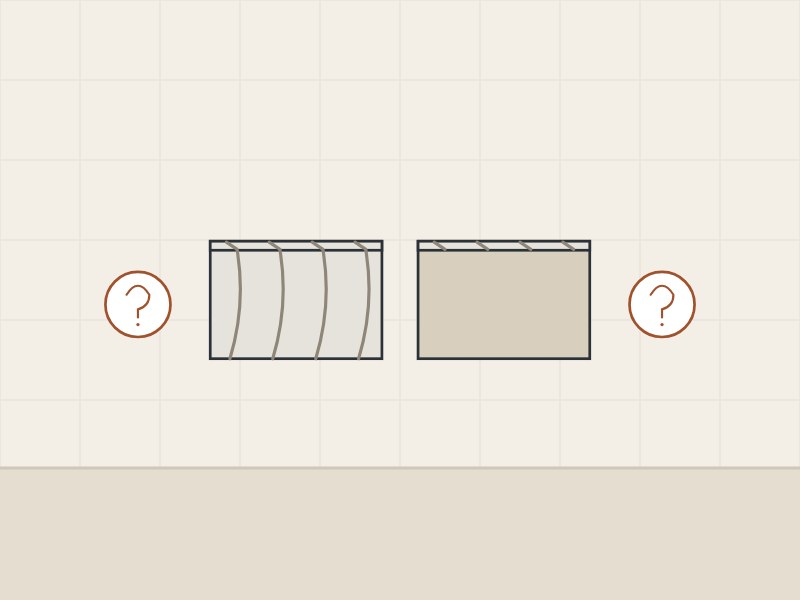
What does the edge show when the vein is only on the face?
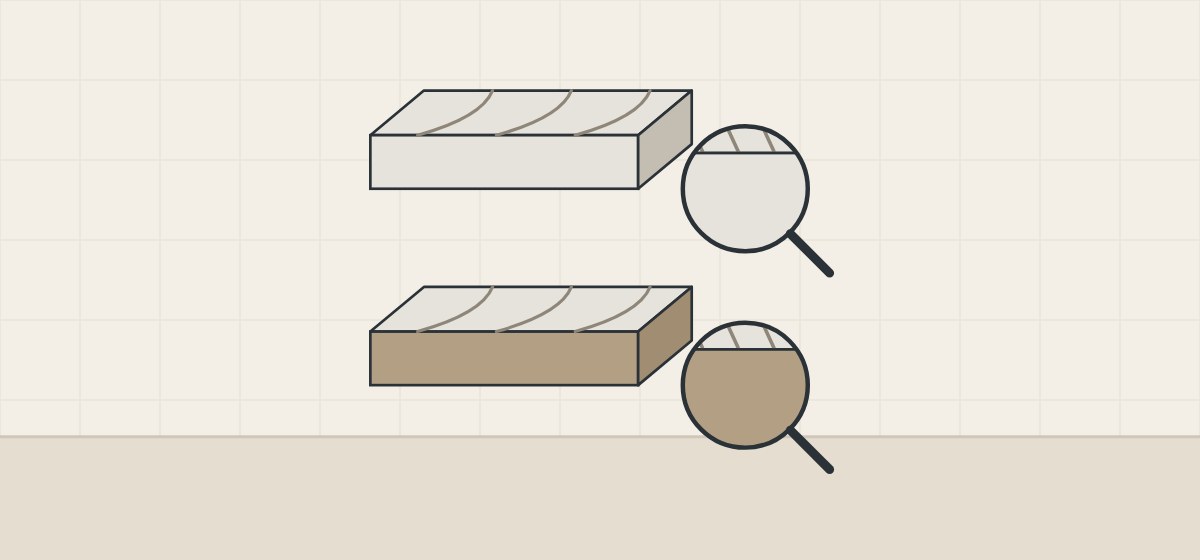
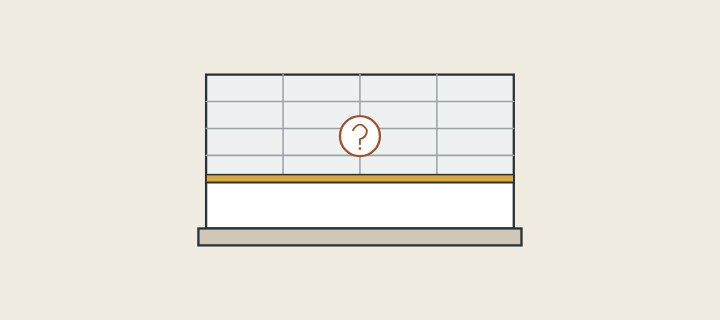
The edge then shows the body of the slab without the vein. Three sources describe it:
| Source | What it says |
|---|---|
| Daltile, 12mm slabs | The veining does not run through the body; edges are mitered so the pattern can wrap. |
| SapienStone, colors without through veins | The base is the same color as the surface. |
| Use Natural Stone, manmade countertops | Typically thinner formats; edges do not have the same texture and pattern as the surface. |
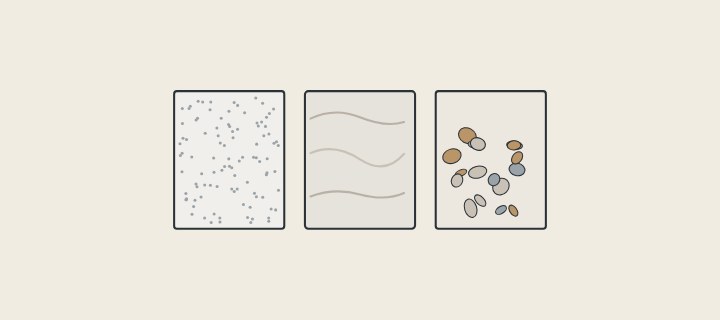
A base color that matches the face is not a continuing vein: SapienStone lists the two as separate cases.
Which edge details show the slab section, and which cover it?
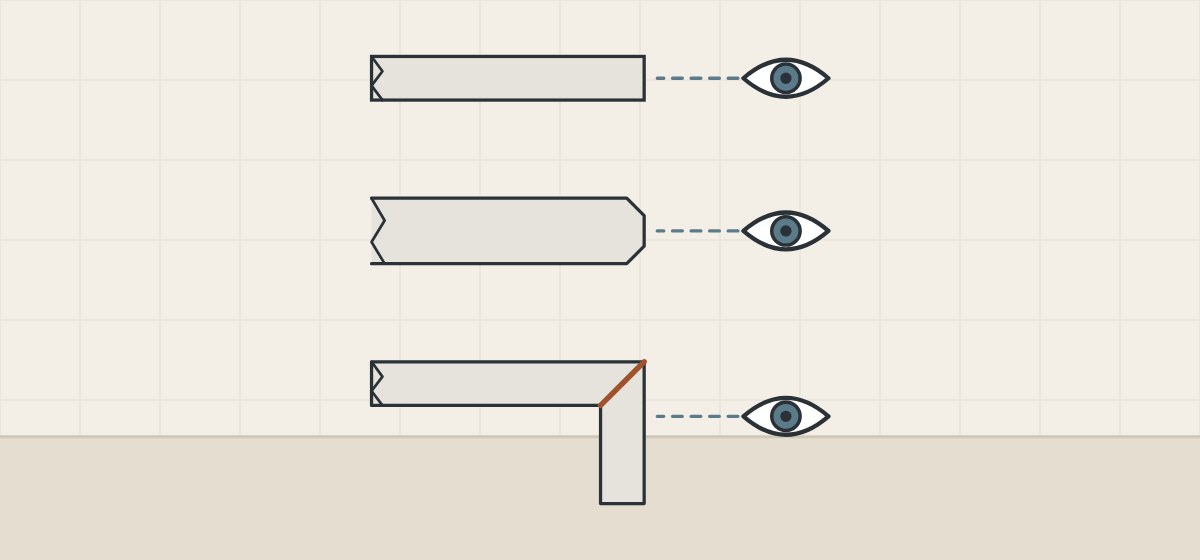
A straight edge shows the slab section; a mitered edge puts a second face in front of it.
Straight or flat edge
Laminam says the straight edge displays the slab edge; Crossville says the flat edge keeps the body edge visible. A through-body vein shows here.
Mitered edge
Daltile says mitering its 12mm slabs lets the pattern wrap and builds up the profile. Laminam describes continuous joints for panels taller than the slab thickness, basins and box structures, and says the solution is also used when graphic continuity is wanted on the front panel of the top.
Bevel or chamfer
Laminam and Crossville each add one; sizes are given above.
Profiled edges
SapienStone’s technical manual illustrates straight, 45°, rounded, concave and convex edges.
- Which edges are exposed
- Straight, mitered or profiled
- Bevel or chamfer size
- Slab thickness offered
What does a through-body claim not tell you?
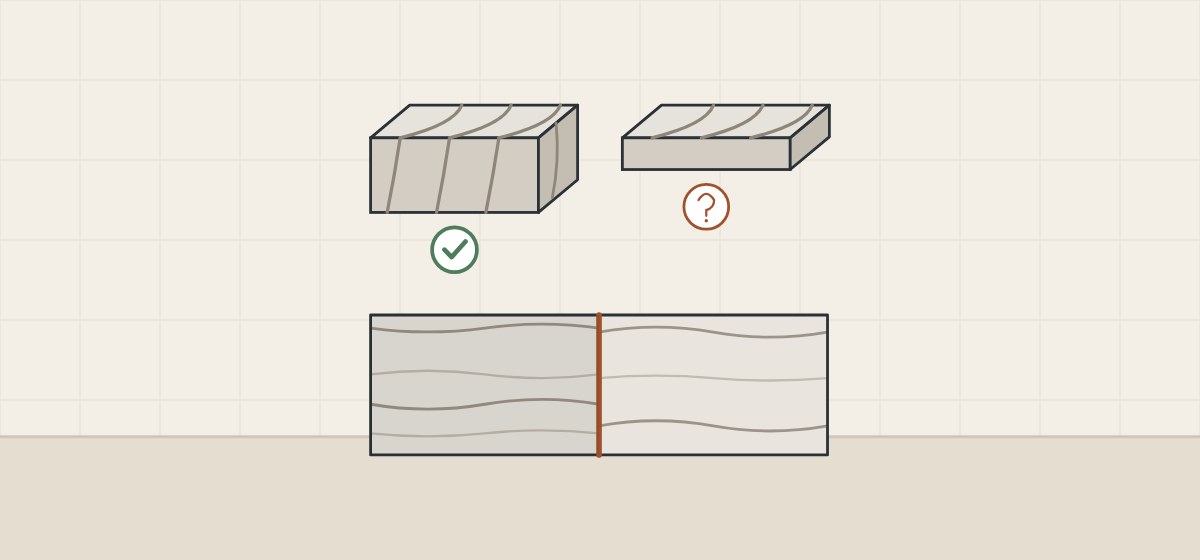
A through-body claim covers the named design, and for some makers a stated thickness. Four limits follow from the sources:
Other designs
SapienStone uses through veins on some designs; on all its other colors the base only matches the surface color.
Other thicknesses
Neolith lists both Iconic Design models in 20 mm. Daltile ties throughbody to its 2cm slabs, not its 12mm slabs.
An exact match
Atlas Plan says the body vein follows the surface decoration, which is why those slabs have random graphics. No source read gives a tolerance for that match.
Slab-to-slab variation
SapienStone says slight shading or tone variation on the top is not a defect. For finishes with non-uniform graphics or direction, Laminam advises dry fitting adjacent parts to check the final effect.
Neolith, Atlas Plan and SapienStone present the feature in terms of realism and edge appearance. For performance, TCNA says ANSI A137.3 (July 2022) describes minimum physical properties and grading procedures for gauged porcelain tiles and panels/slabs; its publication page lists strength criteria for thicknesses of 3.5 to 6.5 mm and of 20 mm and greater. Ask which standard and data sheet apply to the offered slab and thickness.
Do makers use the same words for it?
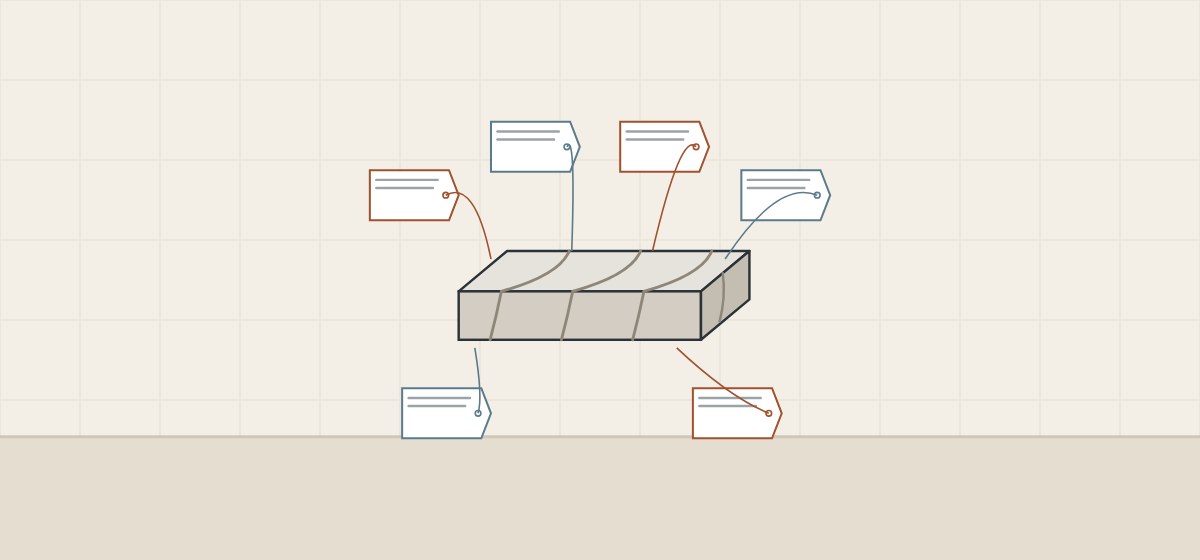
Each maker read for this guide uses its own term.
| Term and owner | Meaning given by the owner |
|---|---|
| Full-body veining (Neolith) | Design through the entire volume of the slab. |
| Through-body vein (Atlas Plan) | Vein pattern through the full thickness. |
| Through veins (SapienStone) | Surface pattern continued in the base. |
| IN-SIDE (Laminam) | Body and surface continuity after cutting, drilling and edging. |
| Throughbody (Daltile) | Veining through the entire slab. |
| 4D Ceramics (Iris Ceramica Group, in SapienStone’s manual) | A surface that looks the same on the face and in its thickness. |
How should a buyer approve a veined edge?
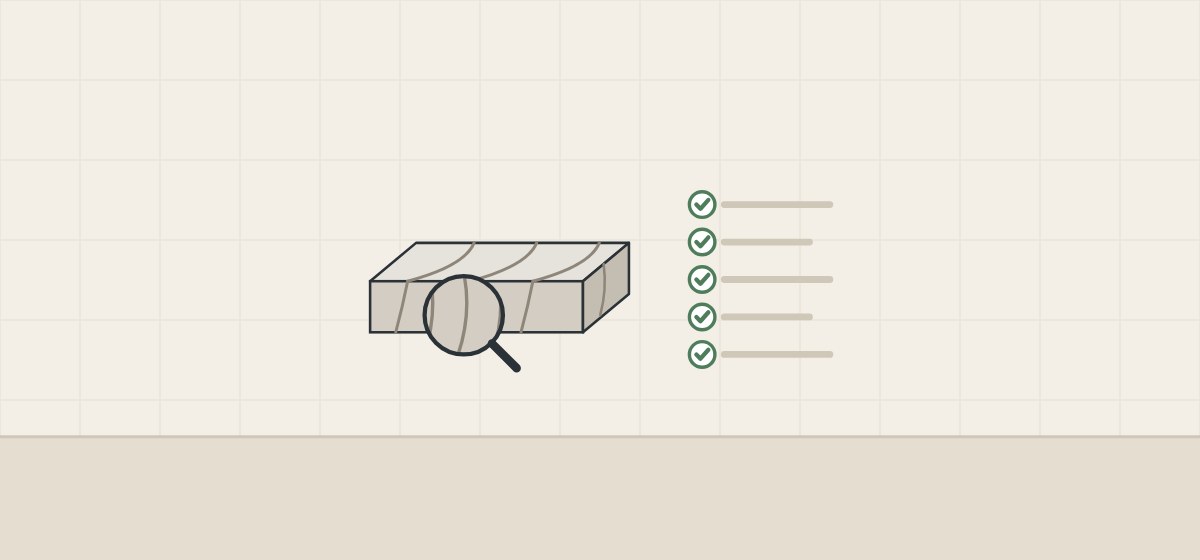
Approve the edge on a sample of the exact design. These steps are procurement guidance, not a fabrication instruction.
- Name the exact design. Maker, collection, color, thickness and finish.
- Ask how the vein is made. Through the thickness, or on the face with a colored body.
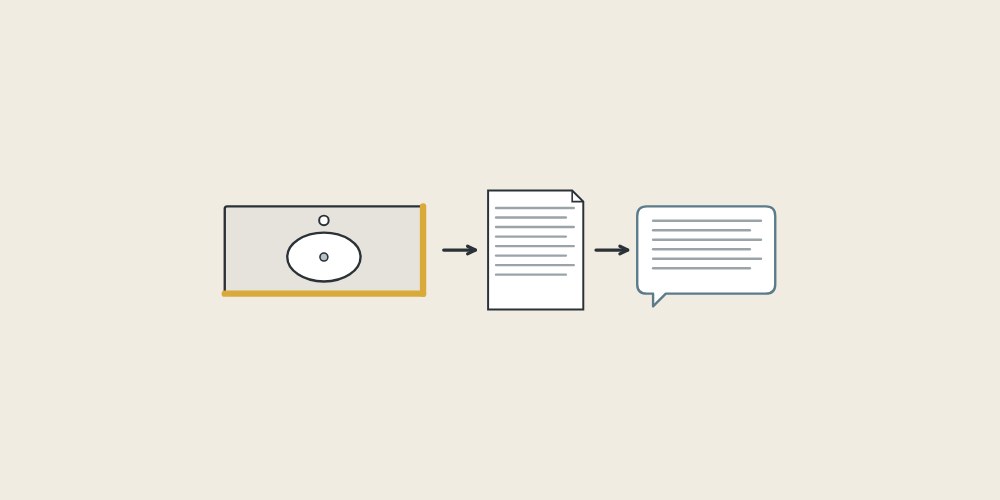
- Mark the exposed edges. Front, ends and cut-outs on the drawing, with the edge detail for each.
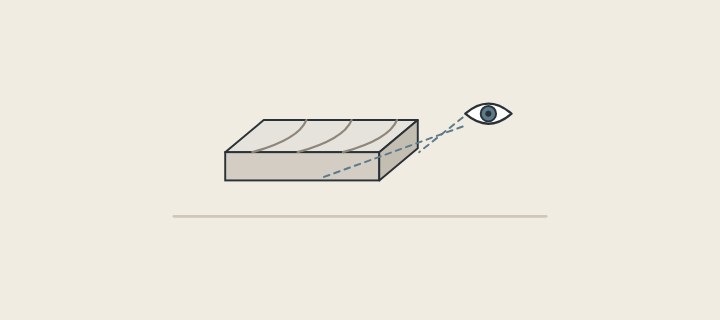
- Ask for a sample with a cut. The top face and a cut section of the offered design and thickness.
- Approve the finished edge. See the mitered or built-up detail, not only the raw cut.
- Recheck any substitute. A similar face can have a different body.
When a quote says “full body”
Ask whether it means a continuing vein or a matching body color; SapienStone lists them as separate cases.
What should you send and ask before a quotation?
Send the edge requirement with the drawing and ask about the slab by name.
| Question | Why it matters |
|---|---|
| Which maker, design and thickness is offered? | The makers read here tie the claim to named designs, and some to a thickness. |
| Does the vein run through the body? | Some designs only match the base color. |
| Which edge detail is proposed? | A straight edge shows the section; a miter covers it. |
| Can a cut-edge sample be supplied? | A photo of the face does not show the section. |
| What happens if the slab is substituted? | A similar face can hide a different body. |
Include with your request
- Top drawing with exposed edges marked
- Whether the vein must continue at the edge
- Edge profile and thickness wanted
- Quantity and project location
WNS Global confirms any offered top material, edge detail and commercial terms separately in writing. This guide does not state that WNS Global supplies any design named above, or that WNS Global products have through-body veining or meet any standard named here.