From visible face to approved sample
Which faces of a vanity top need approval beyond the top surface?
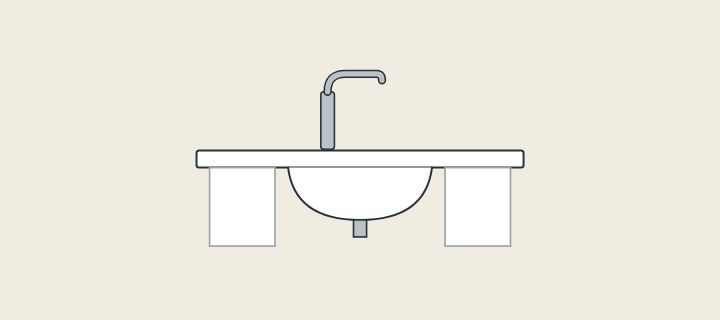
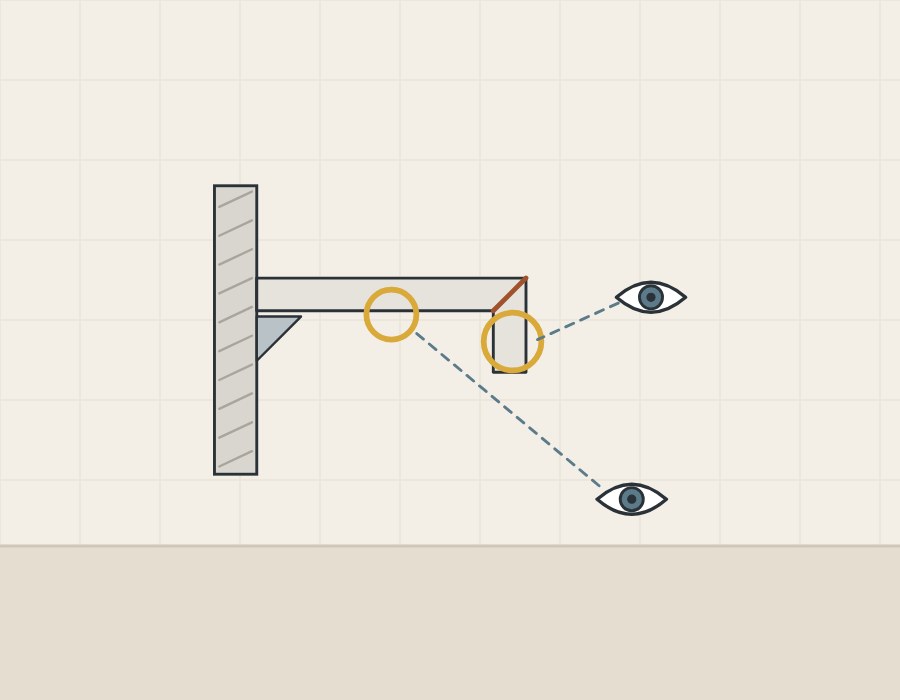
Every face seen after installation needs approval: the front edge, any open end, the apron or build-up, the underside of a floating top and any seam. The list is this guide’s own.
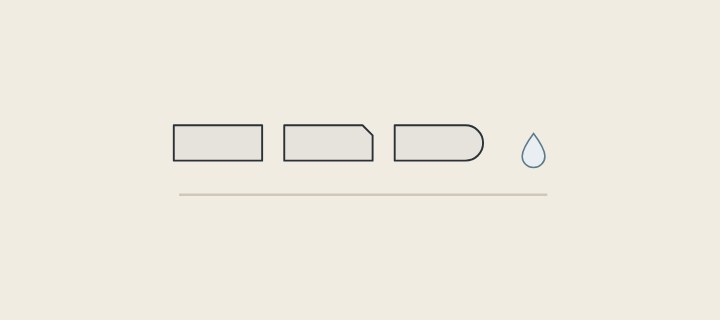
Caesarstone’s guide specification treats the edge as a choice to fill in, a profile in single or double layer thickness, and puts edge profiles on the shop drawings.
In the passages read for this guide, no maker says how an exposed underside should be finished. Laminam’s technical guide notes that its 12+ slab has a fiberglass mesh glued to the back. The buyer has to write that face into the order.
| Term | How the source uses it |
|---|---|
| Edge profile | Caesarstone lists square, bullnose, beveled and waterfall. |
| Stack edge | Corian: edge strips applied in layers. |
| V-groove | Corian: cut-and-fold, with hidden seams. |
| Miter fold | Wilsonart Quartz: completed at a true 45° angle. |
How is a thick-looking front edge built?
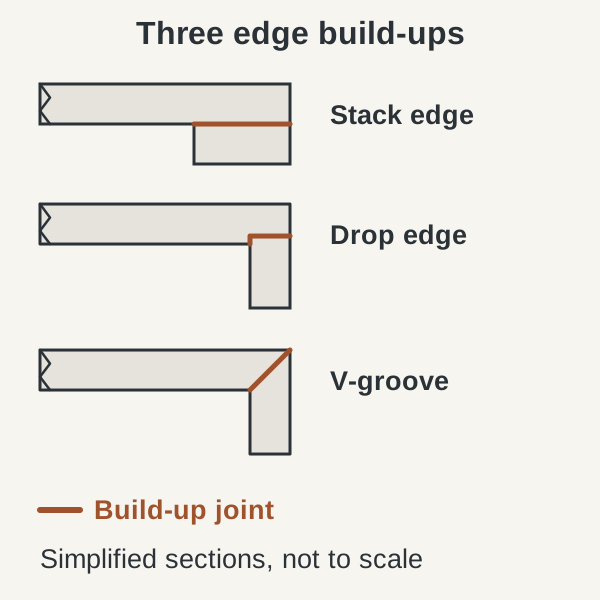
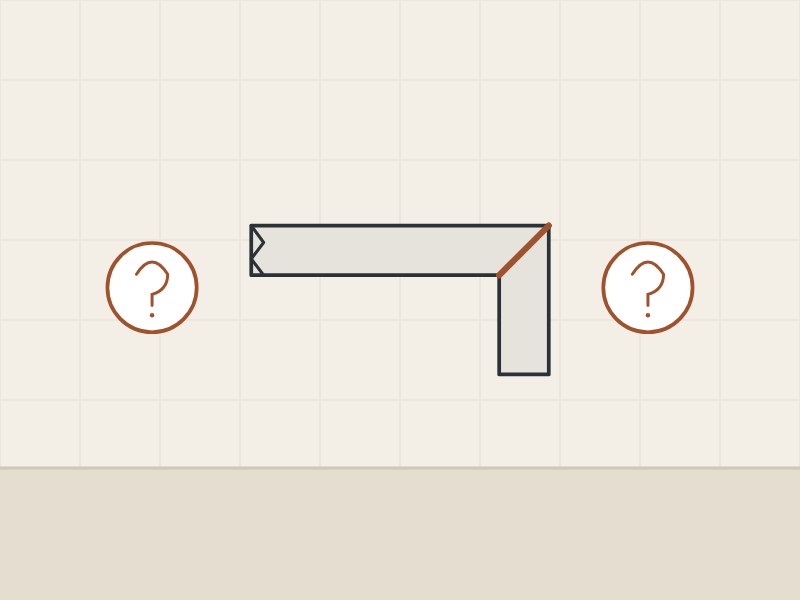
The solid surface manuals read here thicken the front by adding strips at the edge or by grooving and folding the sheet. This outline combines Corian’s bulletin, Wilsonart’s solid surface guidelines and the HIMACS drop-edge chapter.
- For a stack or drop edge, strips are cut first; for the drop edge Corian specifies material color-matched to the sheet.
- The strips are layered under the edge (stack) or set against a rabbet routed in the underside (drop, Corian). A V-groove instead cuts and folds the sheet.
- The build-up is trimmed flush.
- The requested edge profile is routed.
- The edge is sanded and polished.
Corian adds that buildup seams must not align with countertop seams, with at least 2 in (51 mm) between them.
Which edge build-up suits which color or pattern?
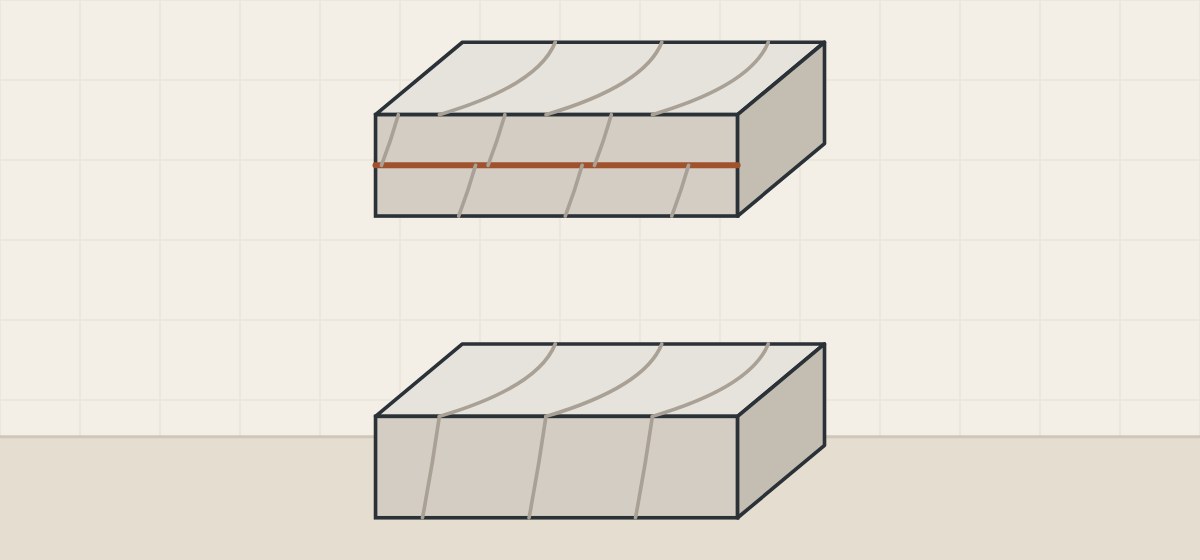
A build-up can change the pattern at the edge. Each row is the maker’s statement about its own solid surface.
| Build-up | What the maker says |
|---|---|
| Stack edge, Corian | Generally suits solid, small and medium particle colors; veined, metallic and mica colors look different on the edge. |
| Drop edge, Corian | Generally suits the same colors; veined, metallic and mica may not be suitable. |
| V-groove, Corian | Veining or metallic and mica effects can continue around the edge. |
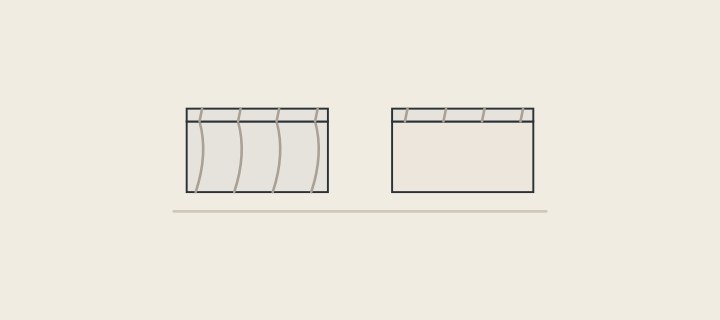
| Stacked edge, Wilsonart | Creates a different veining pattern from surface to edge. |
| V-groove or miter fold, Wilsonart | Called most desirable: the pattern flows from top to edge. |
| V-groove, HIMACS | Effective for concealing color variation in certain veined or glitter shades. |
Corian also notes that large particle colors may show banding in a stack edge.
What radius or bevel do makers state for edges?
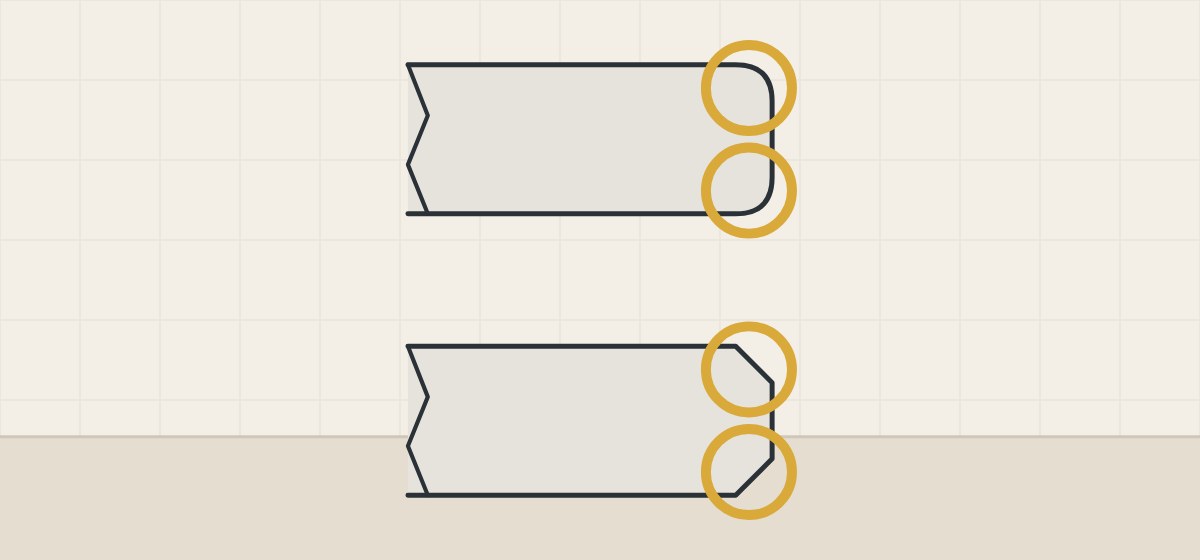
The three documents below ask for or suggest a small radius, chamfer or bevel on the edge. Each figure stays with its own material.
| Document | Where | What it states |
|---|---|---|
| Wilsonart Quartz guidelines | Top and bottom of edge profiles | Minimum 1/16 in (1.58 mm) radius or chamfer recommended. |
| Corian Quartz fundamentals | Top and bottom of straight edge profiles | Ease to a minimum 1/16 in (1.5 mm) radius or chamfer. |
| Laminam technical guide | Edge of its 12+ and 20+ slabs | Suggests a bevel of at least 2 mm against accidental impact. |
Two of these rows name the bottom edge as well as the top.
What do makers say about matte, honed and polished finishes?

The three makers below tie the finish to maintenance.
Corian solid surface
The finishing bulletin says most lighter countertops should be matte for easy maintenance, and that matte on darker colors may be prone to showing oils from hand contact.
Wilsonart solid surface
Matte is called suitable in most cases on light colors. On dark colors Wilsonart does not recommend matte and calls satin suitable in most cases, with more care. Gloss is recommended for vertical surfaces only.
Caesarstone
The guide specification notes that honed, concrete and rough finishes require more cleaning than its polished finishes.
- Finish name as the maker writes it
- Color, and whether it is light or dark
- Each face that takes the finish
- Lighting used for the review
Can a cut edge match the factory surface?
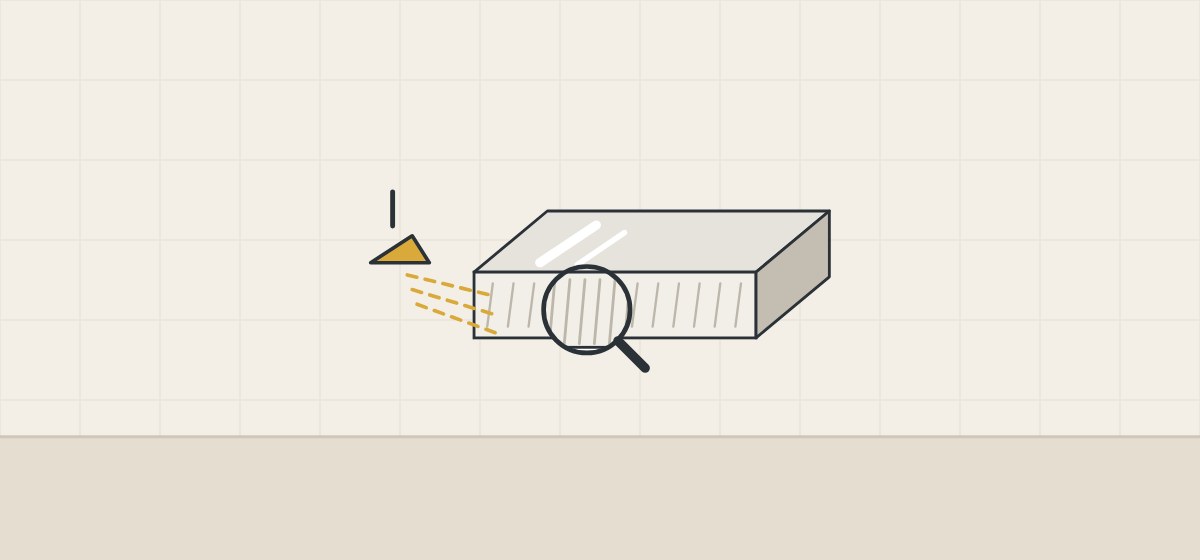
Not always: Corian Quartz states that its factory finish cannot be replicated at the edge. Three statements, each about the maker’s own material:
Corian Quartz
The aim is a complementary finish that matches the surface in shade, compared when the edge is completely dry.
Wilsonart Quartz
Wilsonart Quartz tells fabricators not to re-polish, hone or seal the factory face; edges are polished through a sequence of diamond pads.
Laminam
If requested, an edge can be polished with increasingly fine diamond wheels. The guide read here does not say whether the polished edge matches the face.
Corian’s finishing bulletin says large light sources such as windows highlight imperfections in a finish, and uses low-angle lighting to check for a uniform finish during sanding. Caesarstone’s specification has adjacent pieces inspected for color match in lighting similar to the jobsite.
Where can seams go, and how tight should they be?
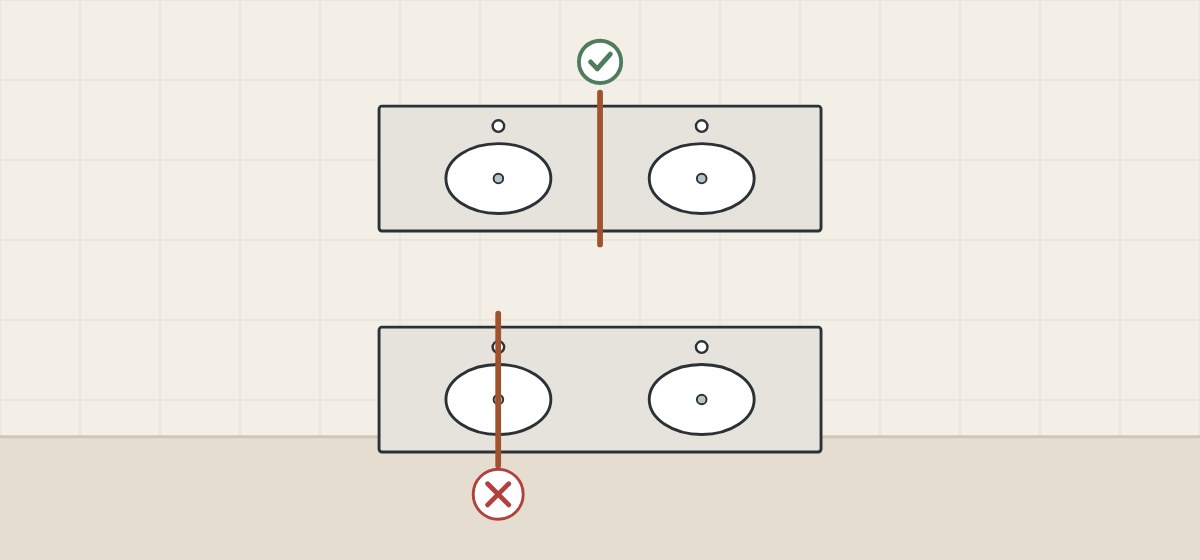
It depends on the material: the documents below that give figures each set their own seam positions or widths.
| Source | What it says |
|---|---|
| Wilsonart Quartz (2015 guidelines) | Width not over 1/16 in (1.58 mm), 1/32 in preferred; at least 1 in from inside corners. |
| Corian Quartz | Width under 1/16 in (1.5 mm); height mismatch under 1/64 in (0.4 mm). |
| Cambria SOP 9.3.3 | Width not over 1/32 in, subject to level and straight cabinets and walls; field seams design-matched with seaming adhesive. |
| HIMACS job plan | Never over a cut-out; at least 100 mm from a sink or other cut-out. |
| Corian seaming bulletin | Tight, well prepared seams are inconspicuous, except for select sheet aesthetics. |
| ISFA 2-01 (2013) | Inconspicuous seaming allows built-up edges in a variety of thicknesses. |
How should a buyer schedule and approve the exposed faces?
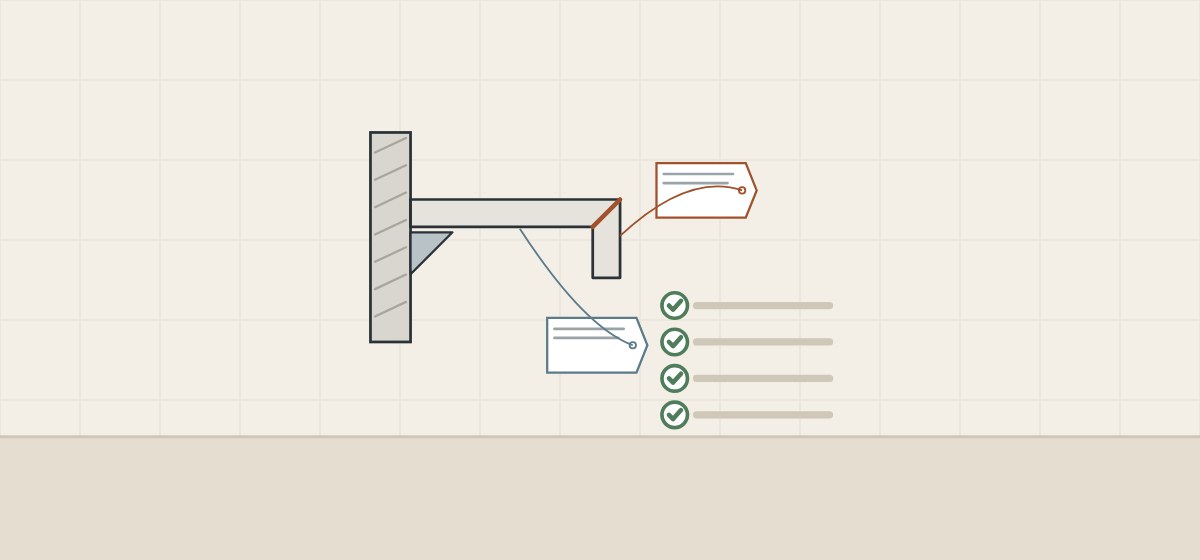
Schedule every visible face on the drawing, then approve a corner sample. The steps are this guide’s own guidance, not a maker’s procedure.
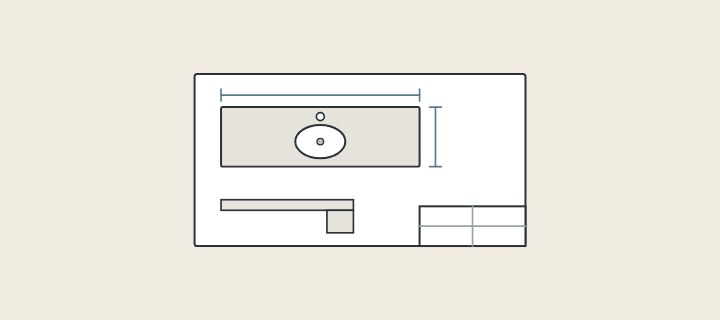
- Map the sightlines. Per room type, mark the front edge, open ends, underside and exposed cut-out edges.
- Choose the edge build. Stacked, drop or V-groove/mitered, checked against the color.
- Name the finish per face. List open ends and visible undersides one by one.
- Record the edge easing. Radius or bevel, top and bottom, from the maker’s document.
- Place the seams. Show every seam and build-up joint; move any that crosses a bowl.
- Handle the wall side. Show the scribe allowance or the backsplash.
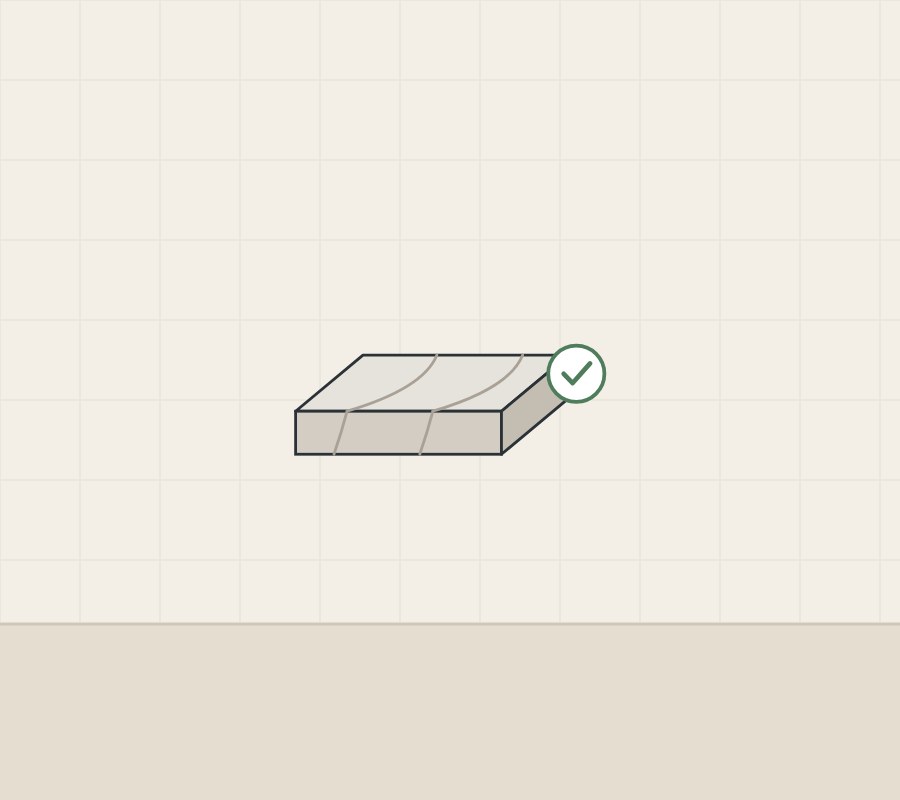
- Approve a corner sample. Top, edge and one finished end together, compared dry under low-angle light.
What each piece of evidence shows
Edge sections on the drawing fix the build, seams and finish scope, not that production follows them. A corner sample shows how faces match in sheen, not a full-length seam. Photographs of the first production top show that unit only. Caesarstone’s guide specification asks for a sample cut and seamed to show the seaming technique.
What should you send and ask before a quotation?

A complete request describes the top as it will be seen.
| Question | Why it matters |
|---|---|
| Which faces are visible in each room type? | Open ends and undersides differ by layout. |
| How is the front edge built? | The build-up can change the pattern at the edge. |
| Which finish goes on each exposed face? | Corian Quartz says its edge finish only complements the factory face. |
| Is the underside of a floating top finished? | The makers’ passages read here do not say how it is finished. |
| Where do seams and build-up joints fall? | The documents that give figures each set their own. |
| Which radius or bevel is on each edge? | The documents read state minimums for their own materials. |
Include with your request
- Room types, and which ends are open
- Material, color and finish name
- Edge profile and visible thickness
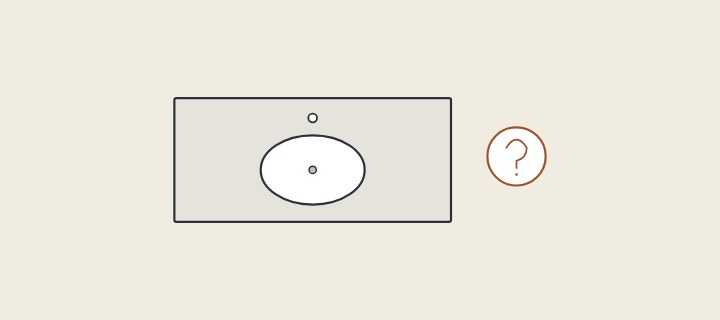
- Top lengths and basin positions
- Quantity per room type
WNS Global confirms any offered top, edge build, finish and commercial terms separately in writing. This guide does not state that WNS Global products have the edge details, finishes or tolerances named above.