From part names to spares
Which seals and profiles does a shower enclosure have?
Several, each with its own name. Roman’s corner enclosure manual lists wall profiles, a corner seal, a hinge side seal, a bottom rail and a deflector seal as separate items.
The National Glass Association’s frameless shower manual says polycarbonate wipes and seals may be used to help minimize water escape.
| Term | How the sources use it |
|---|---|
| Magnetic seal | Bohle: the magnet gives secure interlocking and makes closing easier. |
| Bulb seal | CRL: with magnetic seals, closes the door or fills gaps along door edges. |
| Jamb seal | CRL: 90-degree, 135-degree and 180-degree versions. |
| Deflector seal | Roman: bottom seal with an angled deflector. |
| U-channel | NGA: one way to attach a fixed panel; clamps are the other. |
| Header | NGA: at the top of some frameless showers, for stability. |
Where does each seal sit on the enclosure?
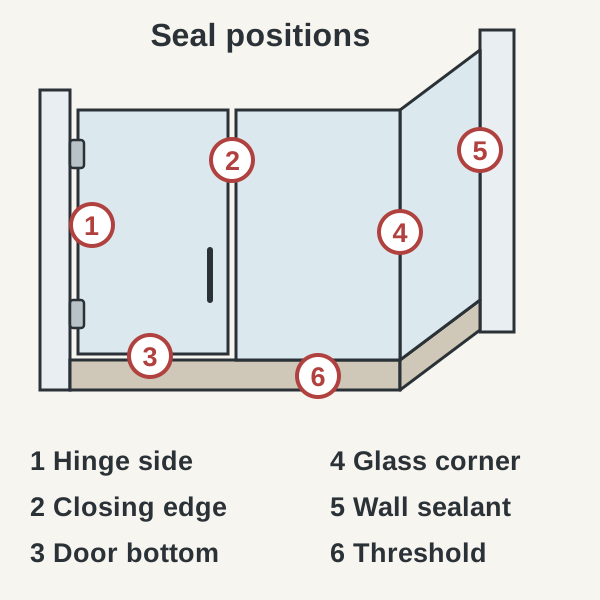
The makers below fit a different seal at each position, and sealant at the wall. The list combines documents from Roman, DreamLine and Kohler; each describes one product.
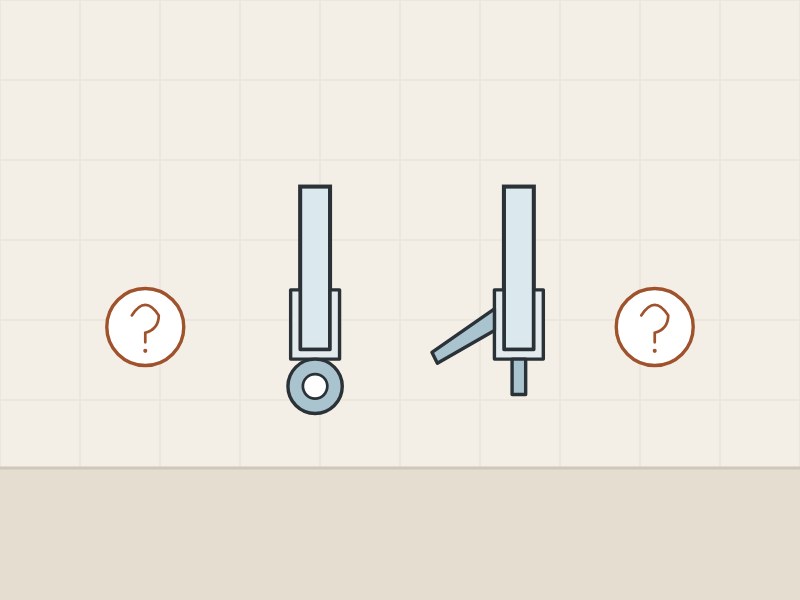
- Hinge side: Roman fits a vertical seal with its flipper on the inside of the door.
- Closing edge: DreamLine’s PRIME puts magnetic seals on the door glass; its ENIGMA-XO uses a bulb seal there.
- Door bottom: Kohler’s pivot door has a water deflector with its fin facing the inside of the shower.
- Glass corner: Roman fits a corner seal on the leading edge of the side panel.
- Wall: Roman’s wall profiles are sealed with sealant, inside and outside, where they meet the tiled wall.
- Threshold: on Kohler’s pivot door, a wedge seal is pushed between the fixed-panel glass and the threshold.
Roman’s manual warns that a deflector facing the wrong way may make the enclosure leak. Record which way each seal faces on the approved sample.
What are shower seals made of?
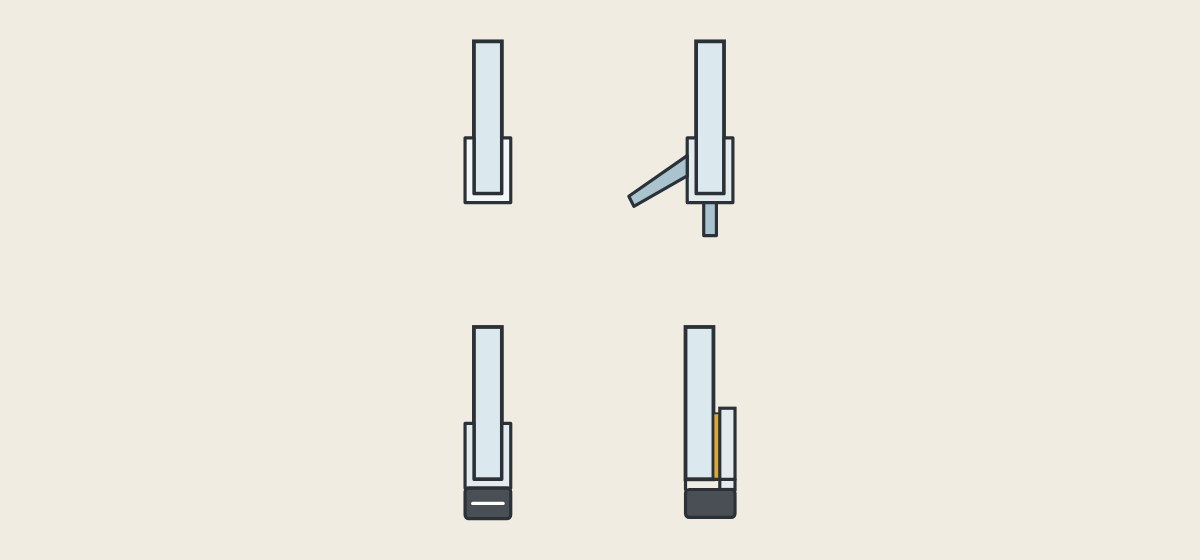
The sources cited here name three plastics: vinyl, PVC and polycarbonate. None names silicone rubber as a seal material.
| Source | Material and form |
|---|---|
| CRL seals page | Frameless shower door seals: vinyl and polycarbonate. |
| NGA manual | Extruded polycarbonates: self-adhesive or slip-over. |
| Bohle bottom seal | PVC with a soft sealing lip and a rigid clamping part; push-on. |
| Bohle self-adhesive seal | PVC with a magnet; self-adhesive. |
| DreamLine parts lists | Seals are listed as vinyl seals. |
Bohle describes its bottom seal as highly transparent, with high durability and UV resistance. That is its description of one product, not a test result.
Does a seal depend on glass thickness?
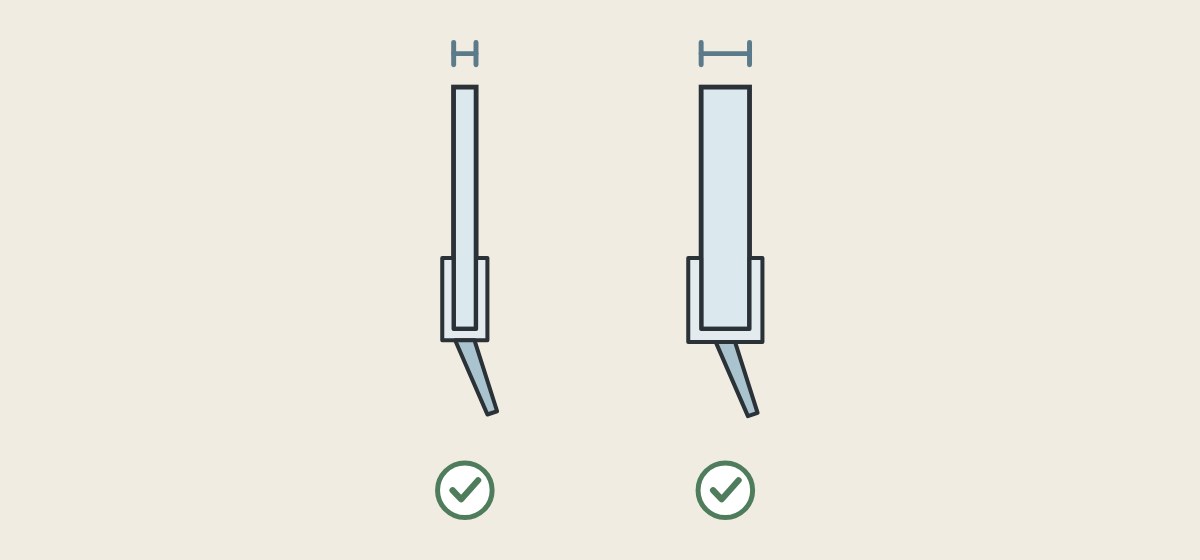
Yes, on the makers’ own pages: each seal below is stated for a glass thickness or range. The NGA manual says frameless enclosures typically use 3/8-inch or 1/2-inch safety glass.
| Part | Source | Stated for |
|---|---|---|
| Bottom seal with deflector | Bohle BO5213490 | 6–8 mm; also offered for 10–12 mm |
| Magnetic seal pair, push-on | Bohle BO5281035 | 6–8 mm |
| Magnetic seal pair, self-adhesive | Bohle BK69250 | 8–12 mm |
| Magnetic strike vinyl; vinyl seal with fin; push-in glazing vinyl | DreamLine PRIME | 6 mm (1/4 in) |
| Replacement bath screen seals | Roman spares page | 4, 6, 8 and 10 mm |
| Interior hinge shims | Kohler pivot door | None at 5/16 in, one at 3/8 in, two at 1/2 in |
The NGA manual says to decide on seals before glass sizes are generated: an enclosure with seals generally needs different glass size deductions.
What finish do aluminium profiles carry?
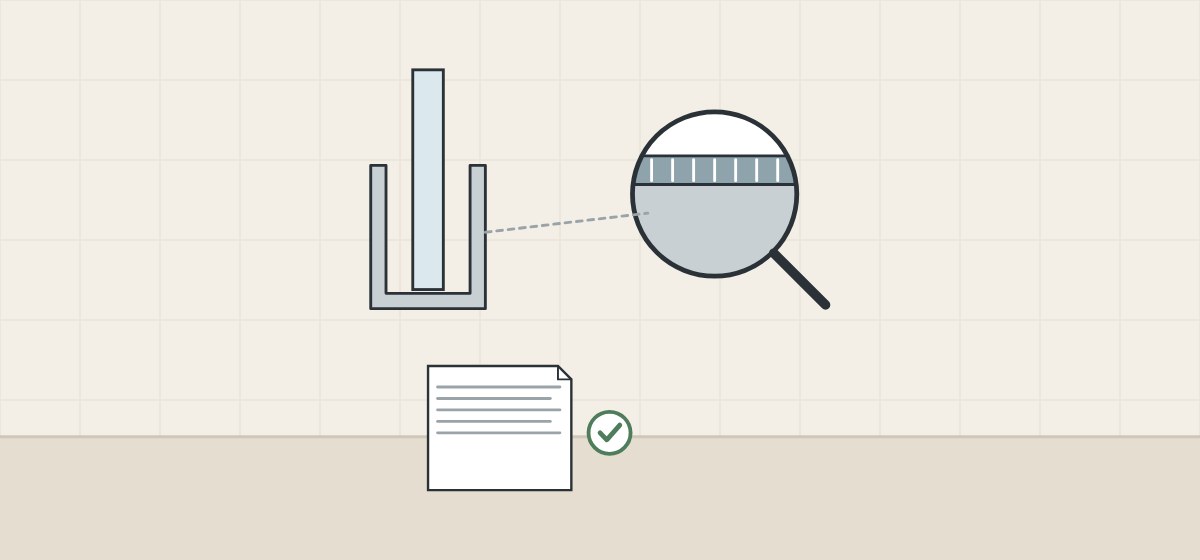
An anodized one, in Agalite’s account: aluminium is anodized to give colour and shine, and other colours are probably powder coated. No maker cited here states a class or coating thickness for its shower profiles. Four points follow, then the AAC’s list of what to state when specifying.
Anodizing
The Aluminum Anodizers Council’s specifying page describes it as controlled electrochemical oxidation of the aluminium surface. Agalite says it guards against corrosion and pitting.
Coating classes
The AAC lists Architectural Class II, a 0.4 to 0.7 mil coating (about 10 to 18 micrometres by conversion), as recommended for interior architectural use, and Class I, 0.7 mil and thicker, as used primarily for exterior building products.
AAMA 611
FGIA’s store page says AAMA 611-26 sets test procedures and requirements for architectural quality aluminium oxide coatings on extrusions and panels.
Qualanod
Qualanod lists coating thickness, sealing quality and light fastness among its criteria for architectural anodizing.
- Alloy and temper
- Mechanical finish, if any
- Chemical finish before anodizing
- Anodic oxide type
Will the profiles match the hinges and handles?
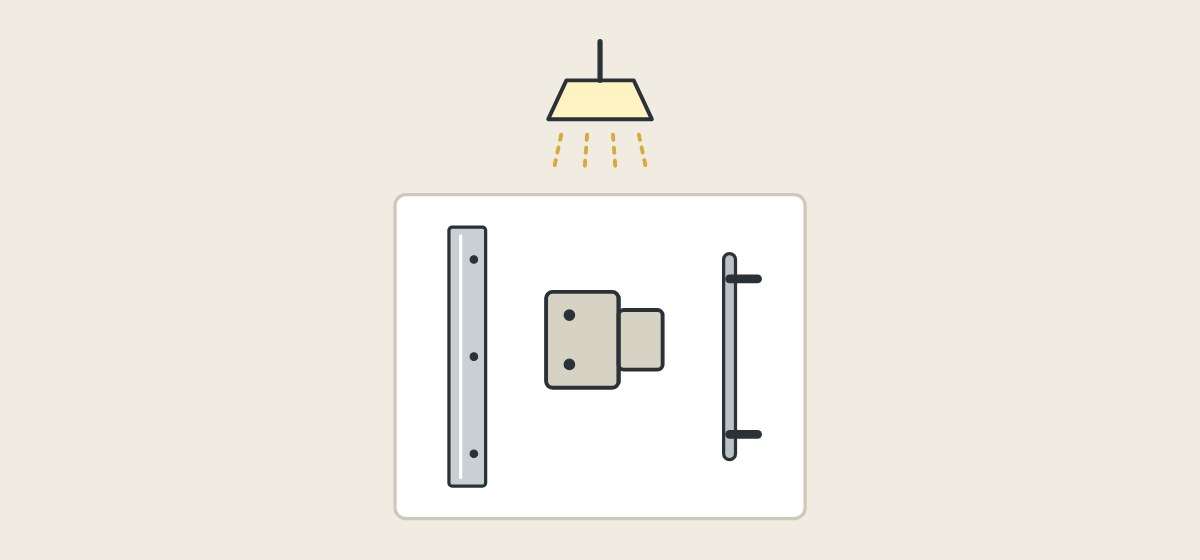
The sources cited here do not promise it. They describe different metals and finishing processes on one enclosure. Four points:
Different metals
The NGA manual says hinges are typically solid brass or stainless steel, while headers are most often aluminium or brass.
Different processes
Agalite says most silver, gold, brushed nickel or satin silver metal components of a shower door are anodized aluminium or electroplated brass or stainless steel.
Alloy changes the look
The AAC says each alloy or alloy series yields a different appearance, even when anodized identically.
Check the box
The NGA manual tells installers to look inside the hardware boxes to verify the finish, because the box is not always correct.
Finish also governs care. Roman’s FAQ page says abrasive cleaners, bleach or solvents will adversely affect the finish of its aluminium profiles.
Which seals wear, and how are replacements identified?
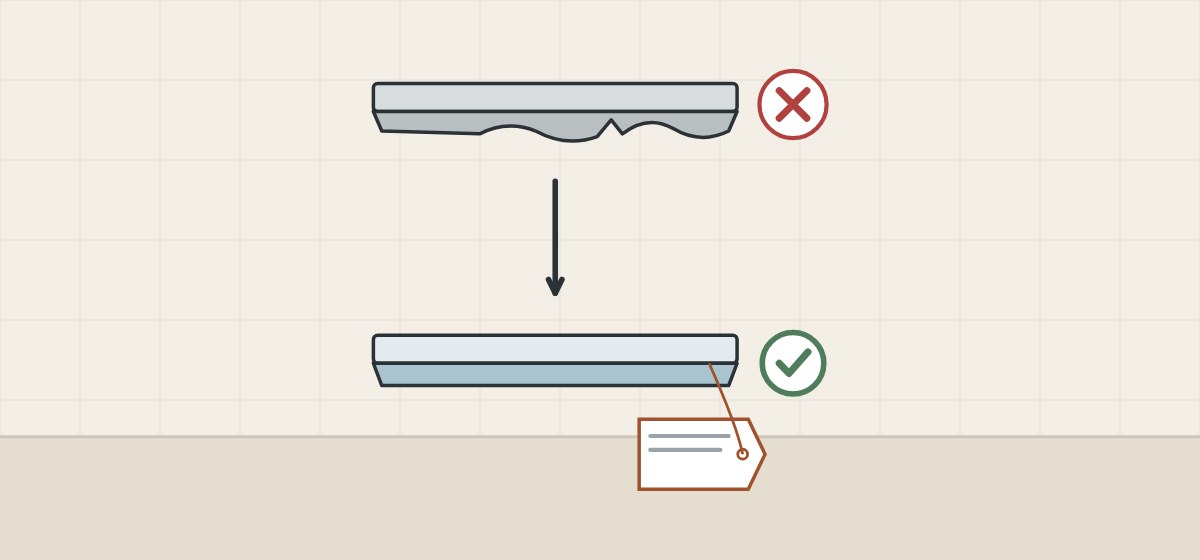
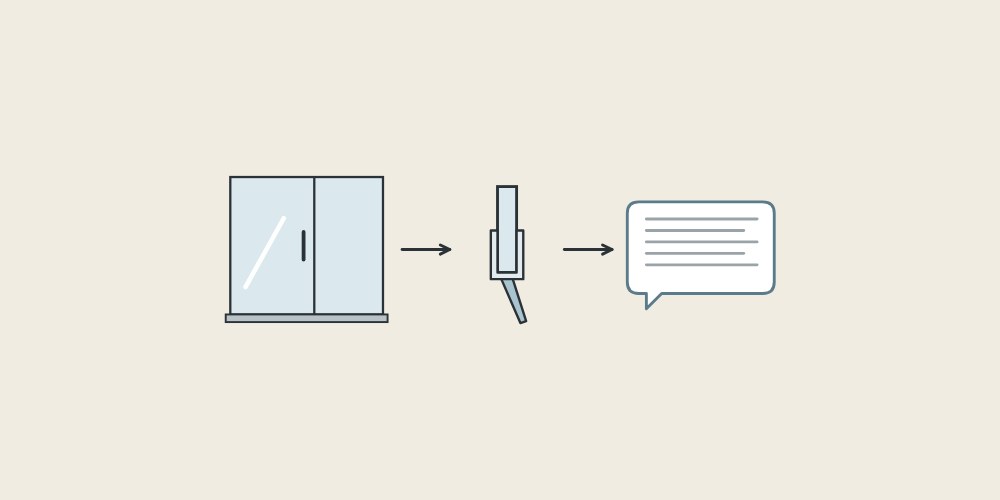
Agalite names polycarbonate seals and door sweeps as items that may need replacing with age and wear. The makers below identify replacements by part number, glass thickness or range.
| Source | What it says |
|---|---|
| DreamLine PRIME | Maintenance checklist: inspect and replace damaged or missing vinyl seals. The parts list gives each seal a factory part number. |
| DreamLine ENIGMA-XO | The bulb vinyl seal and the vertical vinyl seal are listed with factory part numbers. |
| Roman spares page | Bath screen seals by glass thickness; shower door seals by named range; magnet seals. |
| Kohler service part | Bottom seal for its pivot doors, sold as K-GP1409389. |
How should a buyer approve seals and profiles on a sample?
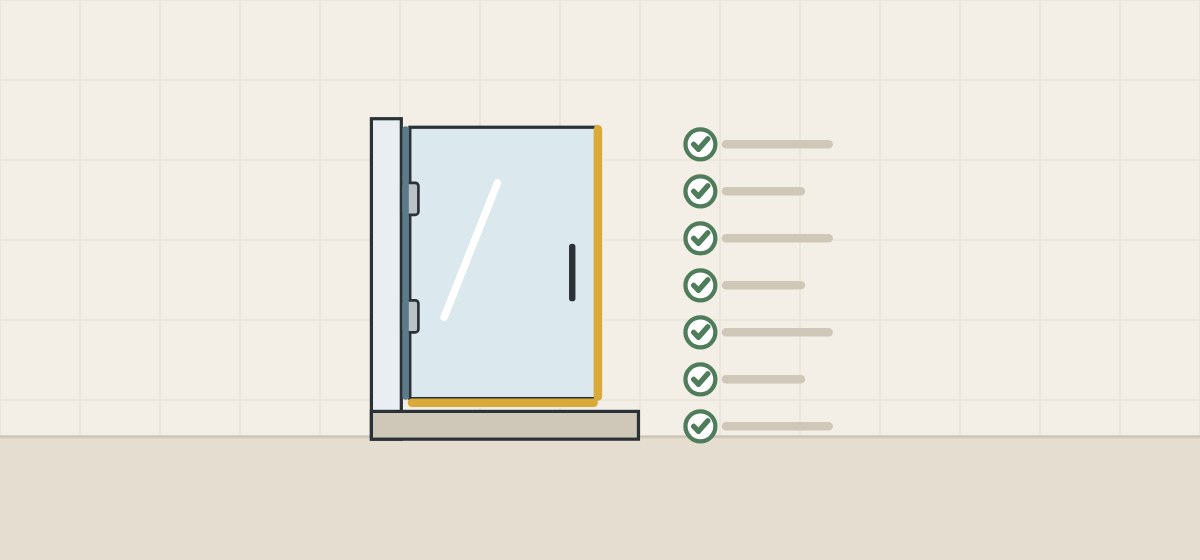
Approve them as named components, per configuration. These steps are procurement guidance.
- List seals by position. Hinge side, closing edge, door bottom, glass joints, wall and threshold.
- Match each seal to the glass. Record the glass thickness and the thickness each seal is made for.
- Record material and direction. Plastic, push-on or self-adhesive, and which way the lip or deflector faces.
- Compare finishes together. Profiles beside hinges and handles, under the same light.
- Check contact on an assembled unit. Door closes without forcing; magnets meet along their length; ends are cut square.
- Record identifiers. Part number, section drawing or a labelled sample piece for every seal and profile.
- Control changes. A different seal section or profile finish on a reorder needs approval first.
Decisions that cause callbacks
Four decisions to avoid: seals left out of the approval; a generic replacement bought without the identifier; profile and hinge finishes approved from separate samples; a factory assembly taken as proof of site performance.
What should you ask for before a quotation?

Ask for small, physical evidence. Each item shows one thing and leaves another open.
| Evidence | What it shows | What it does not show |
|---|---|---|
| Labelled piece of each seal and profile | Section, material, finish | Service life |
| Section drawing or part number per configuration | What to reorder | That production parts match |
| Profile beside hinge and handle | Finish match in that light | Finish durability |
| Video of each door closing | Seal contact on that unit | Water containment on site |
| Spares list with identifiers | Which spares ship with the order | Whether the quantity is enough |
Include with your request
- Configuration drawing per room type
- Glass thickness per panel
- Hardware finish reference
- Spare seals per configuration
- Care products the operator uses
WNS Global confirms any offered enclosure, seal set, profile finish and commercial terms separately in writing. This guide does not state that WNS Global products have the seal materials, glass thicknesses, coating classes or part numbers named above.